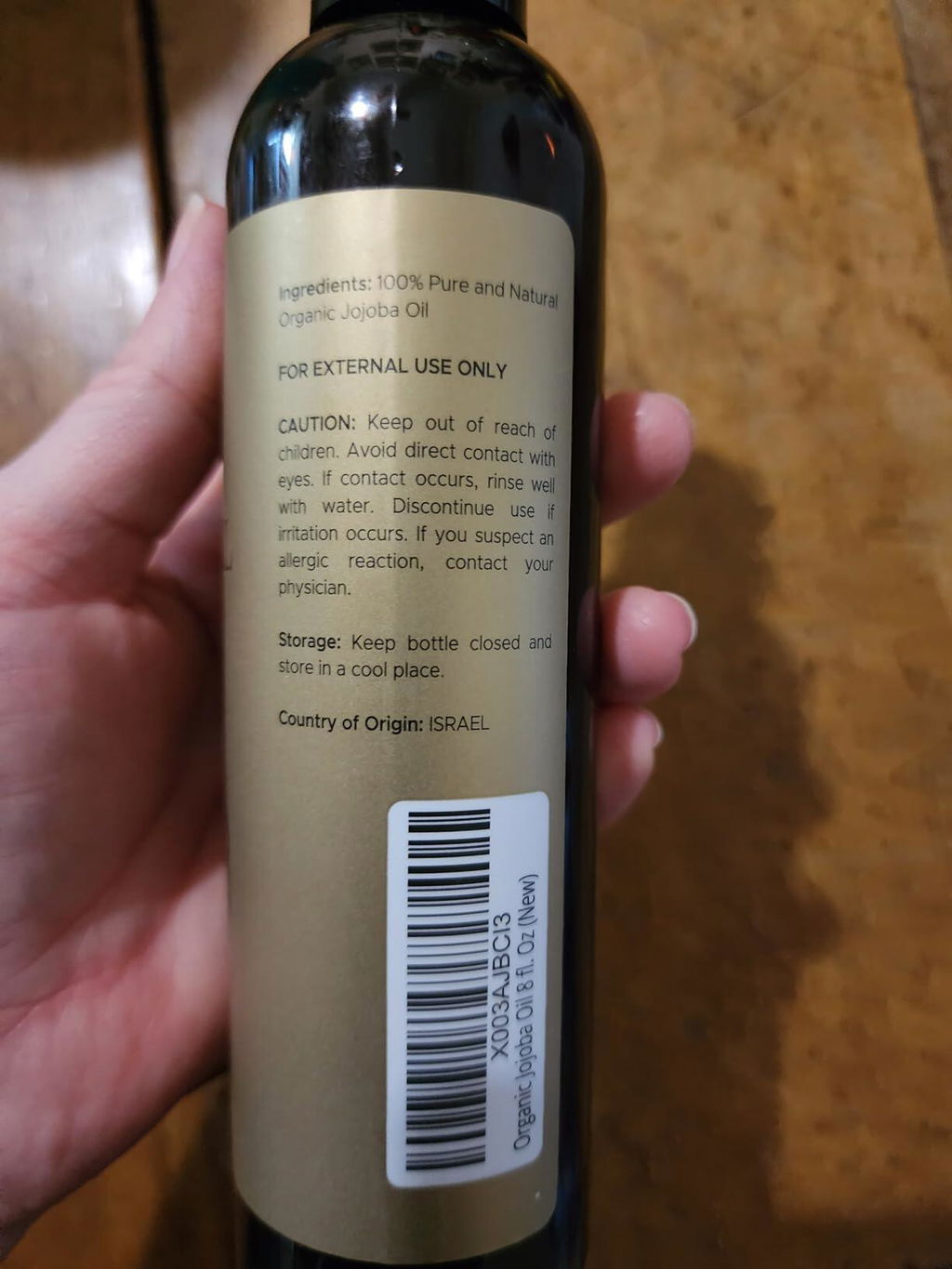



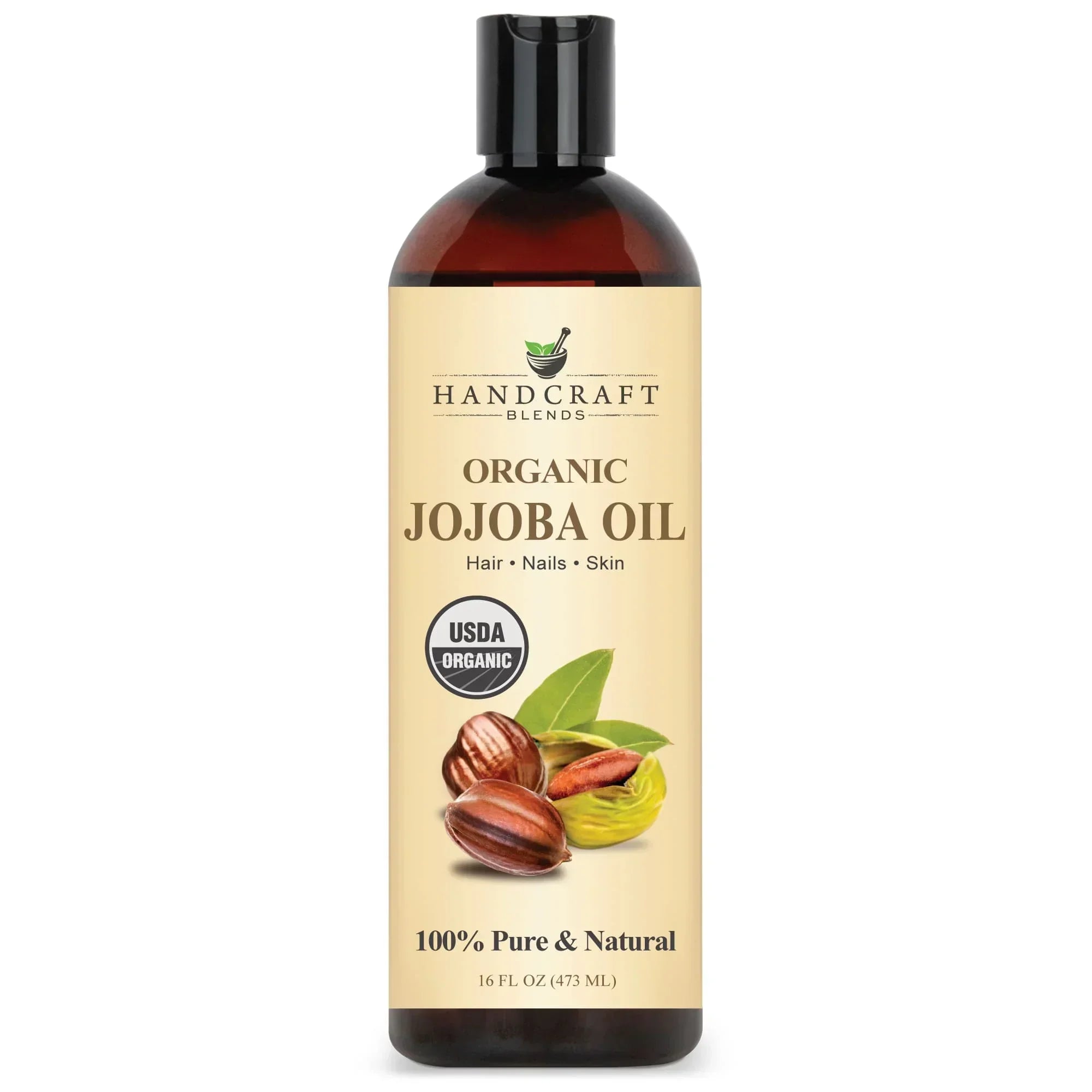
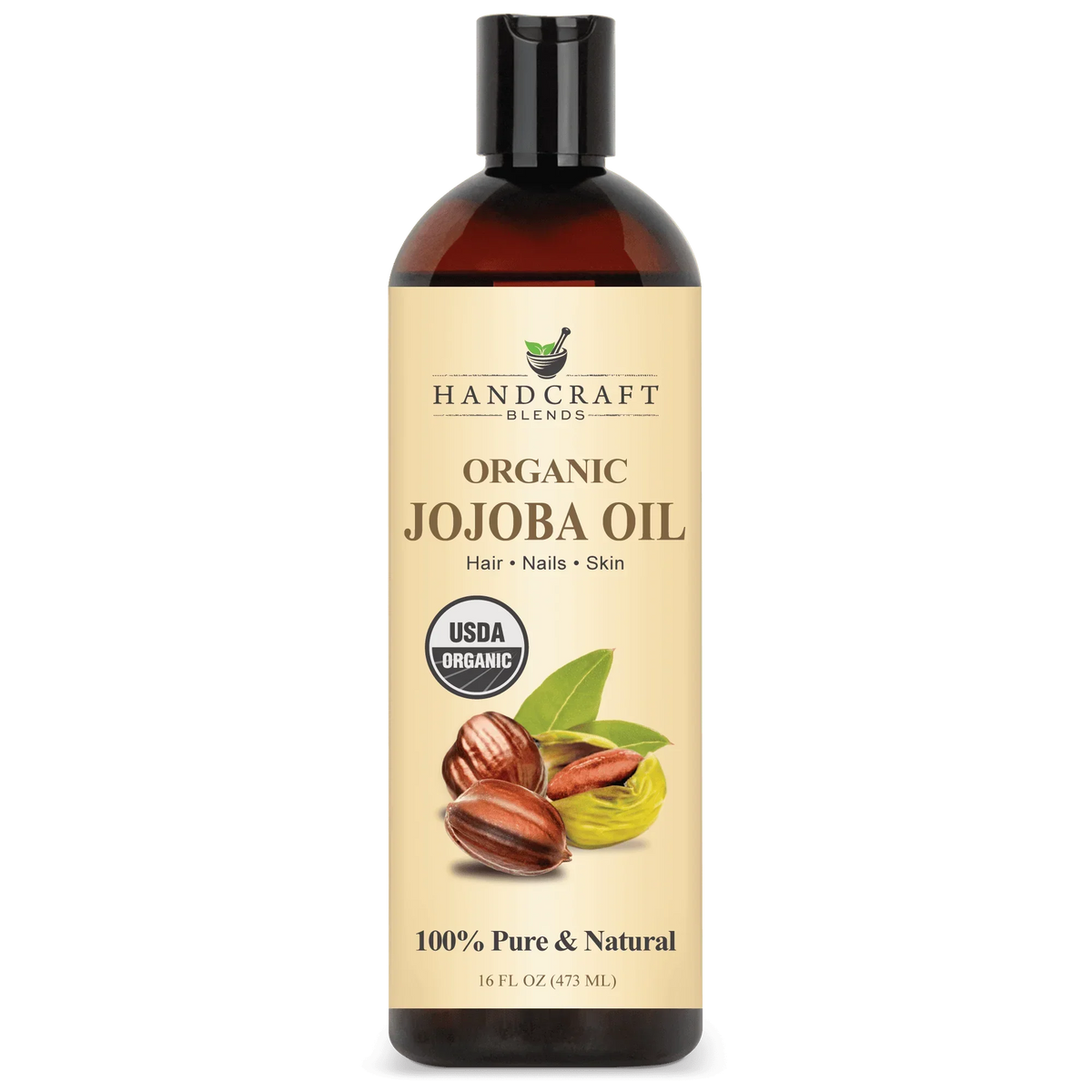
Organic Jojoba Carrier Oil
- Regular price
-
$18.99 - Regular price
-
$25.99 - Sale price
-
$18.99
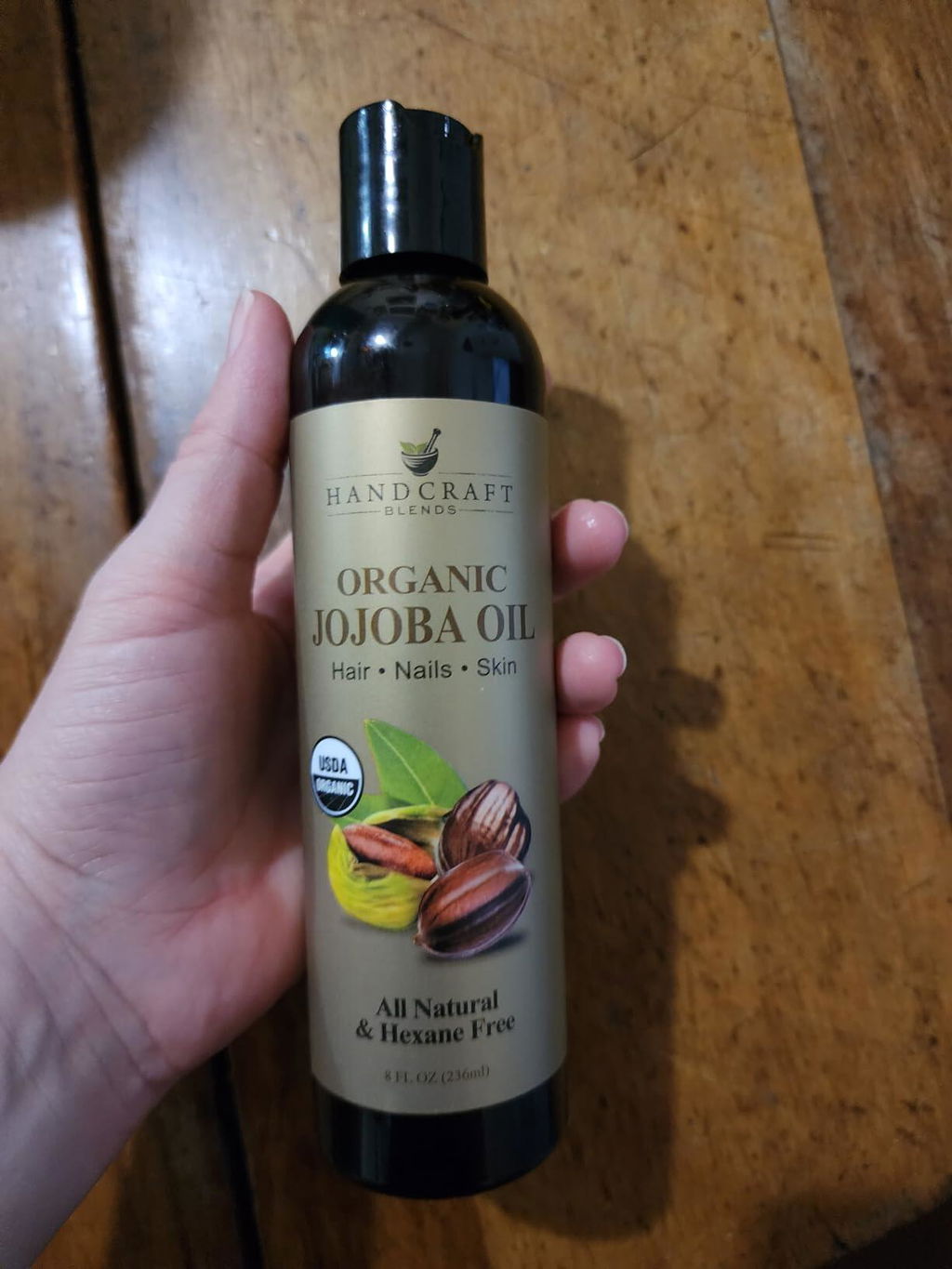
Smooth balancing oil that feels incredibly gentle on skin, a popular choice for facial care and scalp routines, and an excellent carrier for massage oils & essential oil blends.
Couldn't load pickup availability
 Free delivery on orders over $25
 30 days money-back guarantee


Description
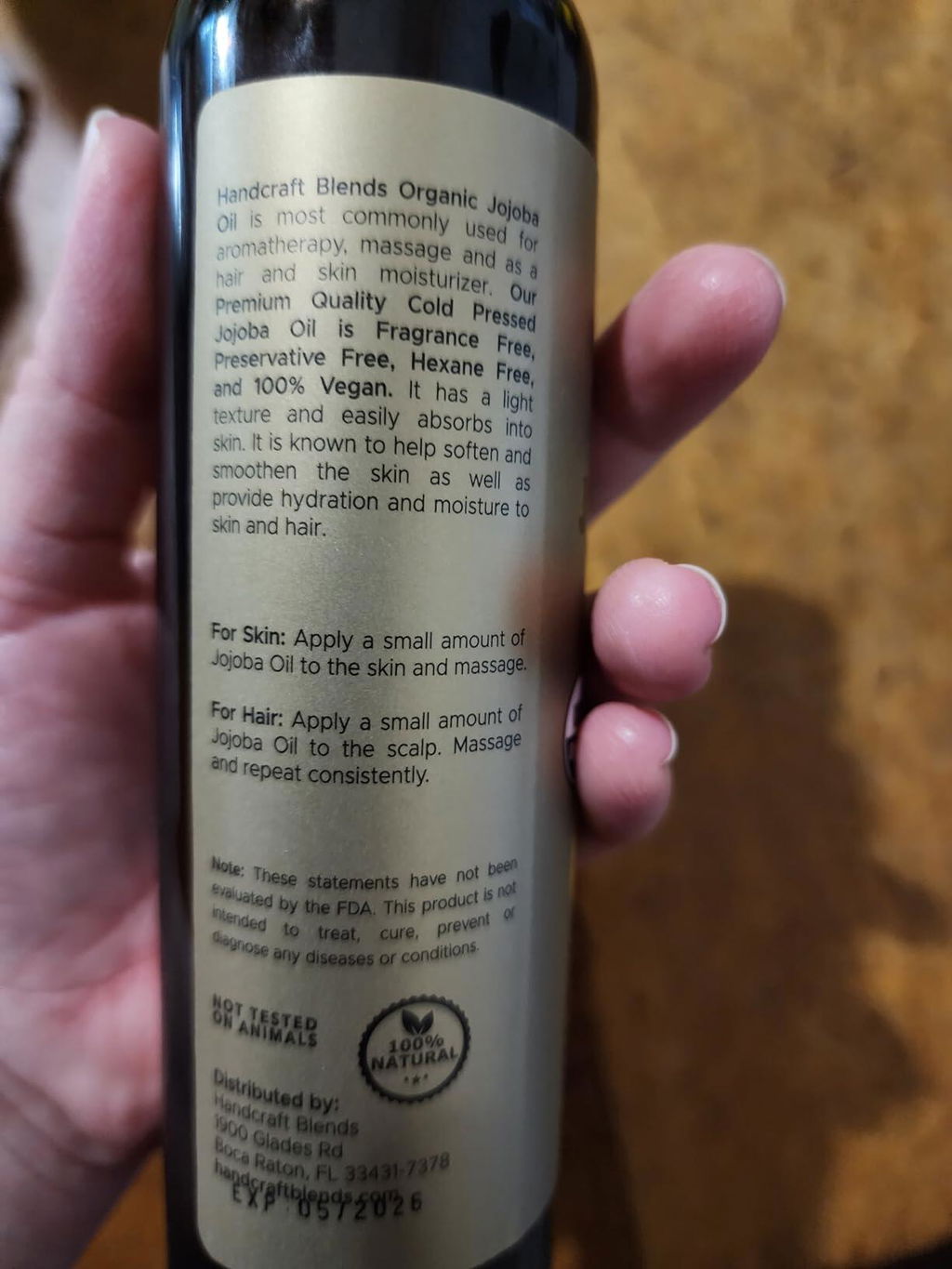
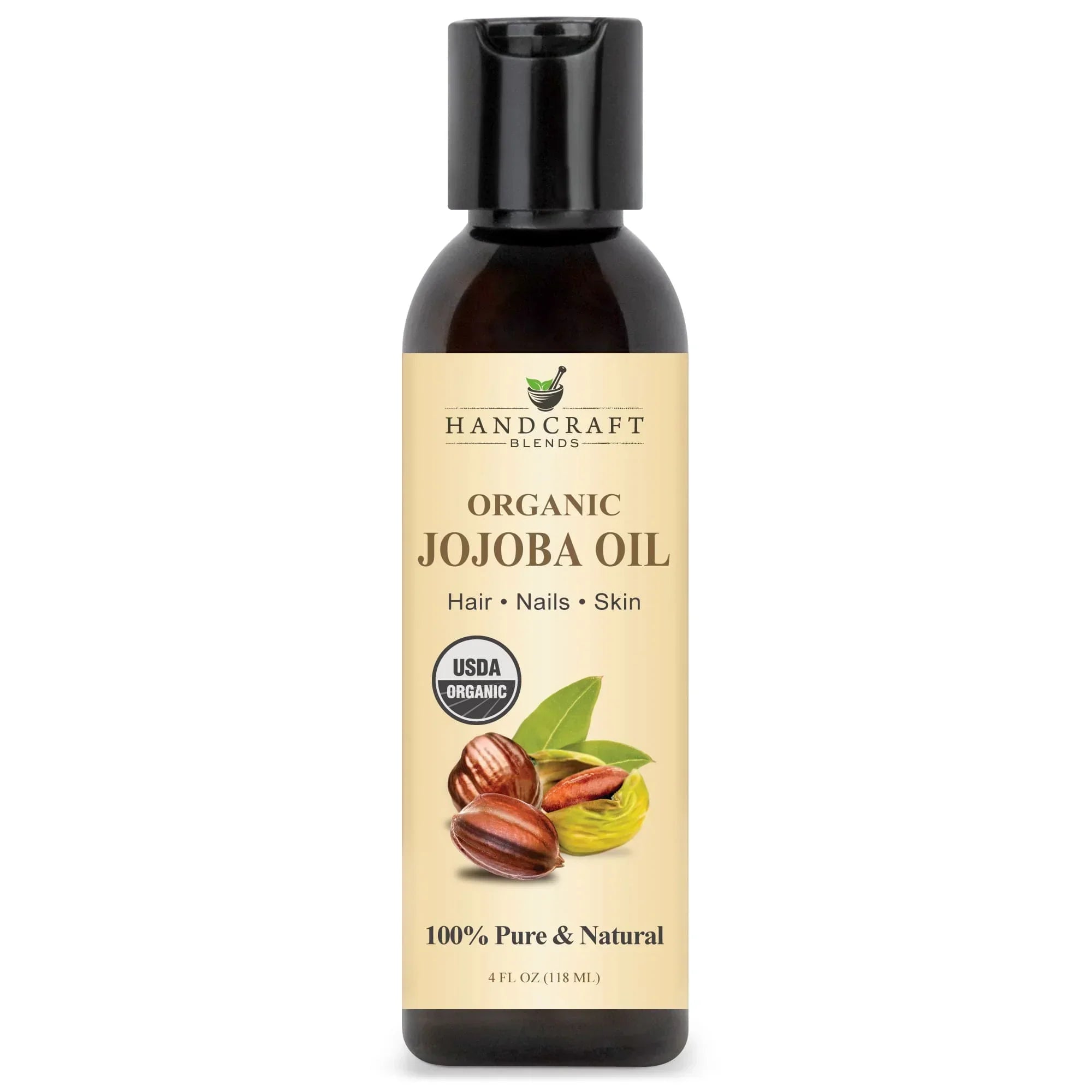
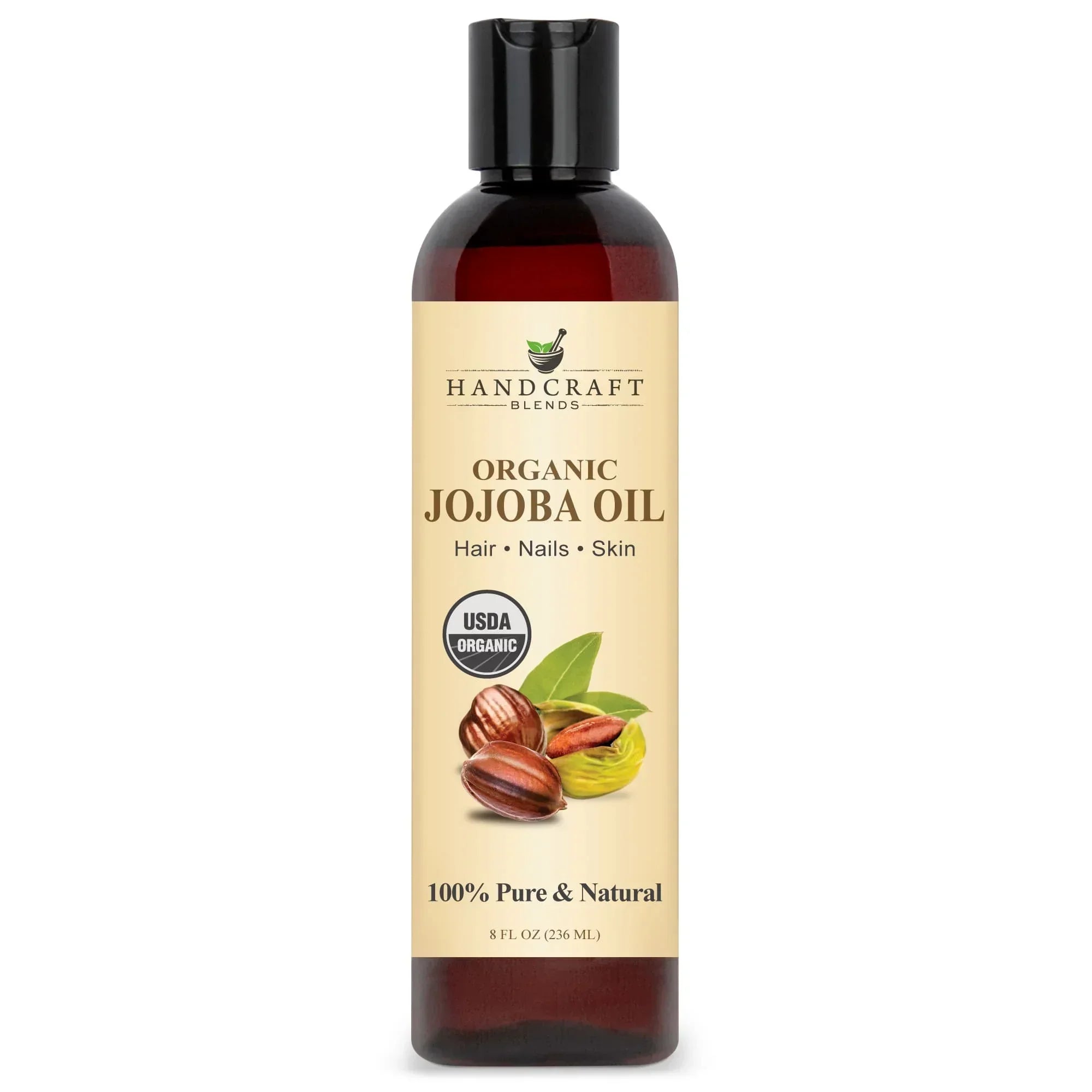
Handcraft Blends Organic Jojoba Carrier Oil is a USDA Organic, single-ingredient botanical oil for simple skin, hair, scalp, body, nail, and cuticle care. Cold pressed and naturally lightweight, it spreads easily and leaves the applied area feeling soft and conditioned without an unnecessarily heavy finish.
USDA Organic Jojoba Oil for Minimalist Beauty Care
This organic jojoba oil keeps beauty care simple with one certified-organic ingredient. Apply a few drops directly to the skin, use it as part of a pre-wash hair routine, or incorporate it into a personalized massage or beauty-oil blend.
Its fluid consistency makes it easy to control the amount used across smaller areas such as the face, hair ends, nails, and cuticles, as well as broader body-care applications.
Benefits of Organic Jojoba Carrier Oil
- USDA Organic single-oil formula – Made for routines that prioritize certified-organic botanical ingredients.
- Lightweight skin moisture – Leaves skin feeling soft, smooth, and moisturized without an overly heavy finish.
- Conditioning hair care – Helps dry-feeling mid-lengths and ends feel softer and more manageable.
- Suitable for scalp massage – Its fluid texture is easy to distribute as part of a pre-wash scalp routine.
- Nail and cuticle care – A small amount leaves the cuticles feeling conditioned and the nails looking well cared for.
- Versatile carrier base – Can be used alone or combined with other carrier oils and appropriately diluted essential oils.
Organic Jojoba Oil for Face & Body
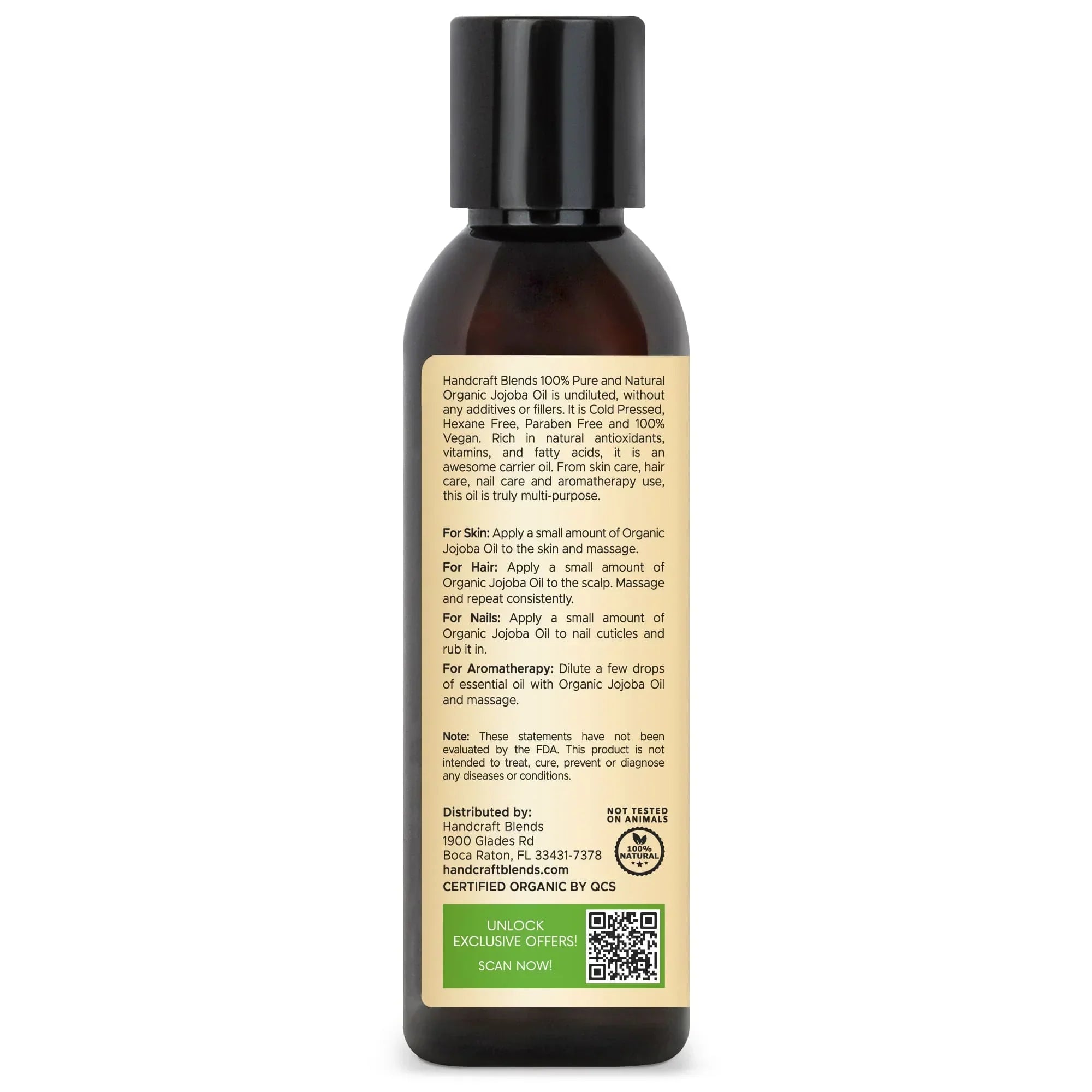
Massage a few drops into clean skin or apply the oil after showering while the skin is still slightly damp. Start with a small amount and add more only where needed.
For facial application, place one or two drops on the fingertips and distribute them evenly. For body care, warm a small amount between the palms before applying it to dry-feeling areas or using it as a lightweight massage oil.
Organic Jojoba Oil for Hair & Scalp
For hair care, smooth a minimal amount over the mid-lengths and ends or apply it before washing. Begin with one or two drops to avoid placing more oil on the hair than necessary.
For a pre-shampoo scalp routine, divide the hair into sections, apply a controlled amount, and massage gently with the fingertips. Shampoo thoroughly afterward.
Organic Jojoba Oil for Nails & Cuticles
Apply one drop around the nails and massage it gently over the cuticles. The lightweight consistency makes it easy to incorporate into a regular hand-care routine without coating the entire hand in oil.
Use as an Organic Carrier Oil
Organic Jojoba Carrier Oil can be used as the main base in personalized body oils, massage blends, roll-ons, and other compatible DIY cosmetic formulas. Combine it with a richer oil such as castor, avocado, or macadamia oil when a more substantial texture is preferred.
When adding essential oils for topical cosmetic use, follow an appropriate dilution for the specific essential oil, intended user, and application area. Patch test the completed blend before broader use, and never apply an undiluted essential oil directly to the skin.
Why Choose USDA Organic Jojoba Oil?
Choose this version when USDA Organic certification is an important part of your ingredient preferences. It provides the lightweight feel and versatility associated with jojoba oil in a certified-organic, single-ingredient format.
If organic certification is not a priority, standard Jojoba Carrier Oil can be used for the same types of cosmetic applications. Select this version when you specifically want a USDA Organic jojoba oil.
Product Details
- Botanical name: Simmondsia chinensis
- Method: Cold Pressed
- Organic certification: USDA Organic
- Texture: Lightweight, smooth, and fluid
- Used for: Face · Skin · Hair · Scalp · Body · Nails · Cuticles · Massage · DIY beauty blends
Warning: For external use only. Avoid contact with eyes. Patch test before first use. Discontinue use if discomfort occurs.
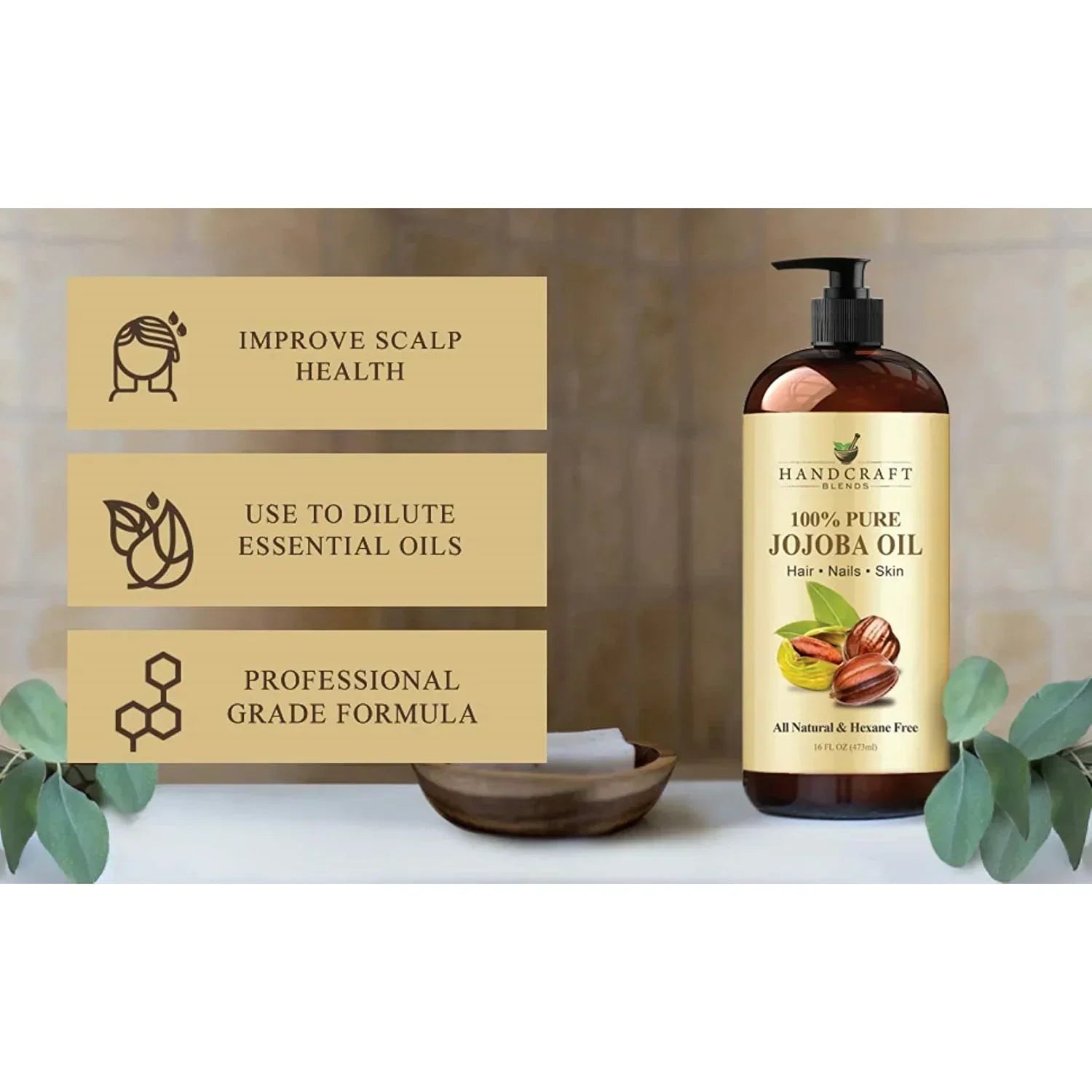
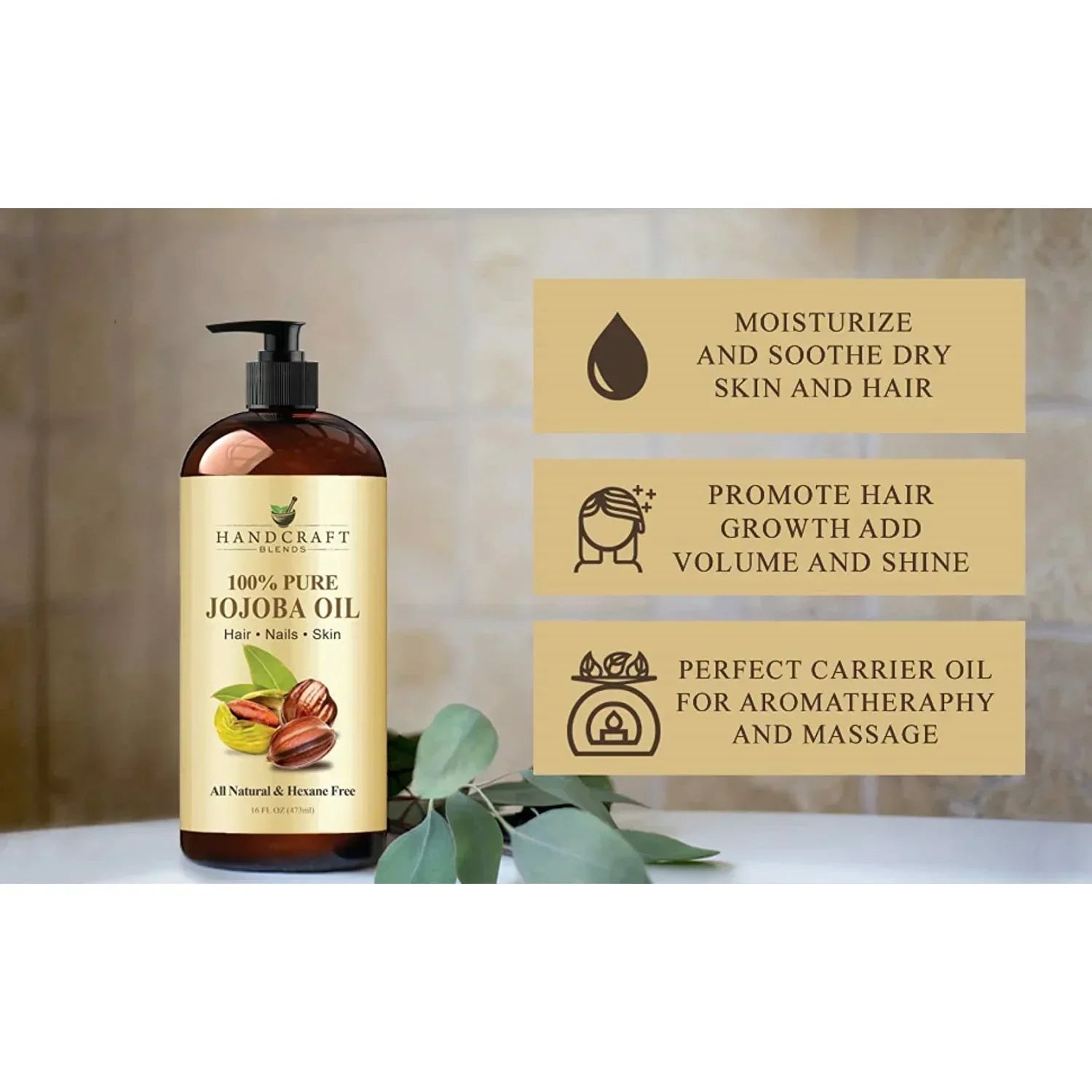
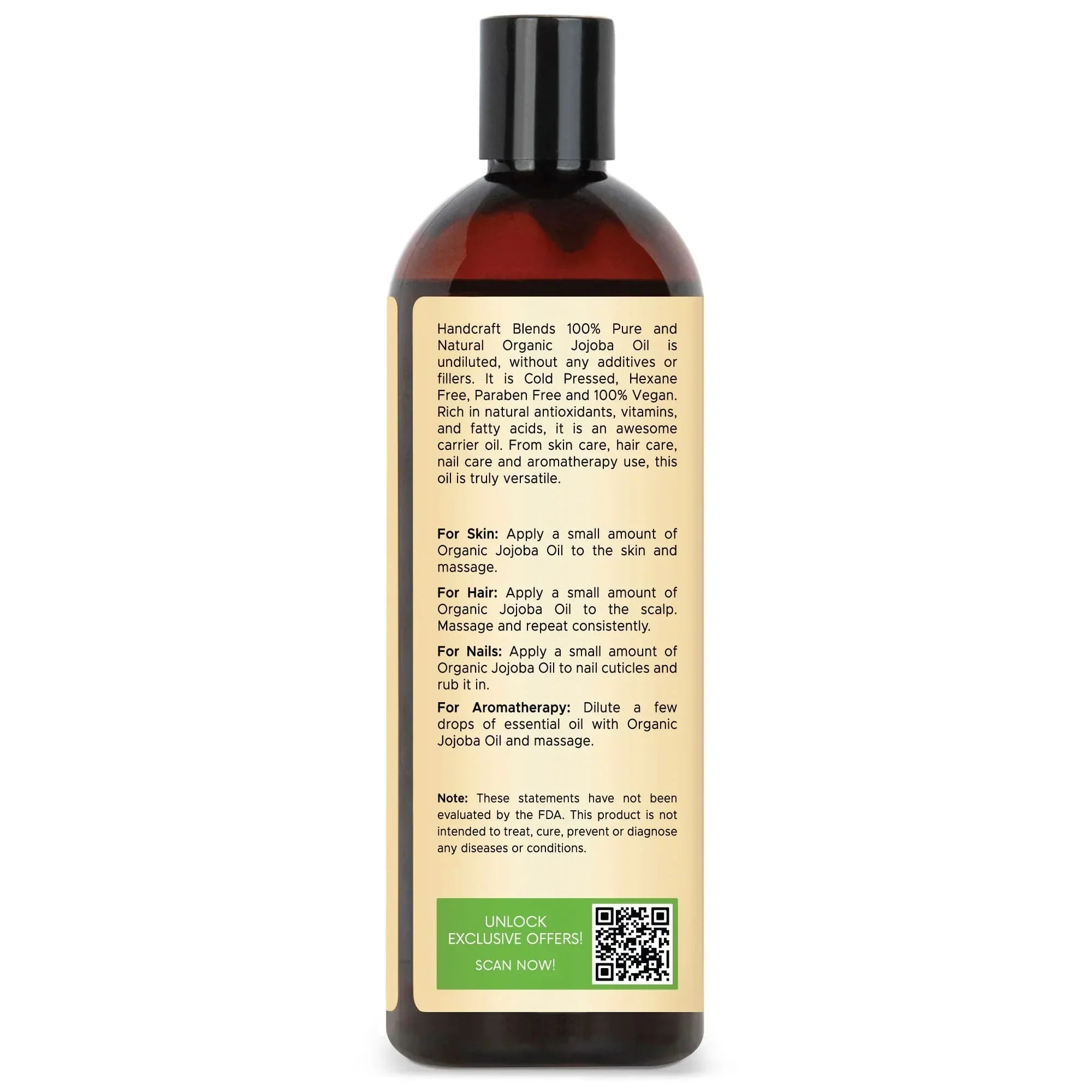
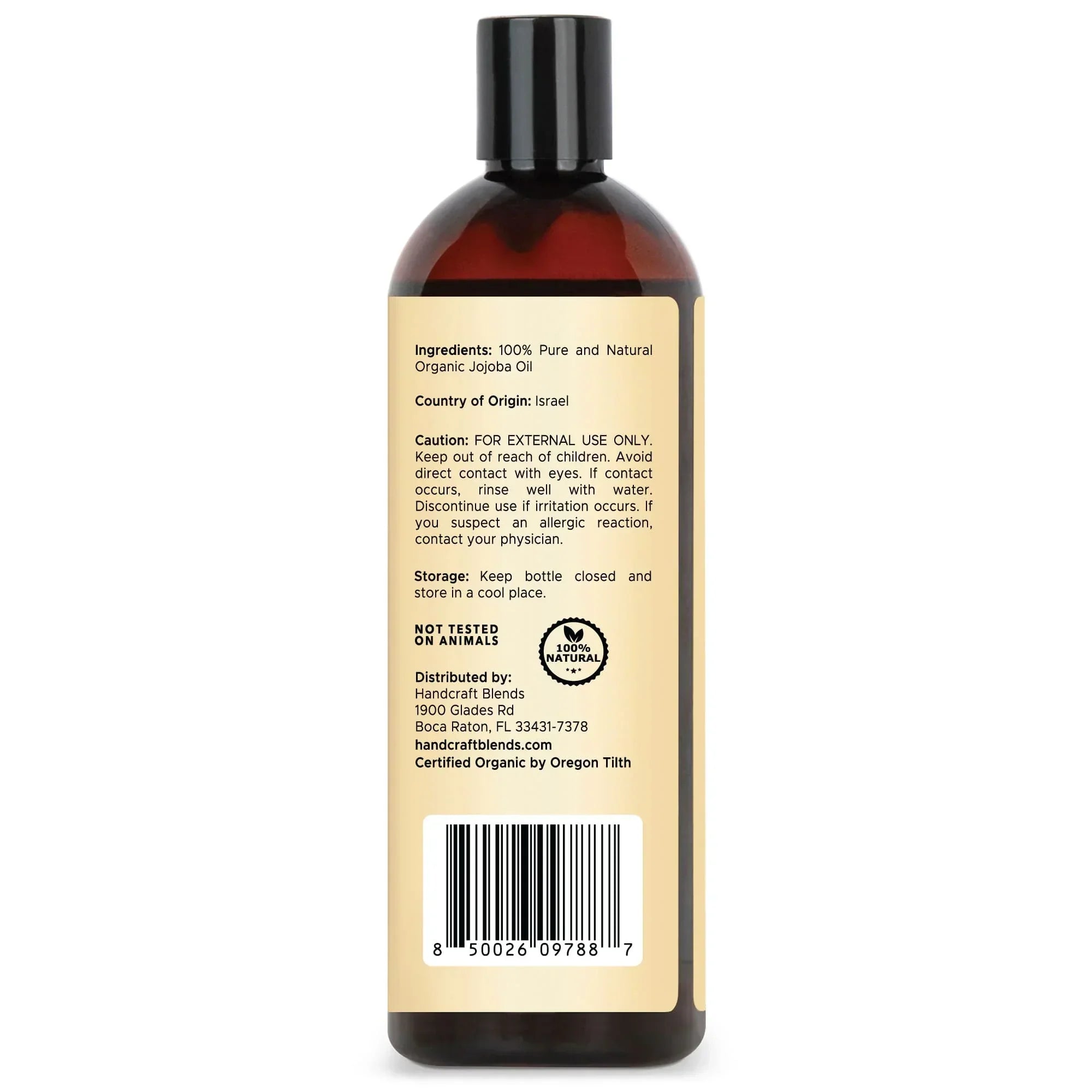
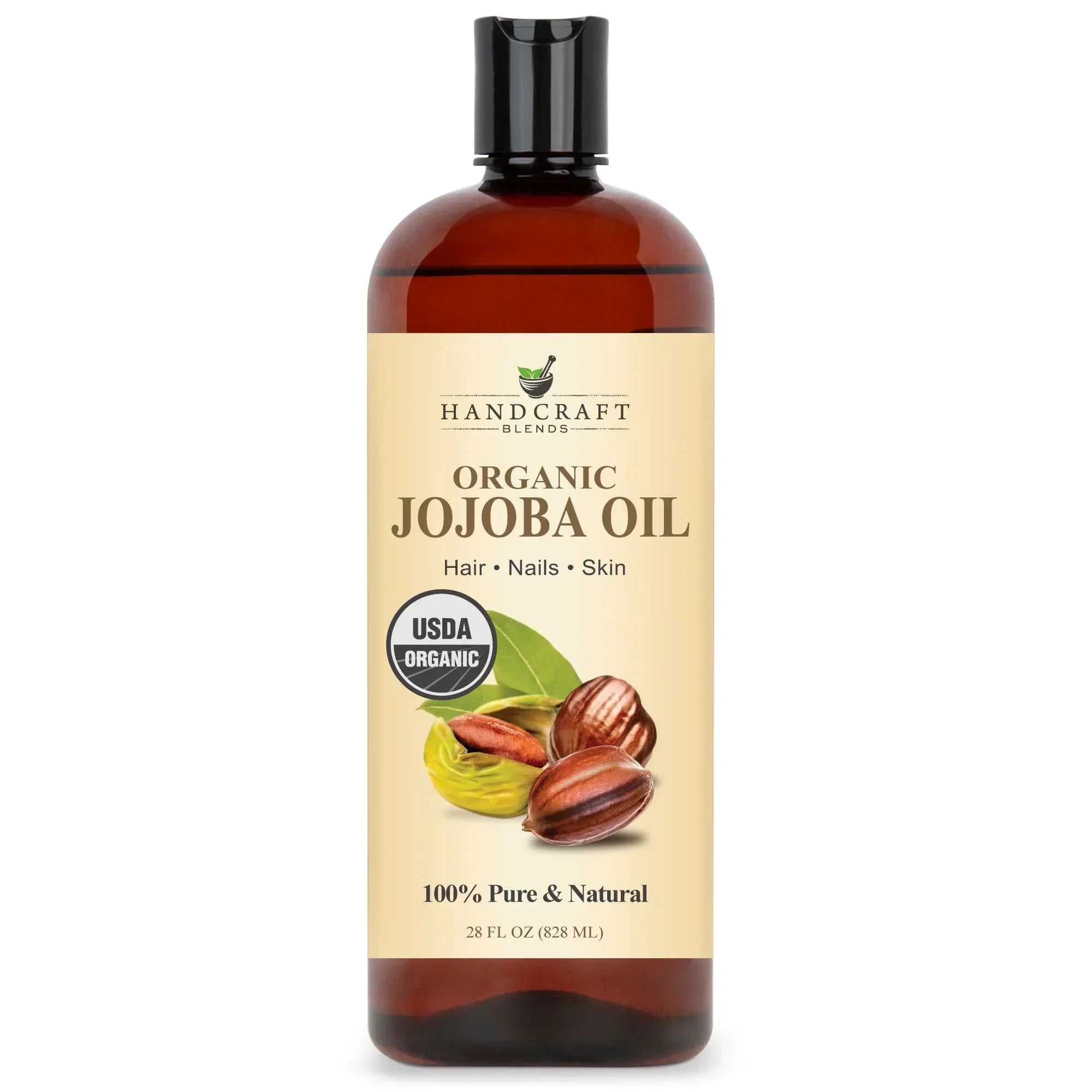
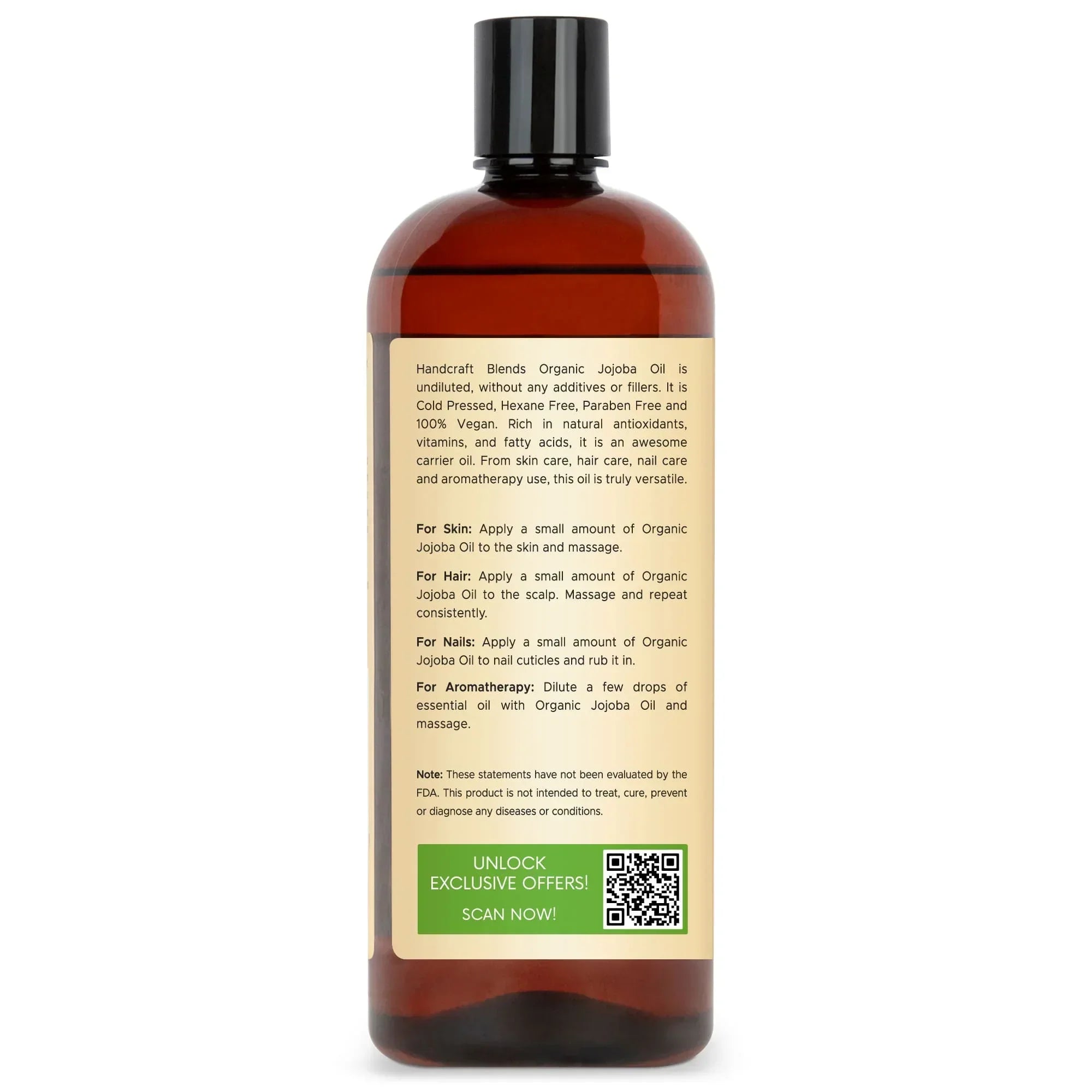
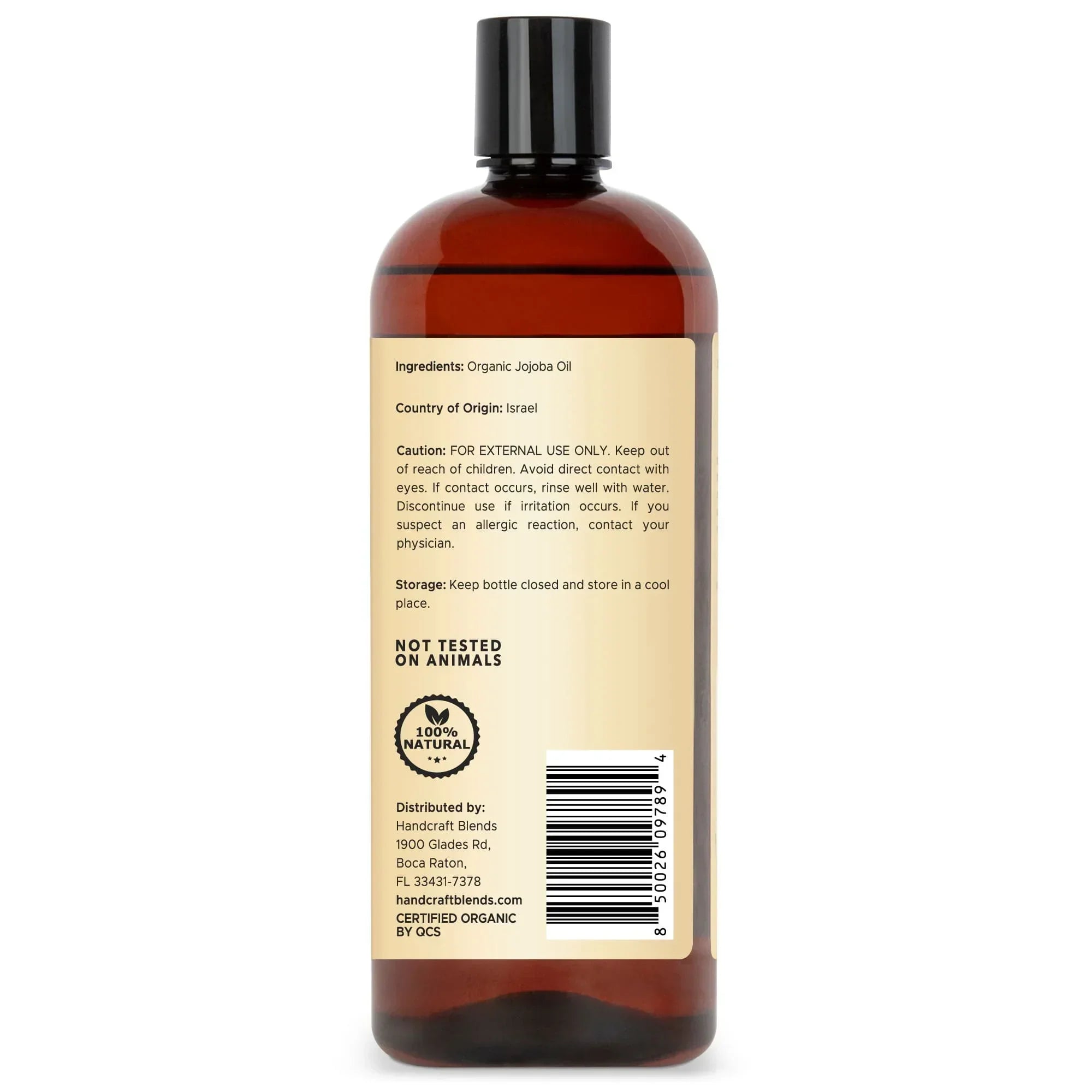

Botanical name:
Simmondsia chinensis
Ingredients:
Jojoba
Method:
Cold Pressed
Scent:
Unscented
Used for:
Skin
Organic:
USDA Organic
Sourced from:
Israel

-
Is organic jojoba oil good for oily skin?
Many people search for organic jojoba carrier oil when they want a lightweight oil that doesn’t feel heavy. Because jojoba oil has a texture and absorption pattern closer to natural skin oils, it is often chosen by those looking for daily moisturizing blends that feel comfortable on oily or combination skin.
-
Can organic jojoba oil be used on hair roots or scalp?
This is a common question from people who look for a gentle, non-greasy base oil for scalp care. Organic jojoba carrier oil’s fluid texture and plant-based composition often make it appealing for people who want to smooth and condition hair areas without heaviness.
-
Does jojoba oil feel heavy or greasy?
Many buyers choose organic jojoba carrier oil specifically because it usually feels less greasy than some other carrier oils. Its balanced fatty profile tends to absorb well and leave a smoother feel, which is why it’s often included in facial and body oil blends where a lighter finish is preferred.
-
What makes jojoba oil different from other carrier oils?
Organic jojoba carrier oil stands out because it is technically a liquid wax rather than a typical plant oil. This characteristic gives it a smoother, more stable texture, which many people find comfortable in everyday cosmetic use, especially in facial routines and massage blends.
-
What does it mean when jojoba oil is labeled organic and cold-pressed?
When buyers see “organic” and “cold-pressed,” they often want to know how the oil was processed. Organic means the raw plant material was grown without synthetic pesticides, and cold-pressed indicates extraction without high heat. Many people associate these terms with minimal processing and a more natural ingredient profile.
Organic Jojoba Carrier Oil is a lightweight, skin-friendly oil that feels more like a dry oil than a heavy one. It’s especially nice for facial routines, balancing oily or combination skin, and softening hair and scalp without leaving a greasy finish.
-
For everyday face moisture
After cleansing, apply 2–4 drops to slightly damp skin and gently press it in. It layers well under moisturizer or sunscreen if you like a little extra comfort.
-
For oily or combination skin
Use a few drops on the areas that get shiny, then wait a minute before adding other products. It’s a good option when you want moisture without feeling weighed down.
-
For scalp and hair softness
If your scalp feels dry, massage a small amount into the scalp for a few minutes, let it sit briefly, then wash as usual. For hair, smooth a tiny amount over the ends to reduce frizz and add softness.
-
For beard or cuticle care
Rub a drop or two between your fingers and work it into beard hair, or massage into cuticles and hands when they feel dry. It’s a quick, low-mess step you can do anytime.
-
For blending with essential oils
Use jojoba oil as a carrier base when you want to dilute essential oils before applying to skin. Mix well, then apply to the desired area in a thin, even layer.
- If you’re new to facial oils, start with fewer drops and increase only if your skin wants more.
- Jojoba feels especially nice in the daytime because it absorbs quickly.
- For hair ends, use the smallest amount possible to keep hair light and bouncy.
Warning: For external use only. Avoid contact with eyes. Patch test before first use. Discontinue use if irritation occurs.
Trusted by +500k customers around the world
Customers praised this organic carrier oil for its versatility, saying "heals my dry skin" and "my hair is healthy again." Many appreciated the lightweight texture and high quality. However, some experienced irritation, found it too heavy, or reported delivery issues like leaking bottles. Mixed results noted, with some finding effects only average.
Love this oil, will be buying it again once it runs out.
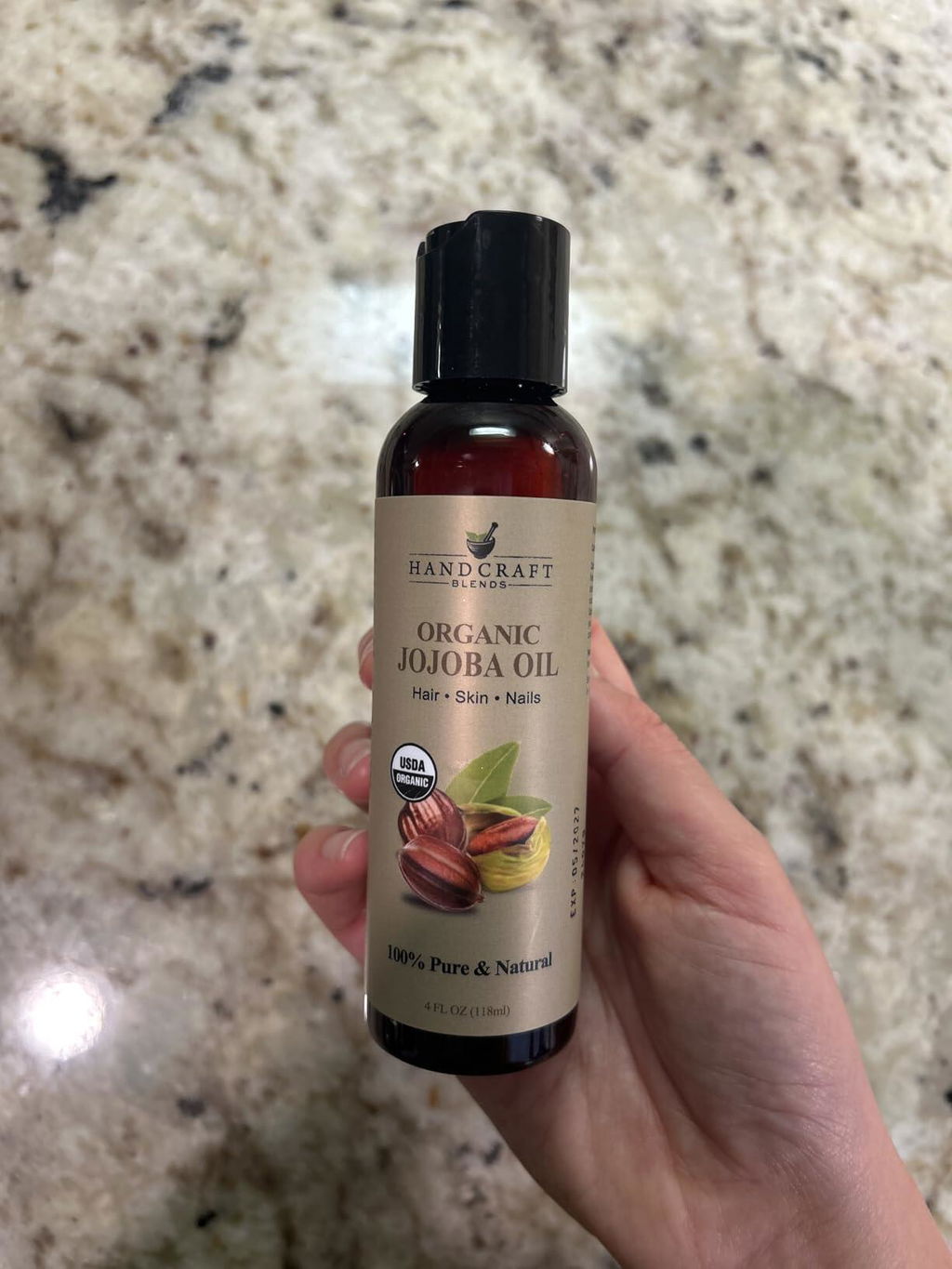
Lo he comprado varias veces, lo amo, me encanta, lo utilizo para mi piel y para mi cuero cabelludo tambin para mis uas, es ligero y se siente delicioso
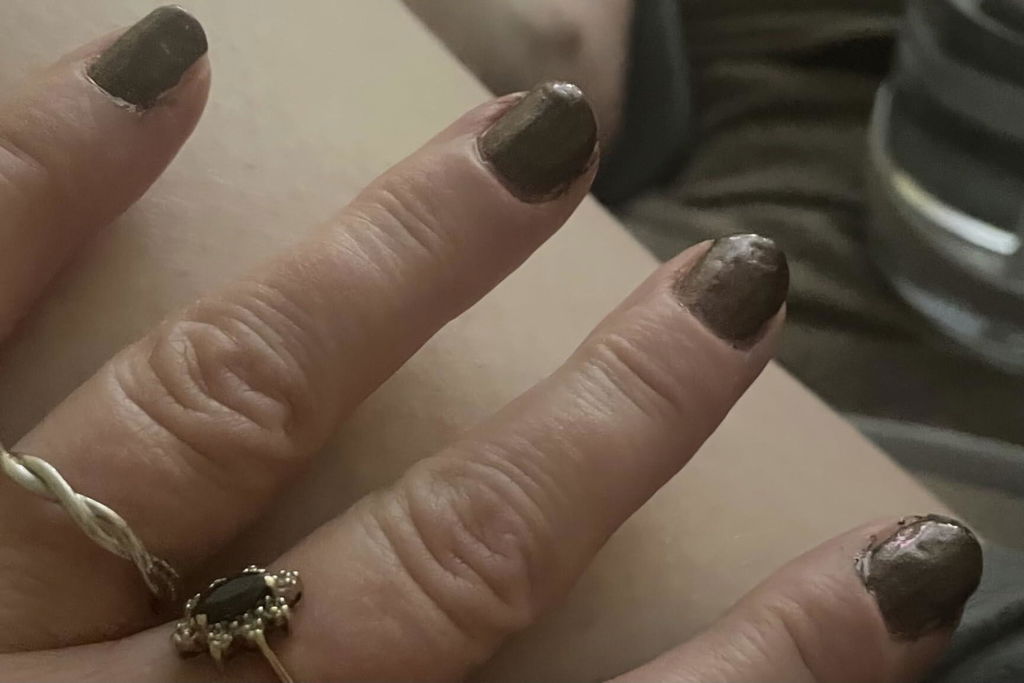
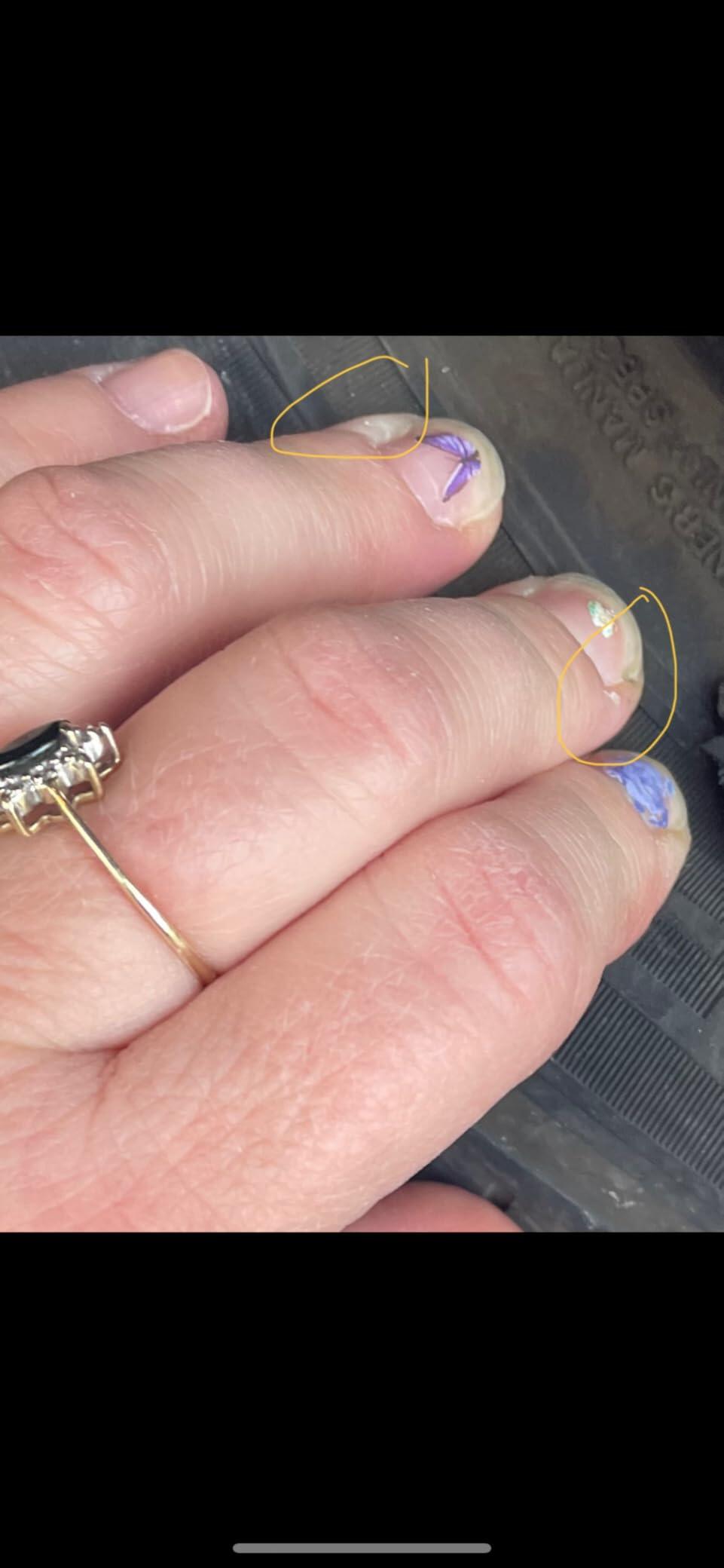
I bought this for my cuticles. The pic with purple butterfly is the before and the dark polish is the after. My cuticles were pretty messed up but now they are getting much better! I also thought to myself, well if it works this well for cuticles what about a crepey neck or on dry sunburnt skin. This stuff is fabulous!!
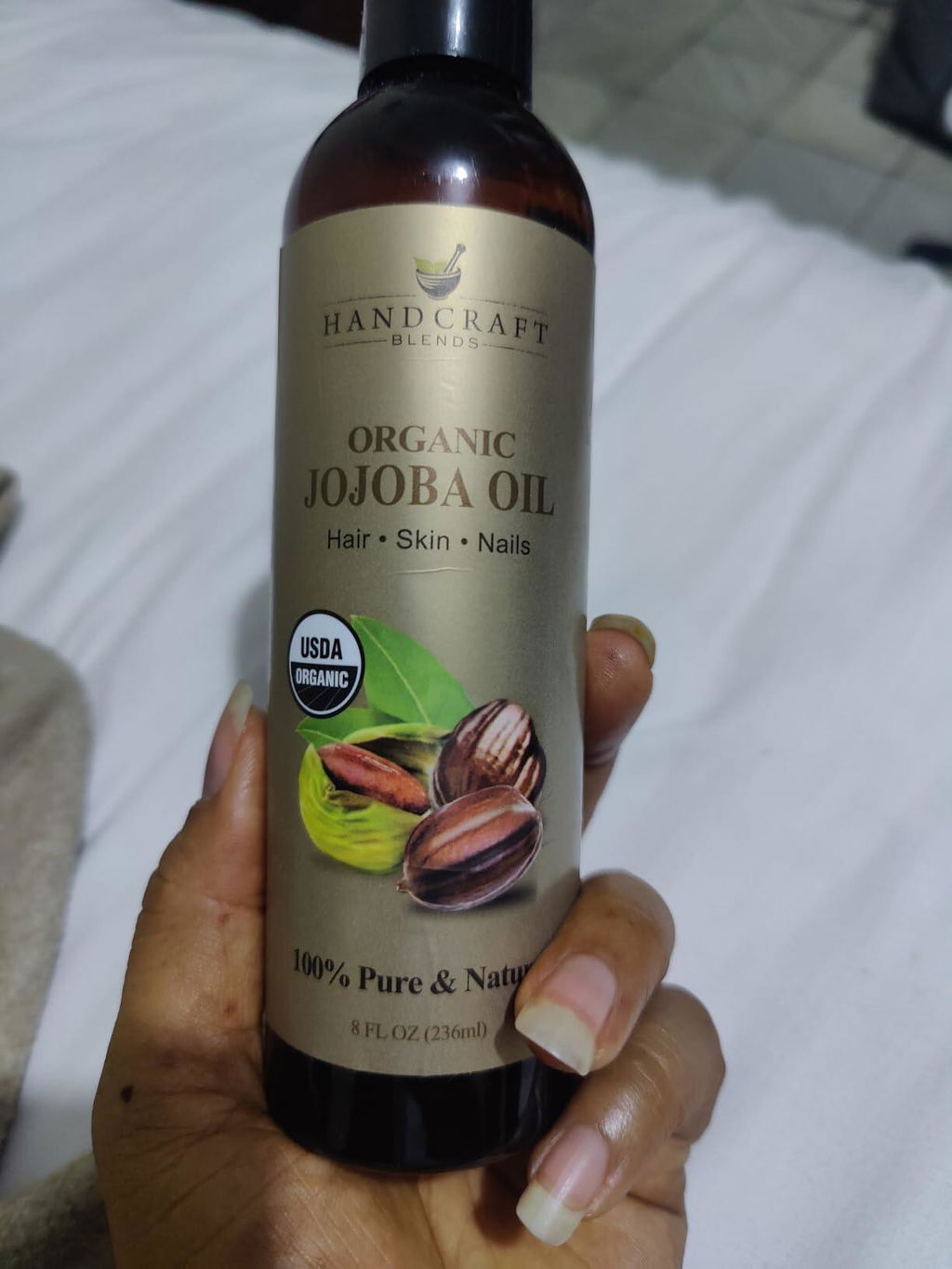
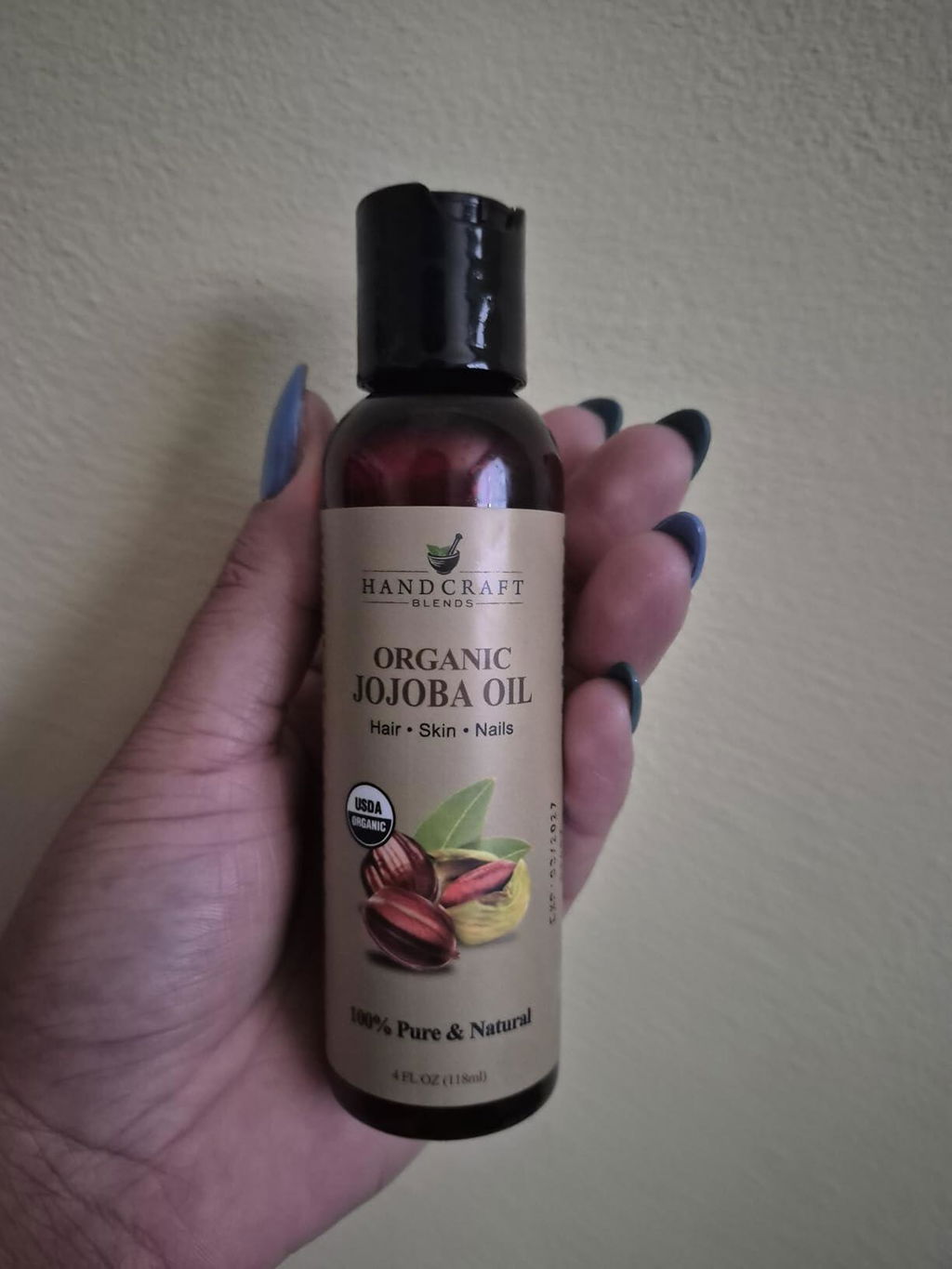
It's smaller than what I thought it was gonna be although isn't enough not to rate it 5 stars. This product is really what I was hoping for. My type 3 curls hair is pretty healty but I was looking for an oil to keep the moisture besides de coconut oil and this definitely does the job, the good part? Its a lightweight oil for the hair so it doesnt "kill" the volume of my curls, 100 recommended.
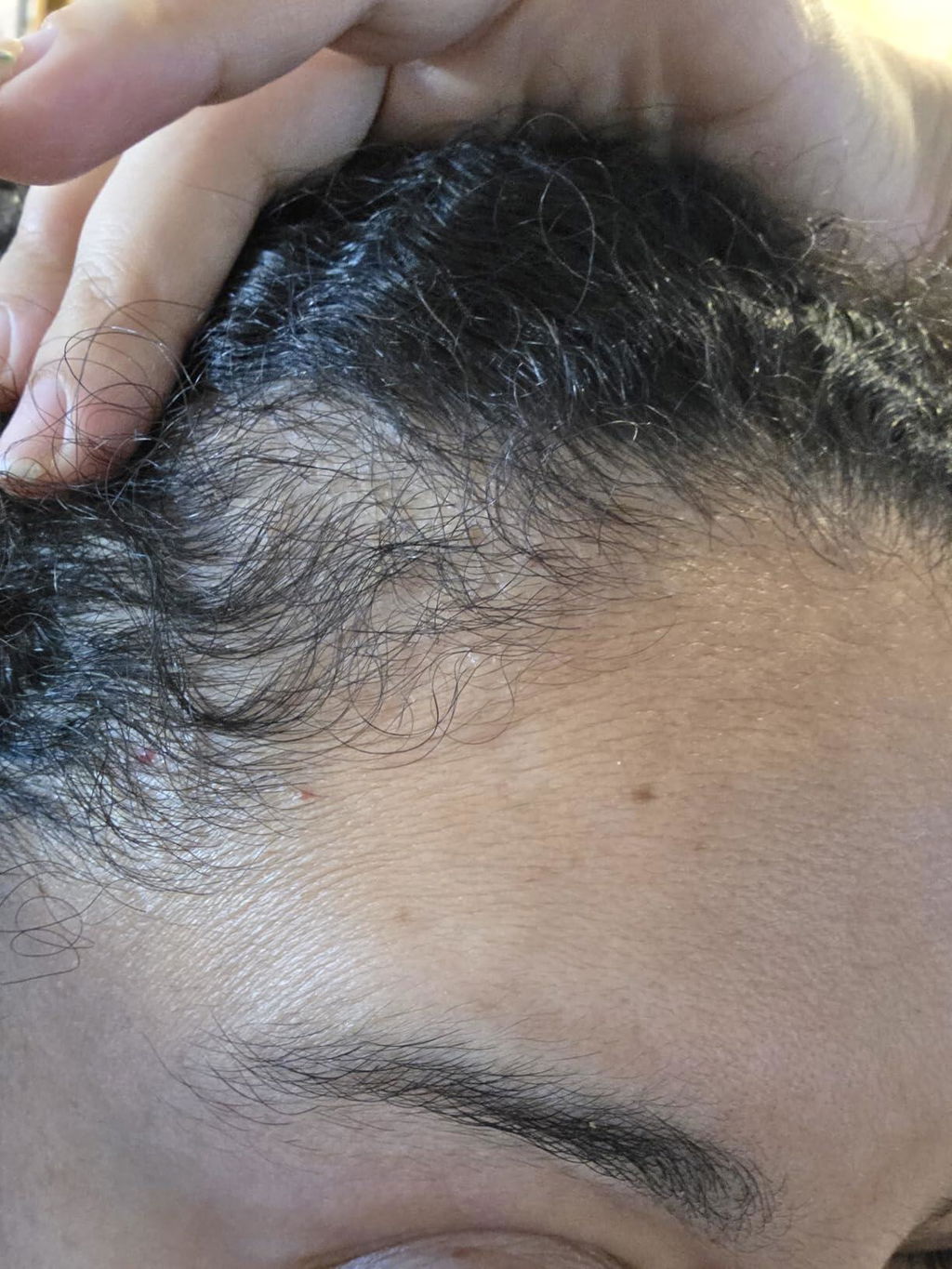
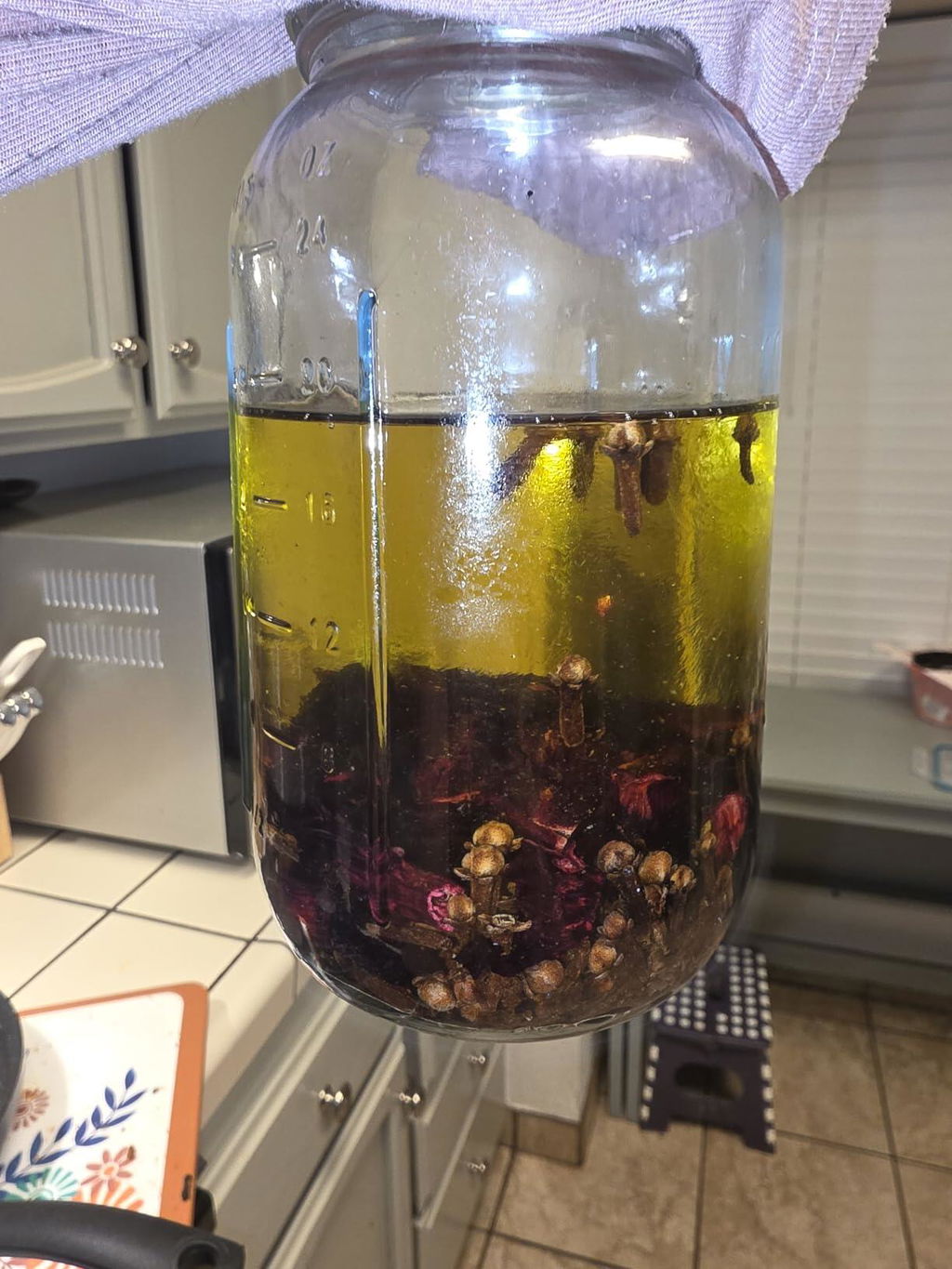
I'm trying to grow my hair back from postpartum hair loss the struggle is real y'all lol. But I caught my hair falling out and the next day I started on a treatment. What's crazy is how fast it started thinning but I immediately made an oil with jojoba oil, pumpkin seed oil, rosemary oil, coconut oil, and hibiscus oil. I made everything at home which was pretty simple but the jojoba and pumpkin seed oil i bought. After a week of rubbing it in I've already seen a slight difference. Nothing big but it's only been a week so I'll come back with an update as it gets better. Ooooh I'm also doing rosemary water in between rubbing this on my head every other day If ppl are curious I'm doing equal parts of each oil. So 1oz of each in one of those little squeeze bottles. The picture I'm attaching doesn't show how much was initially in it. And I also use one of those rolly things with little spikes before and after rubbing in the oils. That's just to helpmy scalp absorb the oils better. Then at night I wrap my hair . I made the rosemary oil by getting dried rosemary and cloves from an Asian herb store (any herb store will be way cheaper than a grocery store. I got a lb of cloves for like 8 instead of 8oz for 8 and the grocery store lol). Then I take both of those and add to a mason jar with olive oil and coconut oil. Then I take a pit of water and get it to a boil, turn it off and then put the mason jar in the hot water and just let it sit. I do this to heat it up without over heating the herbs and cooking out all the good stuff. Then I'll let it sit for a week or two (max) in my pantry because it's dark and not super hot. Then I use a cheese cloth to drain it and store it again. Also For the coconut oil I don't put a lot because it hardens at room temp. I don't measure anything honestly I might be putting too much but it works so if it ain't broken don't fix it haha. but if you want exact measurements there are a ton of videos on how to make it on tik tok which is the bessssst for teaching at home remedies in my opinion For the hibiscus oil I do the exact same thing with dried hibiscus, cloves, olive oil and coconut oil. The pumpkin seed oil i buy organic Hopefully this helps because I know I absolutely hated losing hair, bust luck to all of u guys
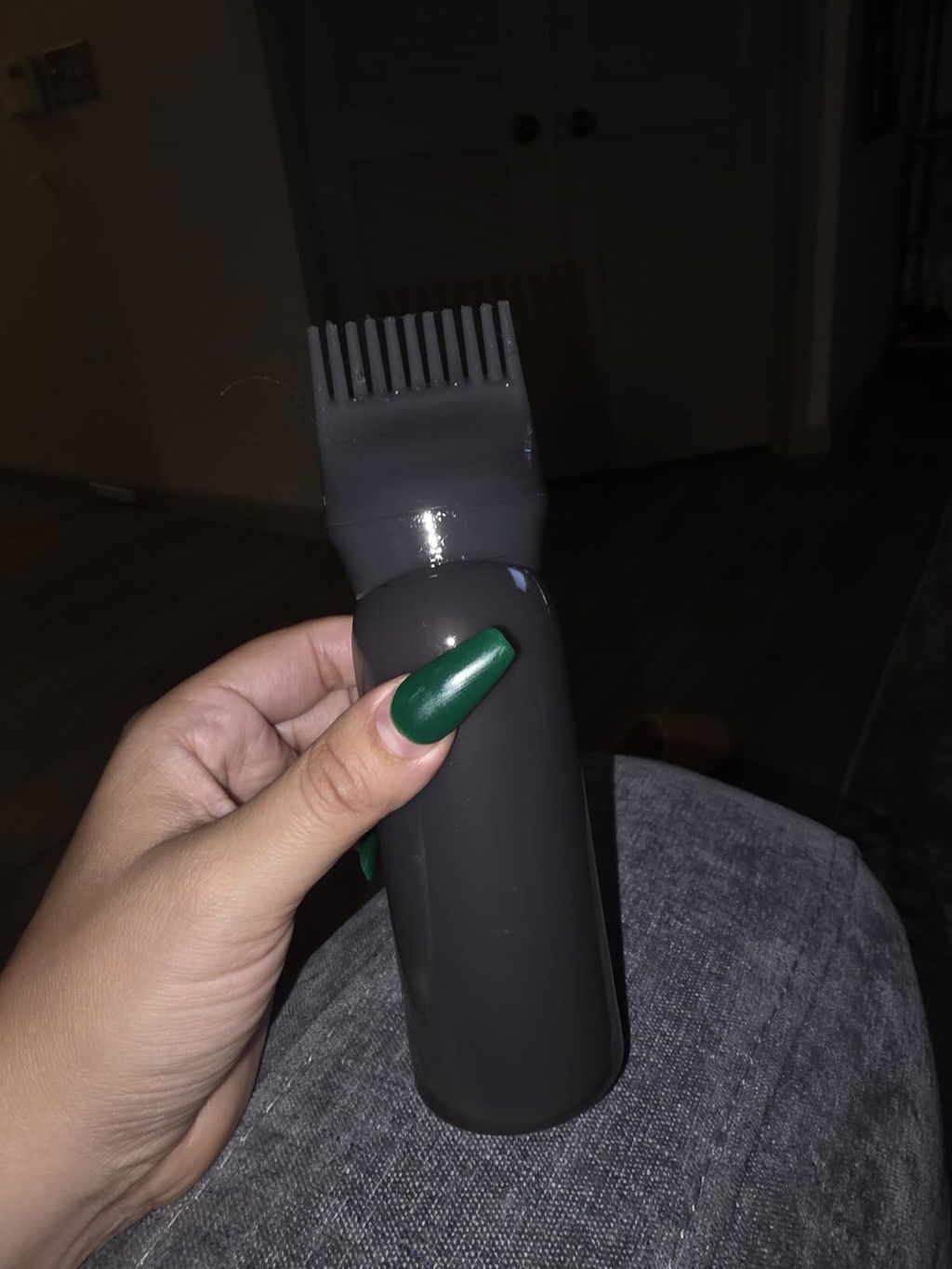
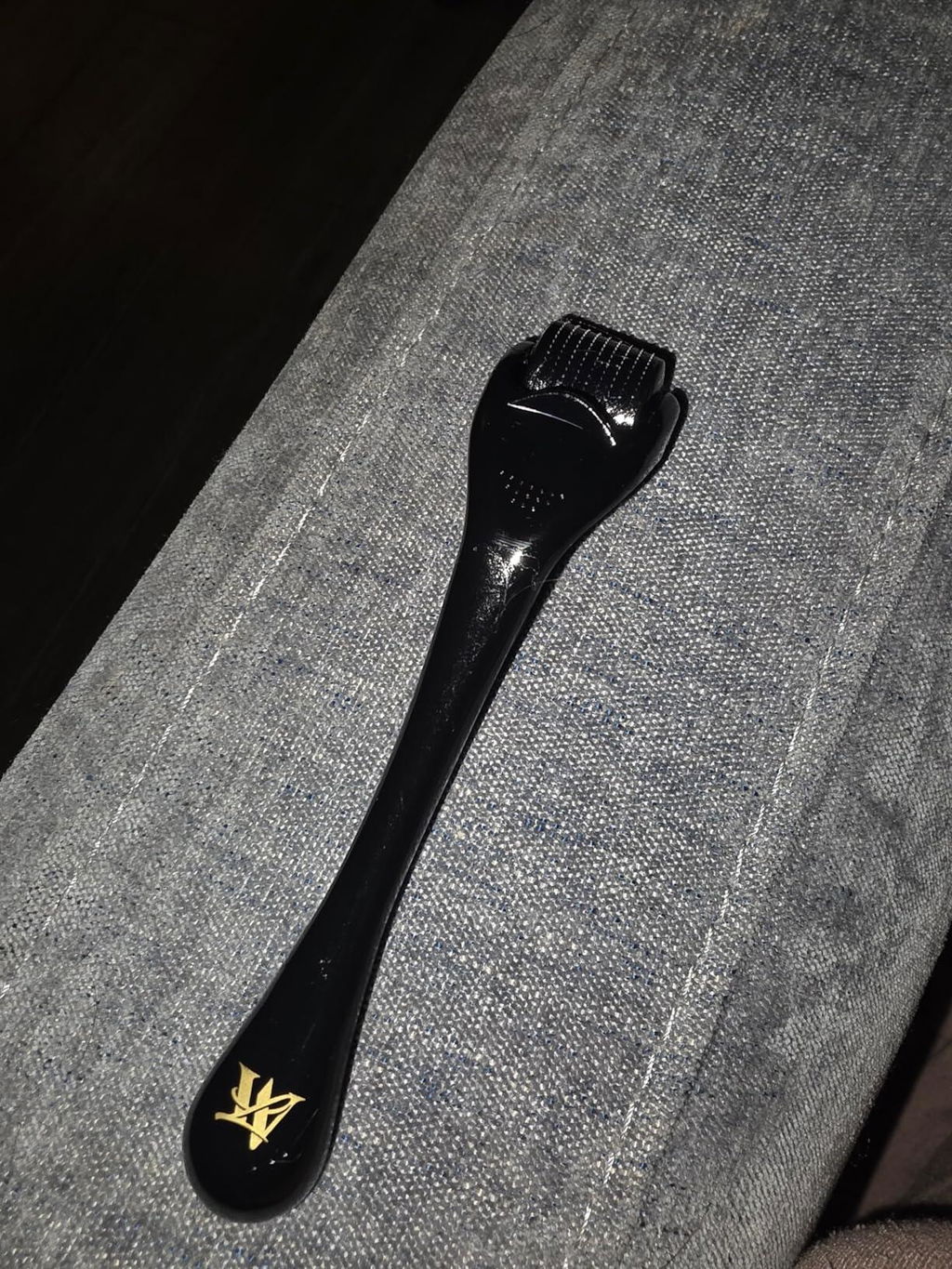
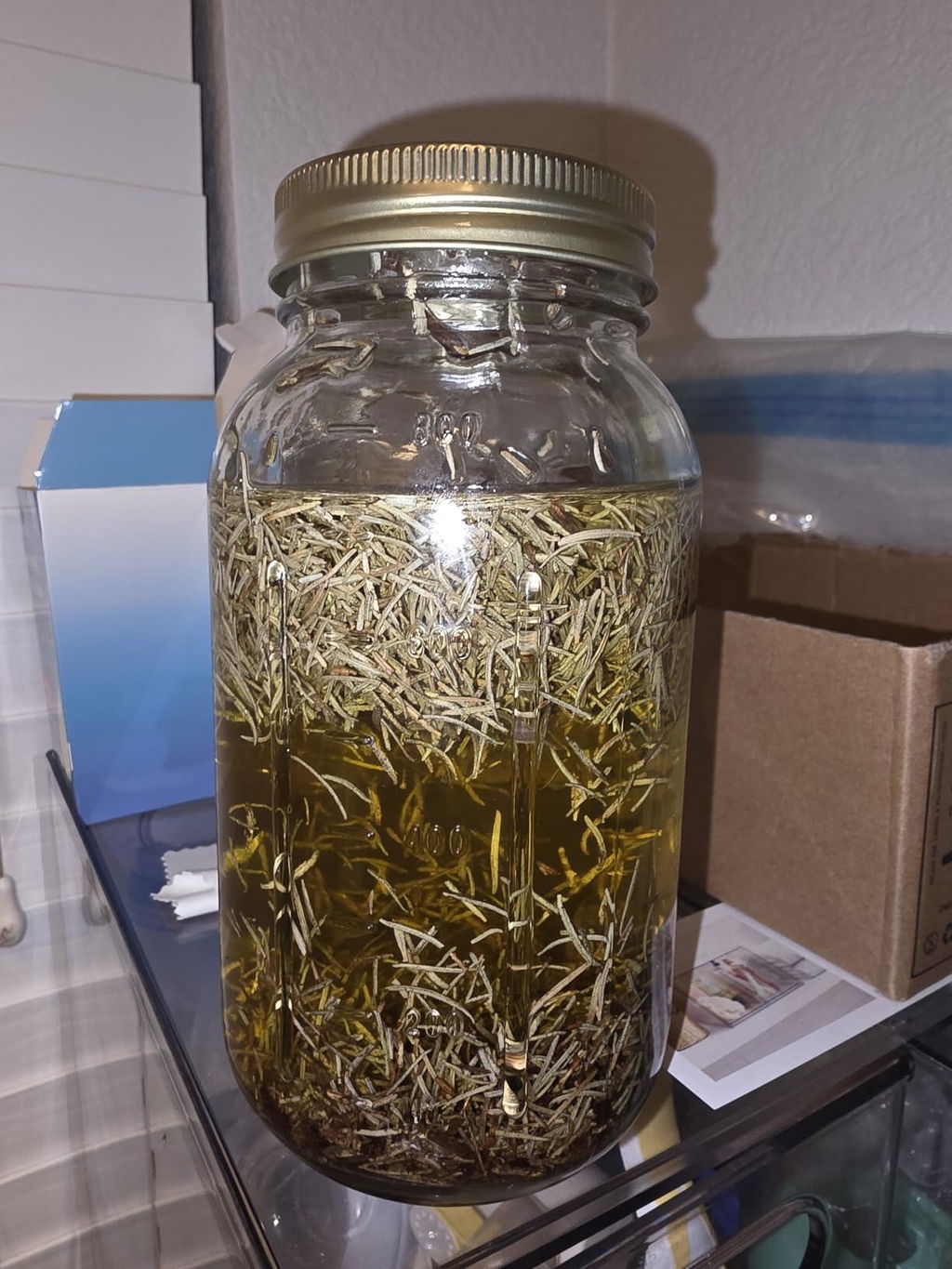
Amazing jojoba oil my new go-to for skin, hair, and nails! Ive been using the 100 pure and natural jojoba oil (8 oz) from Car Blends, and I absolutely love it. It has really transformed the texture of my skin it feels smoother and more hydrated without feeling greasy. One of the things I appreciate most is that it doesnt clog my pores like some other oils Ive tried. The scent is very mild, almost unnoticeable, which I prefer for daily use. I also use it for my hair and nails, and it works wonderfully. As a bonus, its great as a gentle makeup remover that leaves my skin soft and clean. Tip: A little goes a long way, so this size will last quite a while. Definitely recommend if youre looking for a high-quality, versatile oil!
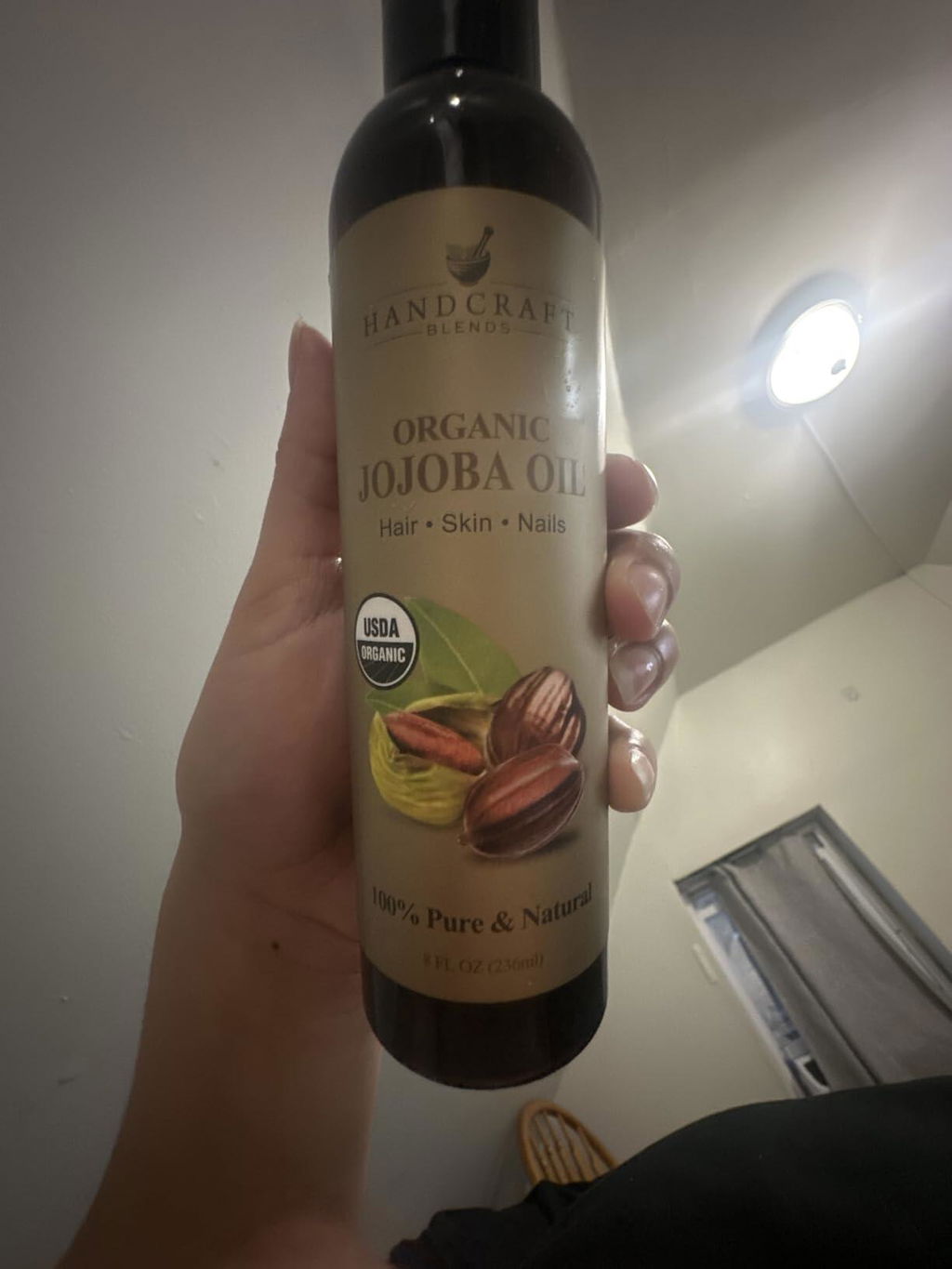
Olor muy leve ni se siente
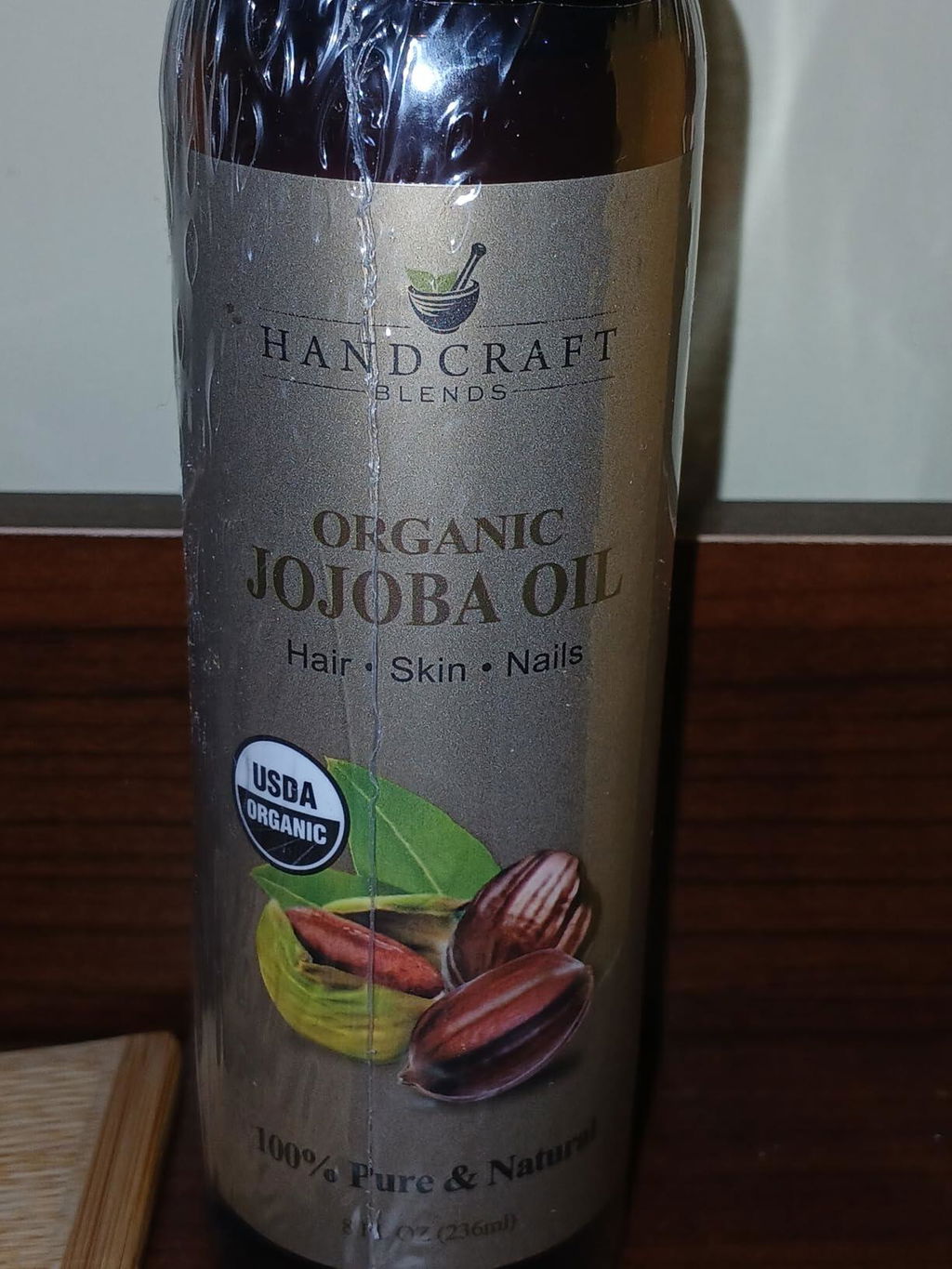
I like it! This is my first purchase of this kind of oil. I love using this in my body butter. I use this, some rosebud oil and shea. So hydrating! Since I am new, I haven't been able to compare to other jojoba oils. I like it though. :-)
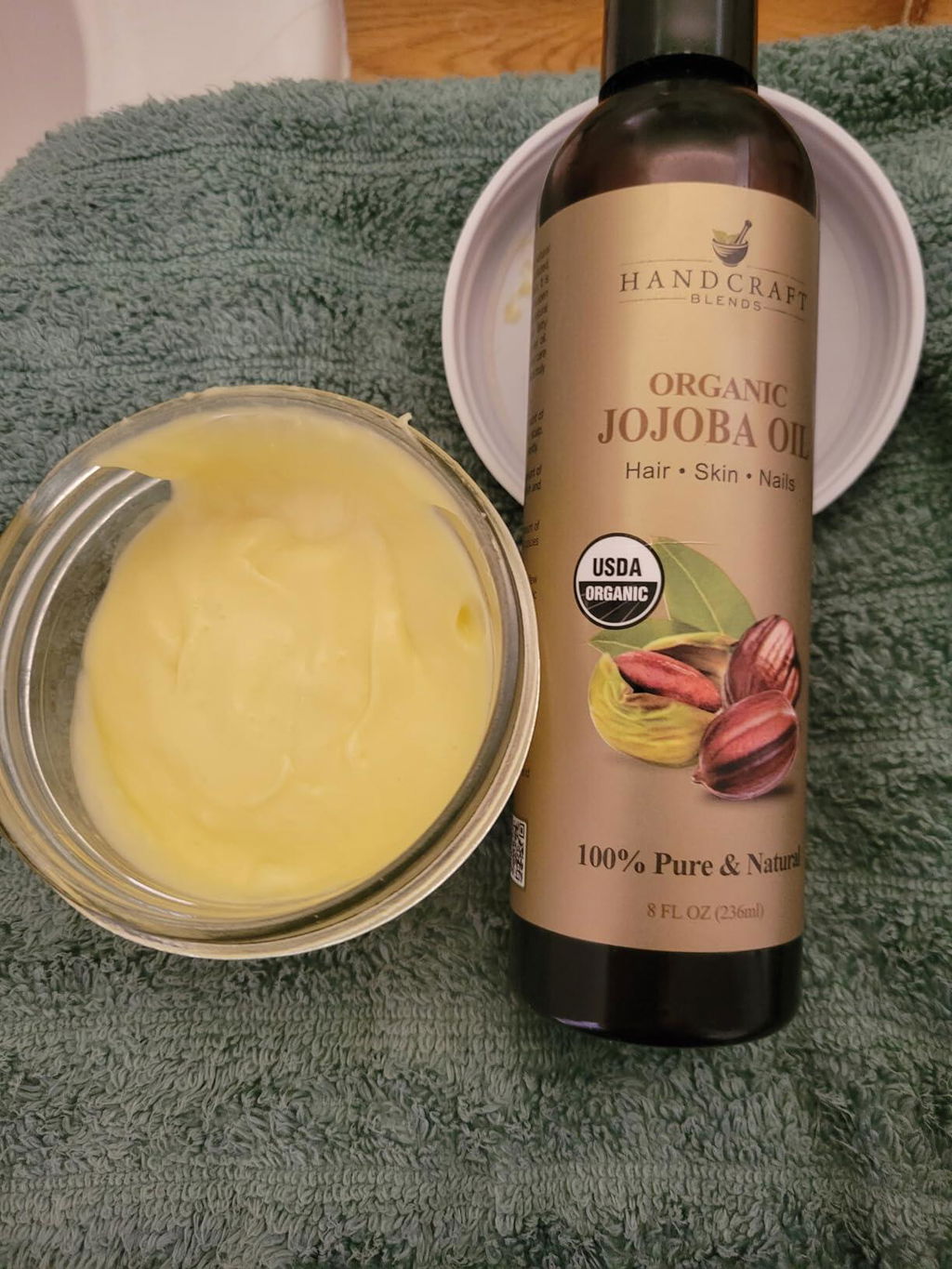
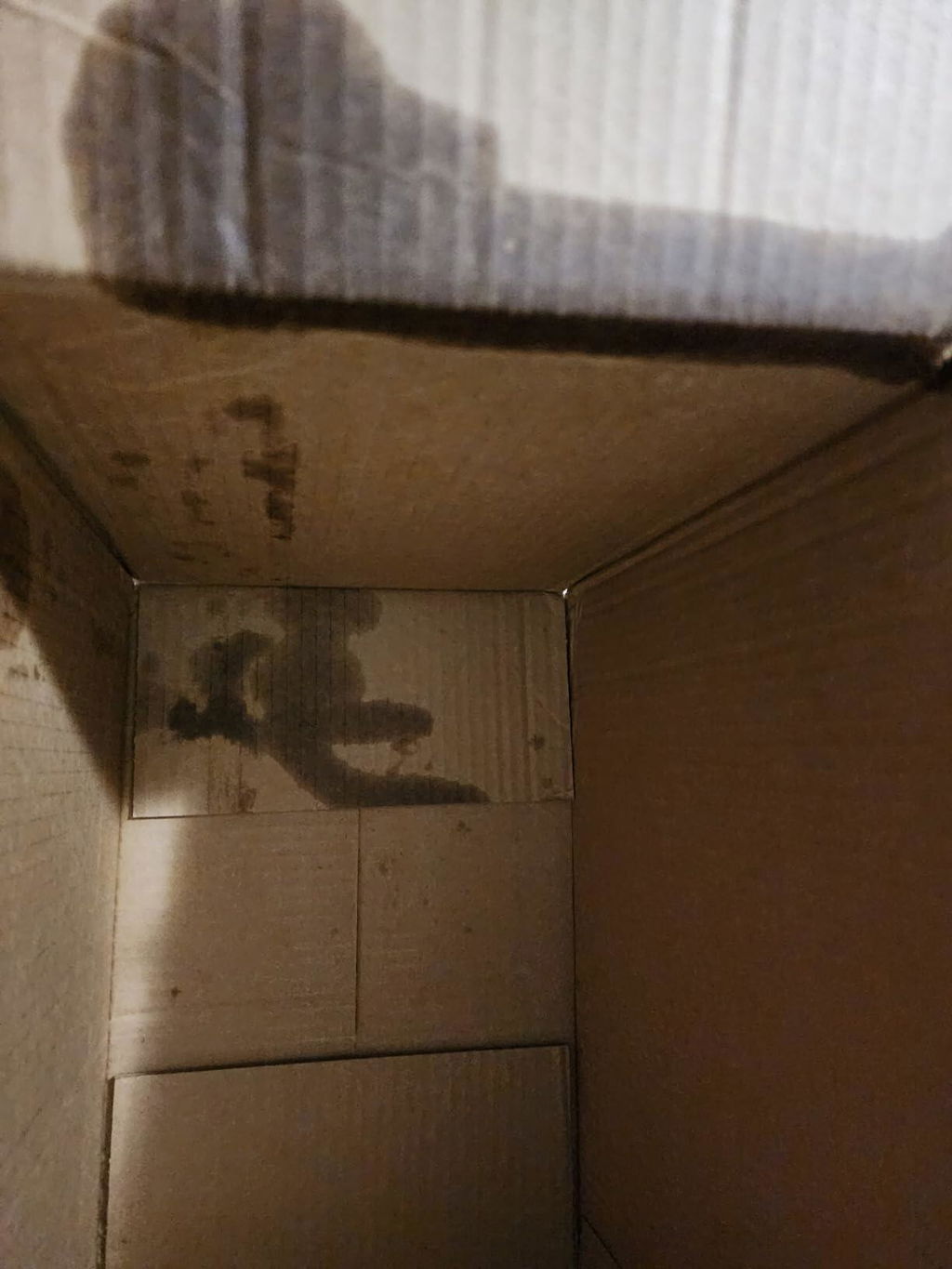
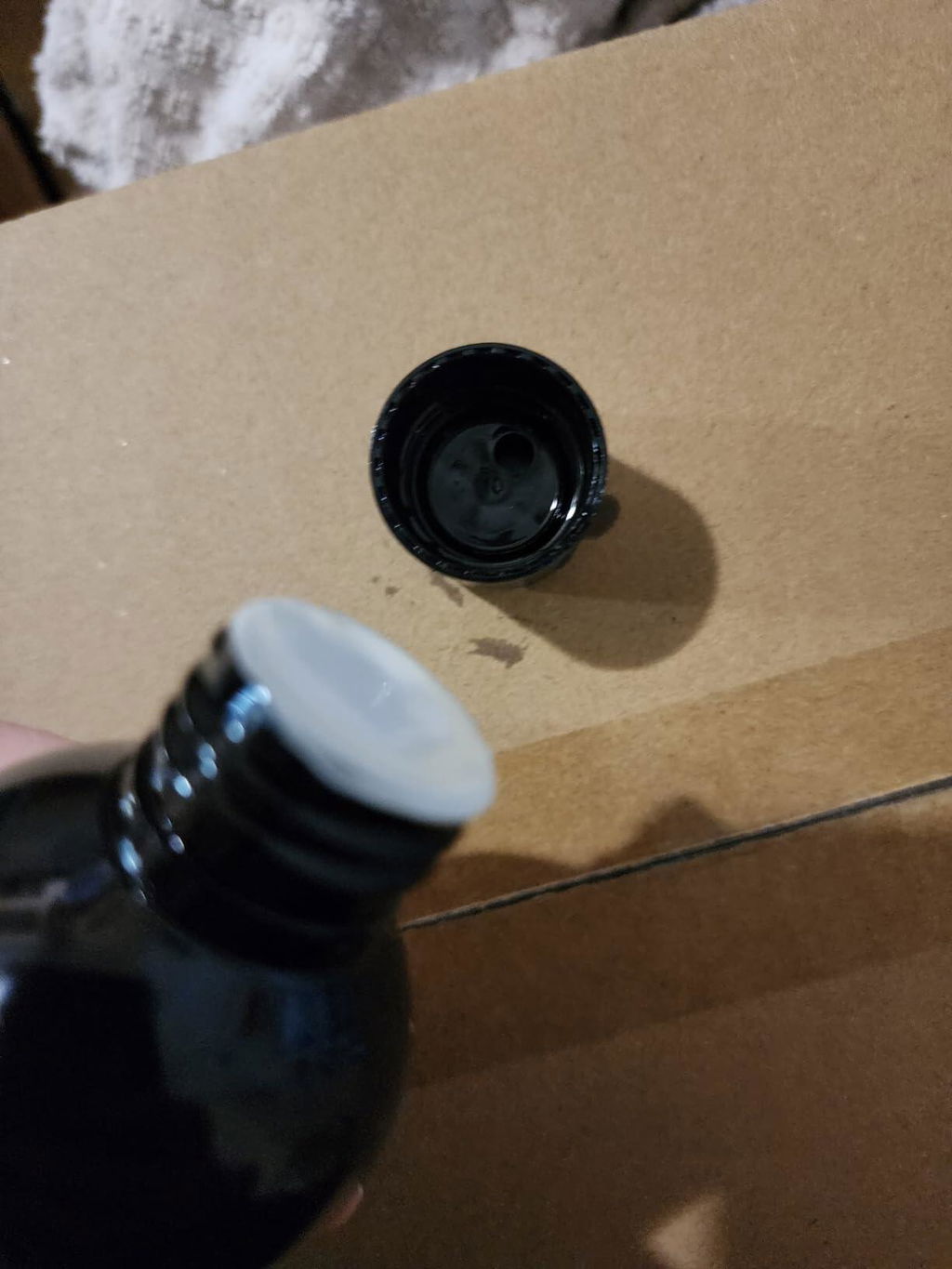
The oil is good, I found it expensive considering how much you get but it is of good quality, the reason for me deducting a star was because the bottle had leaked all over so had even less when delivered.
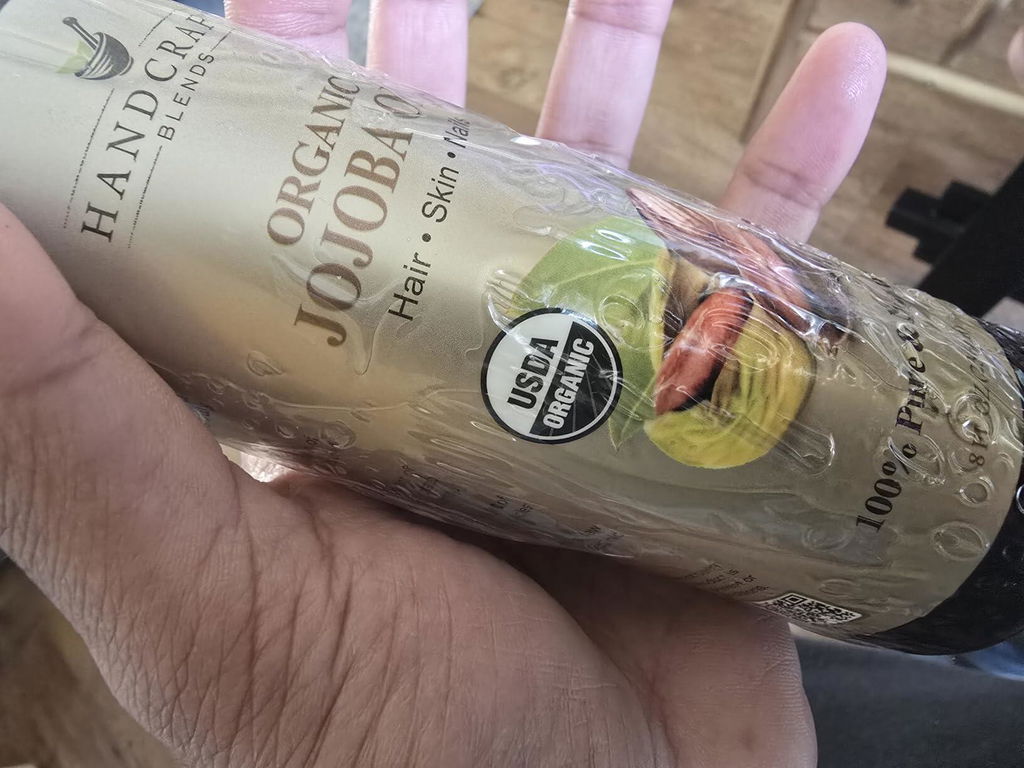
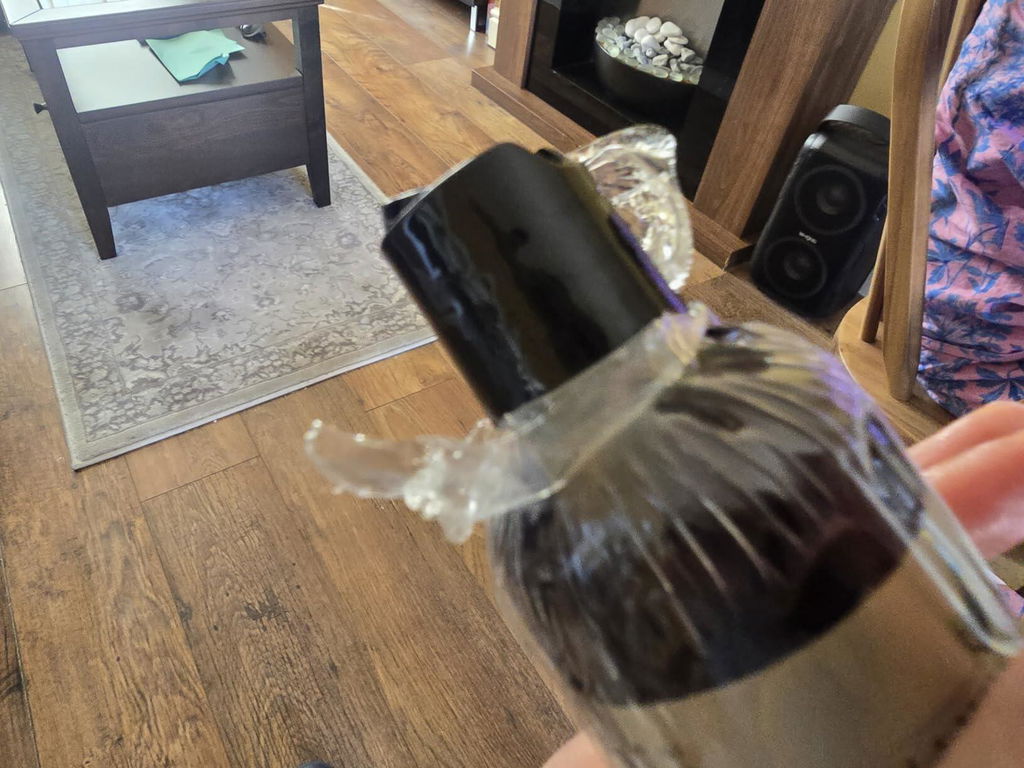
Came in like a plastic wrap I will say its a little smaller than I thought it was going to be and it lowkey stinks but worth the Price
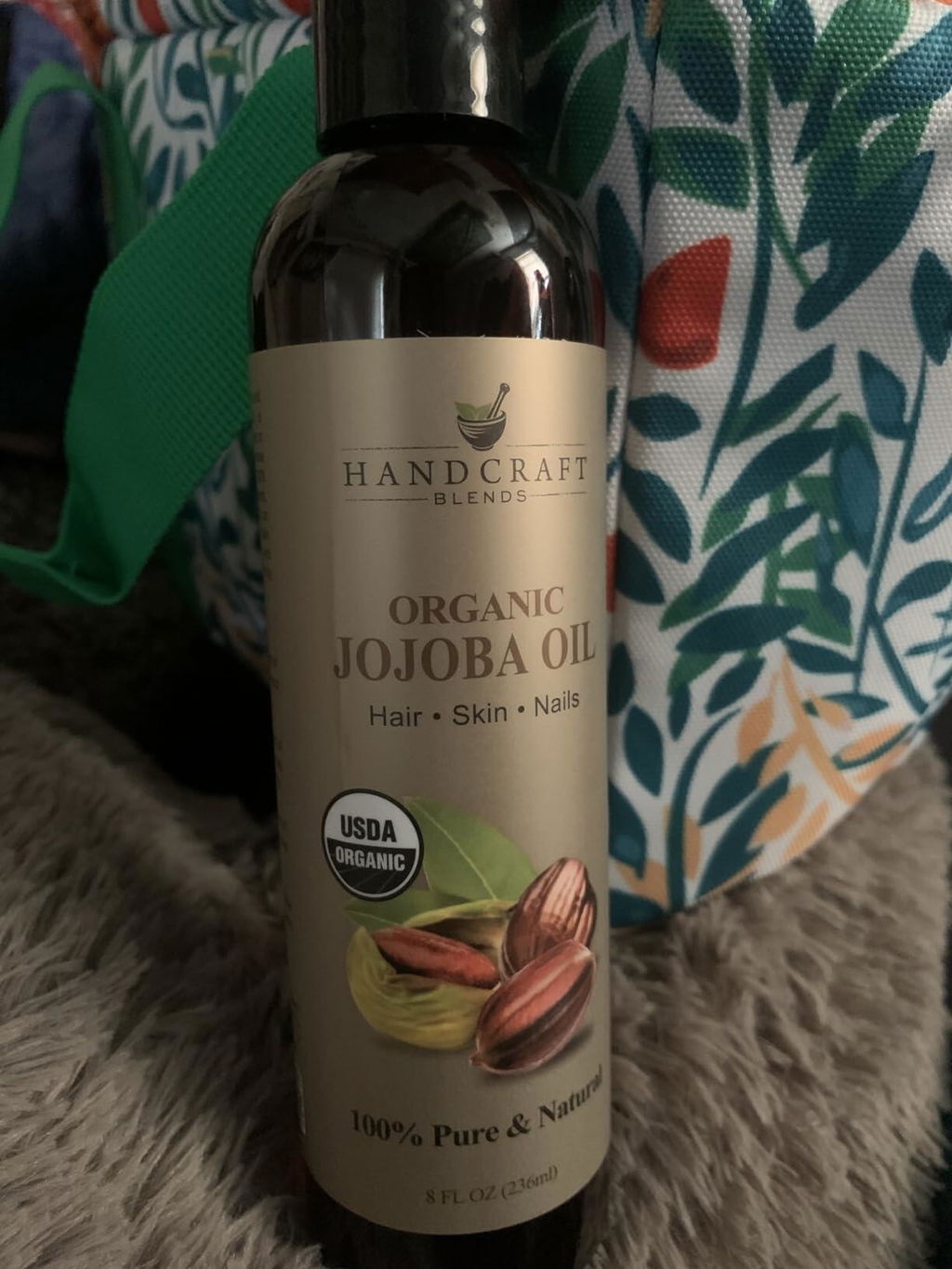
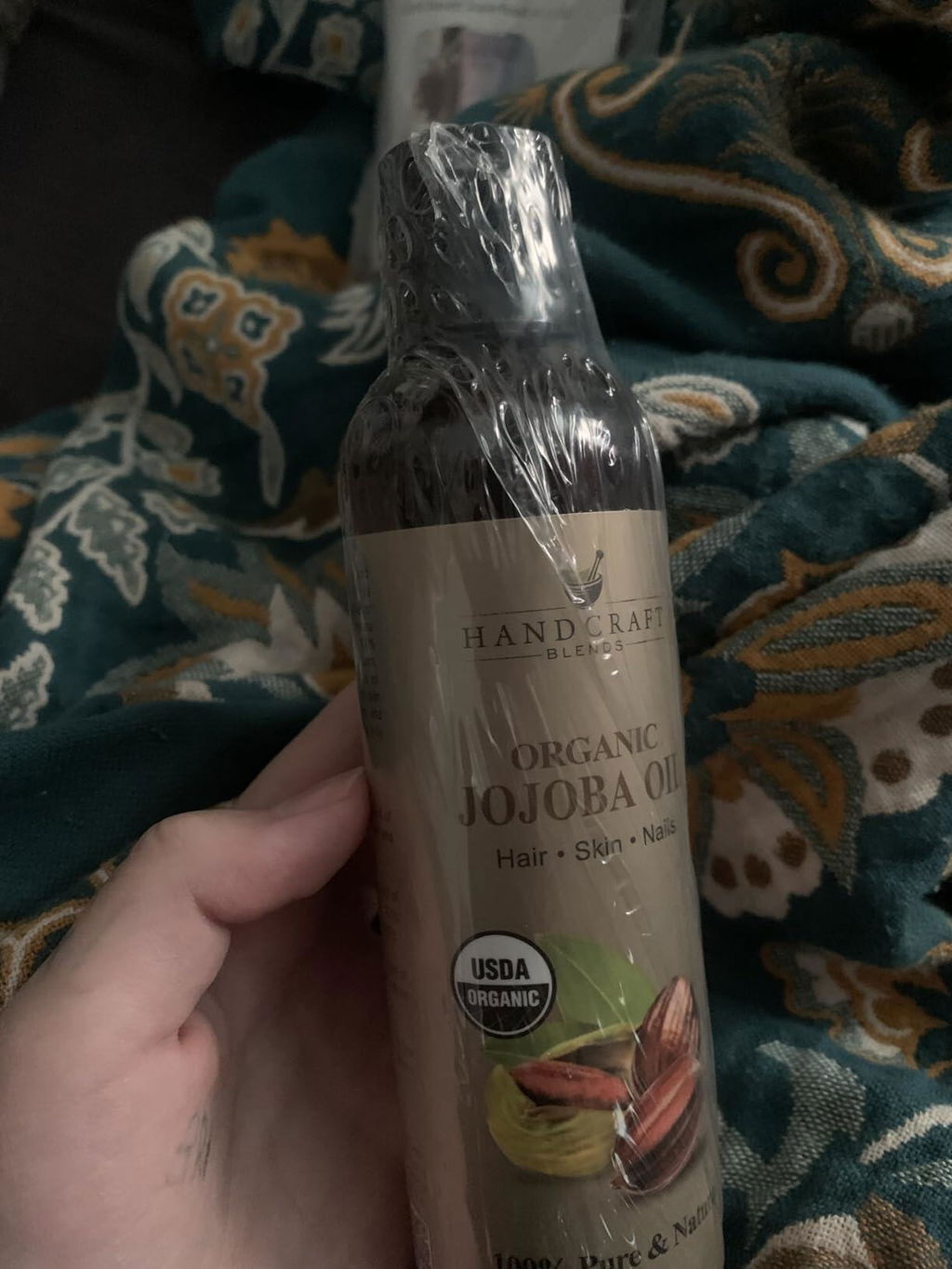
I love how this makes my hair feel! Super nourishing and I have very fine hair, it doesnt weigh it down. I like to use it before I shower as a pre-wash treatment.
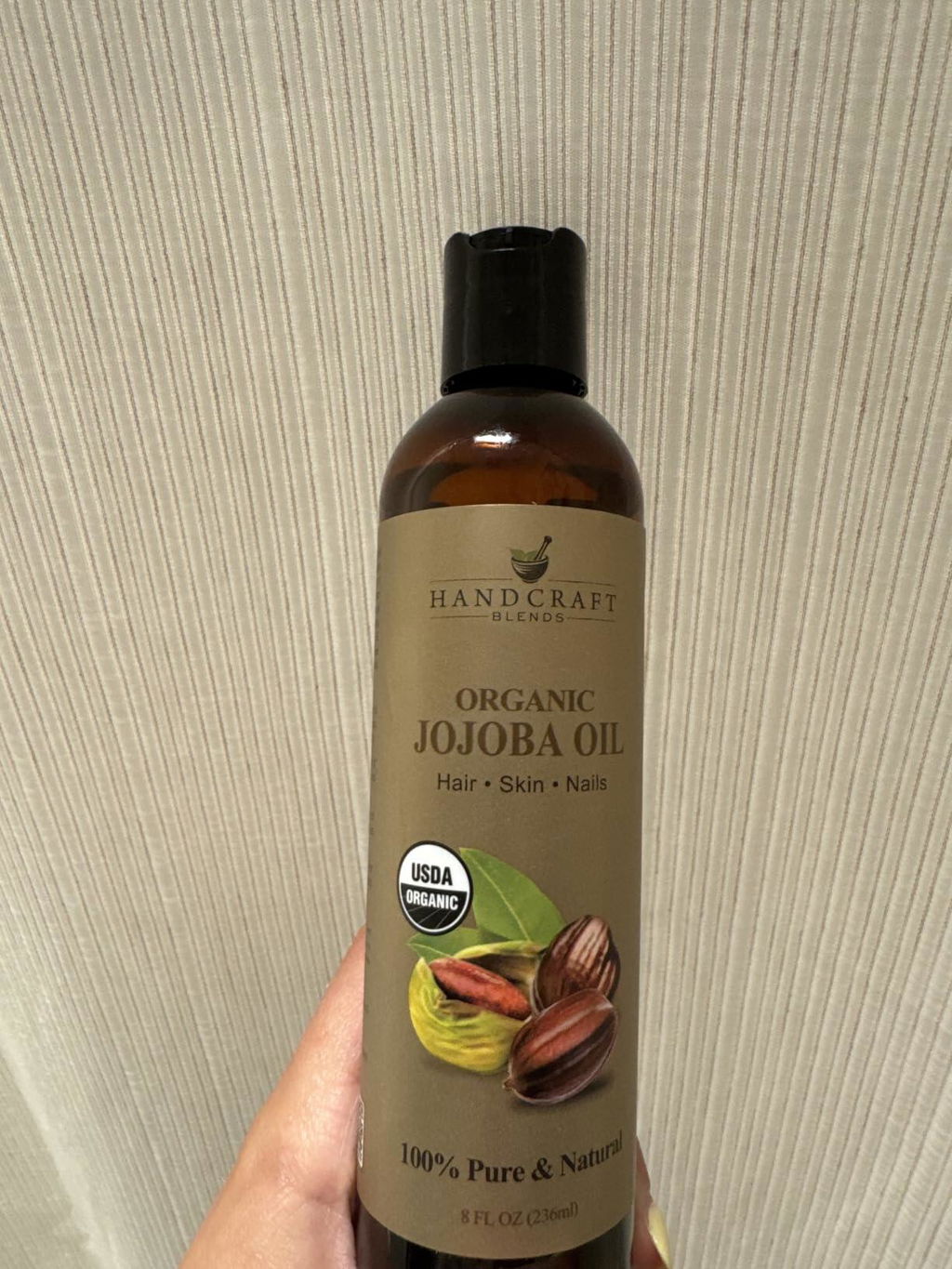
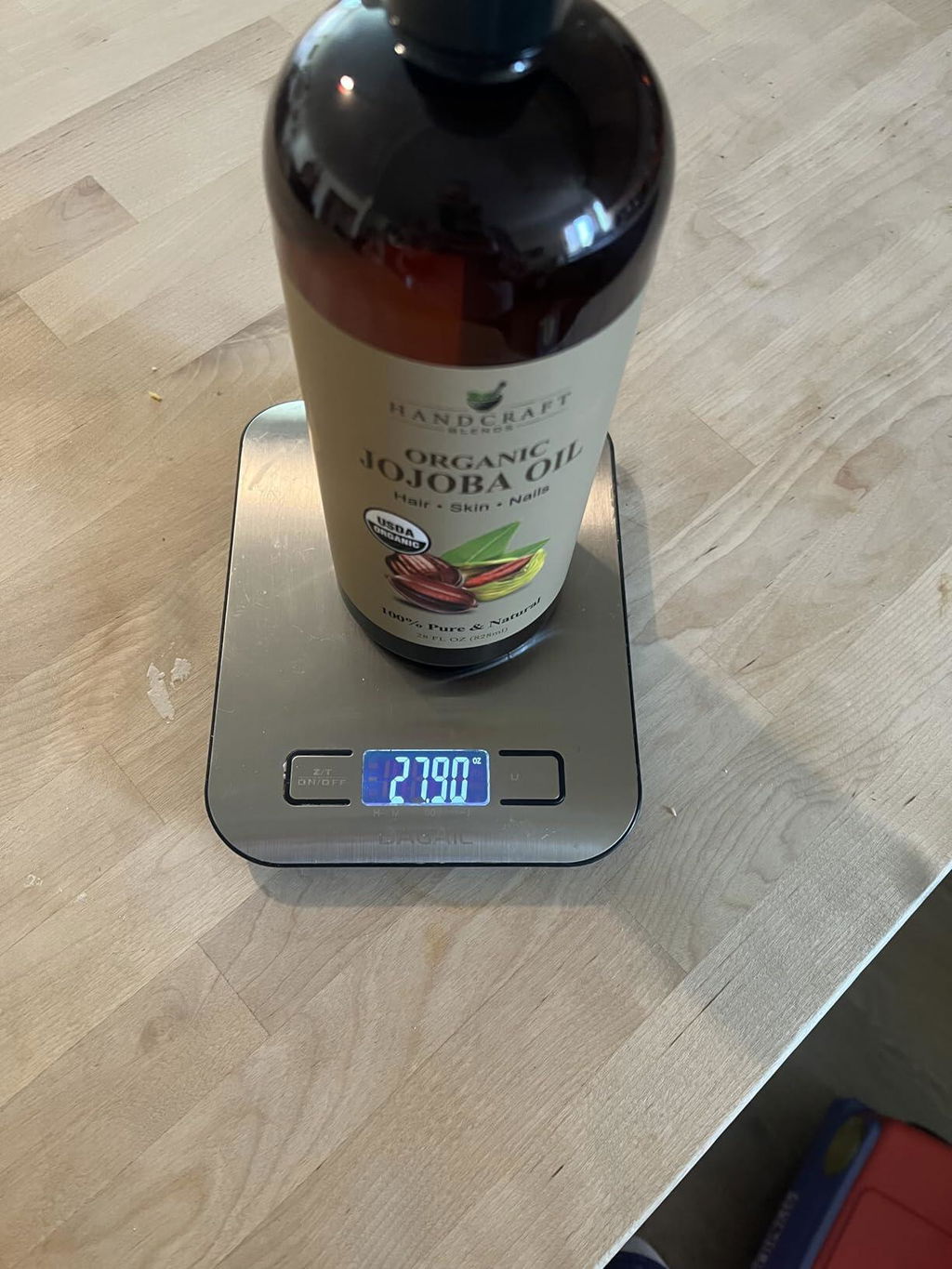
Mine arrived very well sealed. Plastic seal completely with a lid seal as well. I am disappointed a bit that it is only 27.9 oz when its supposed to be 28 oz. Will update after using it
Love this jojoba oil! I use this in my tallow skincare and the benefits of both are outstanding! I purchased this now a couple times. Love the fact its organic. I use alone on nail cuticles and it softens them up beautifully.
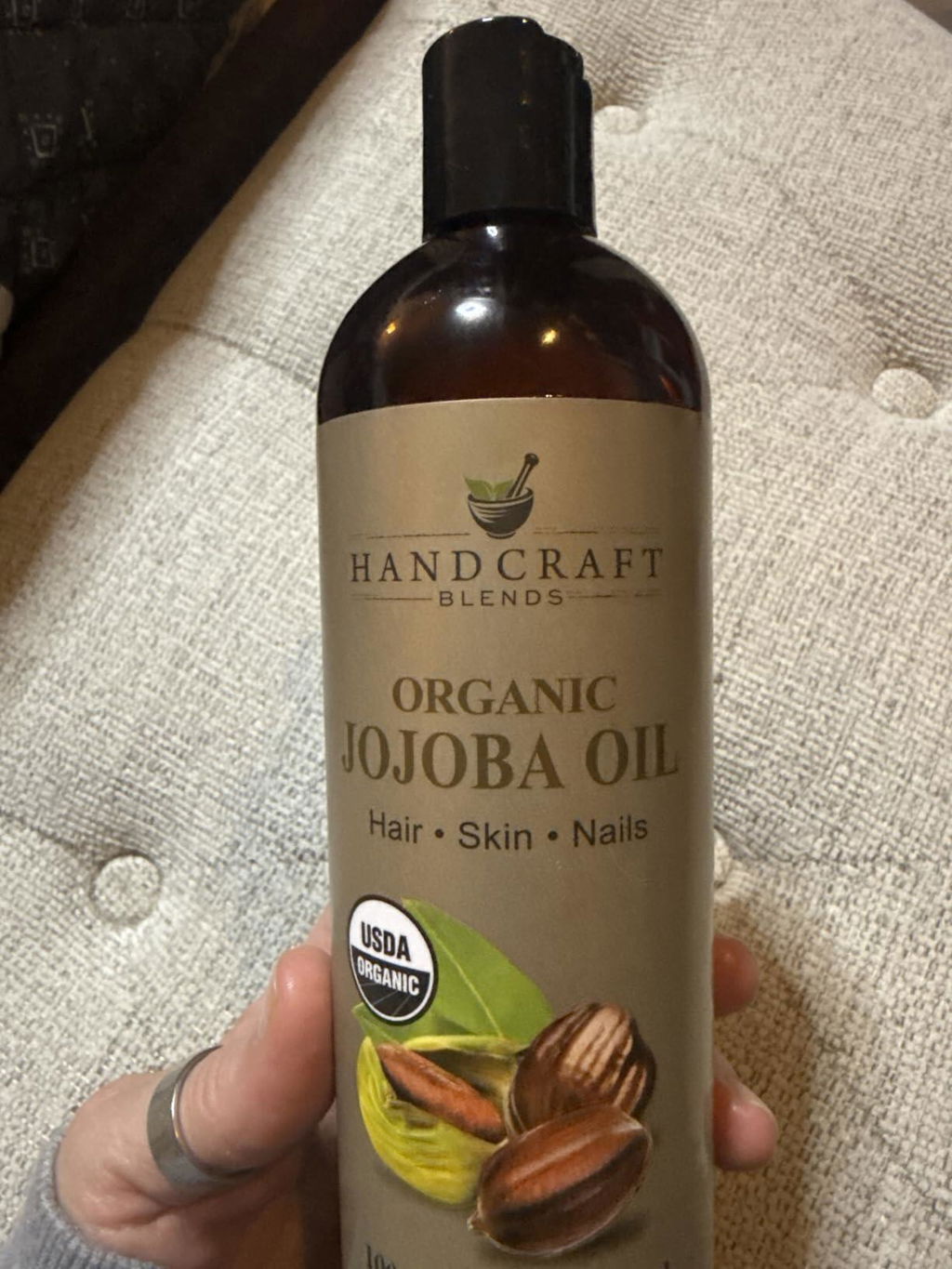
Love it came in faster than expected it makes my skin feel soft and my hair smooth and shiny.
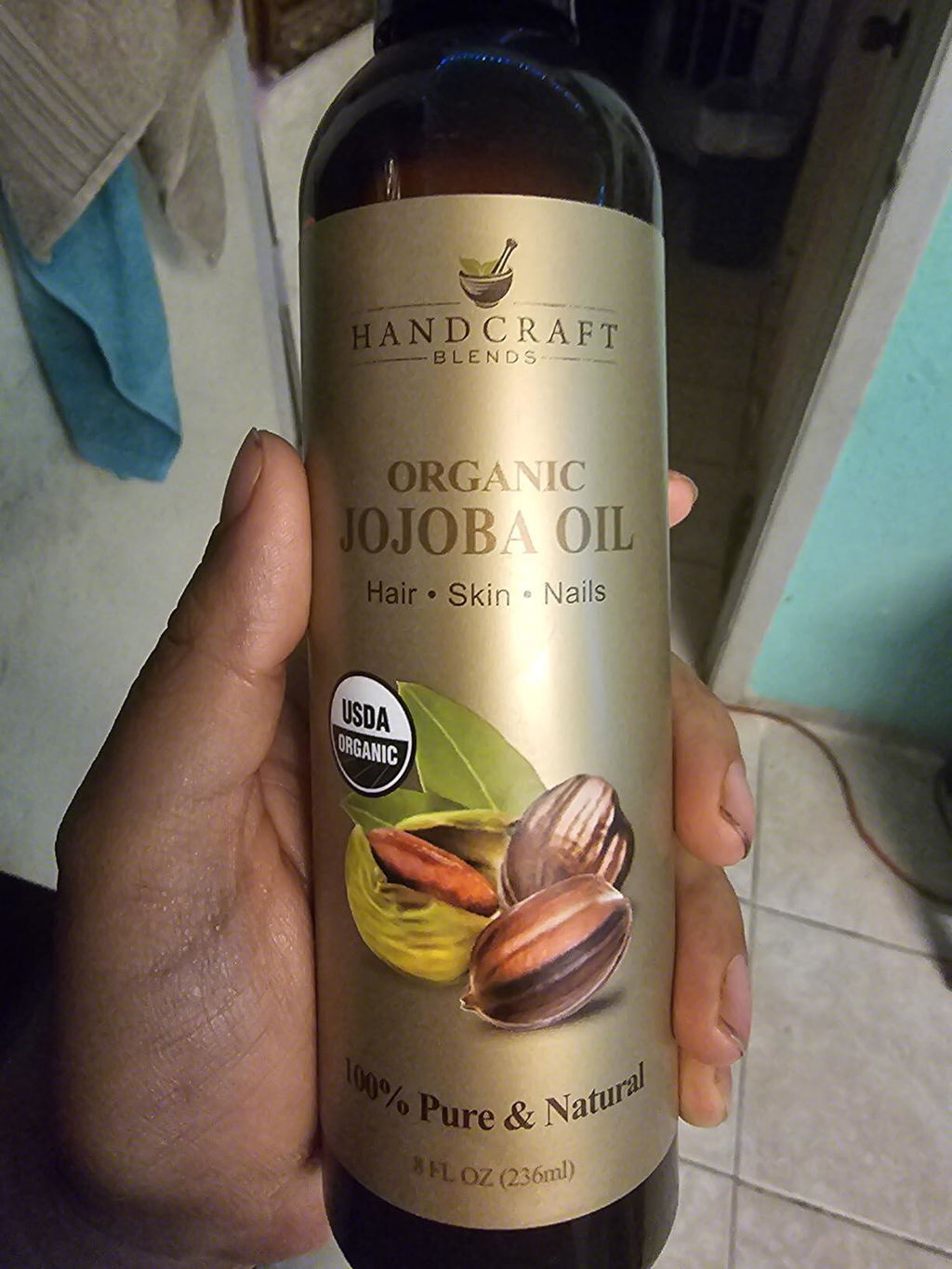
I read where others had issues with packaging and wanted to share they may have heard you! My oil came well packaged and no problems. Great product as Ive noticed a change in my skin feeling smoother
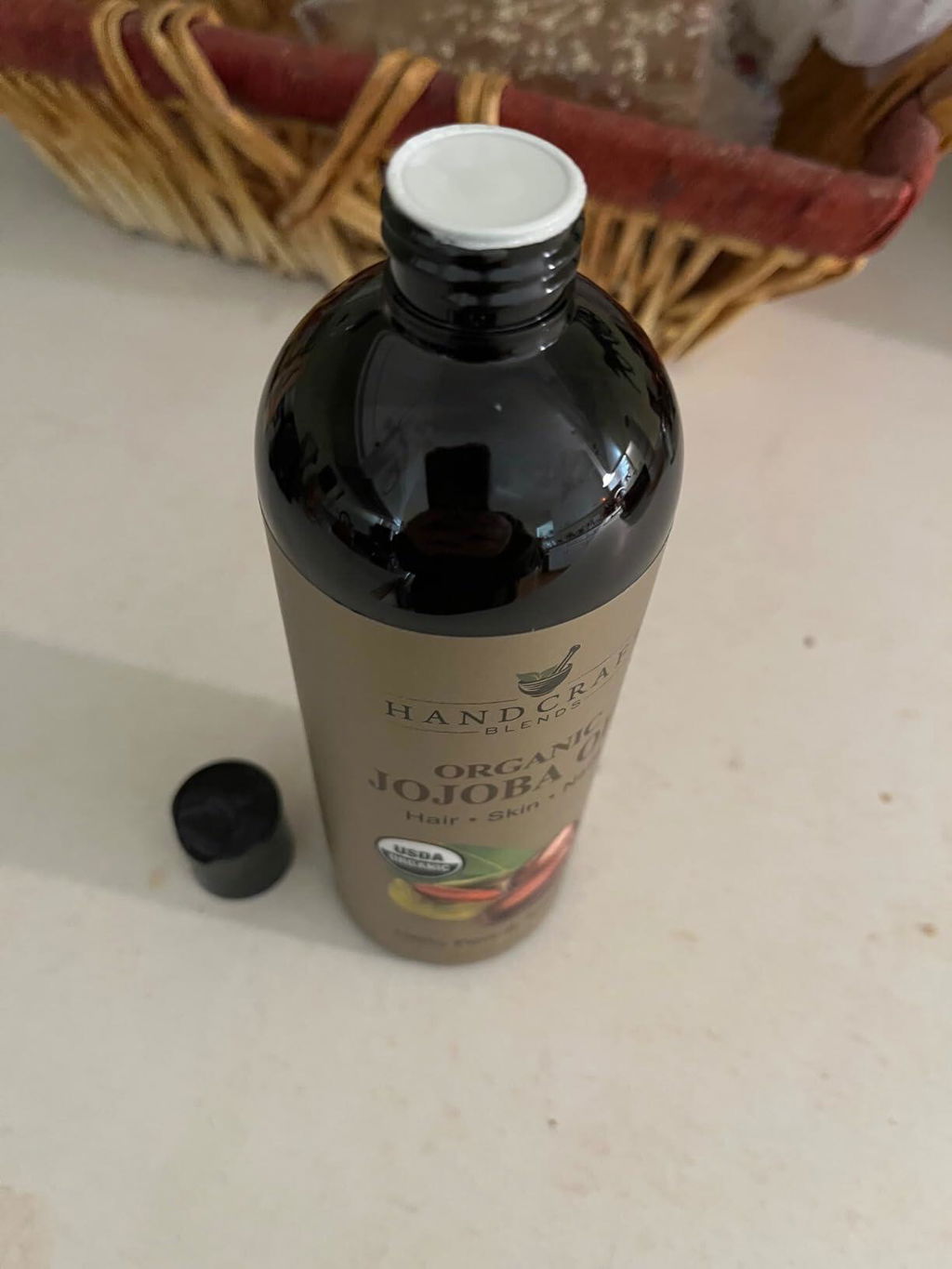
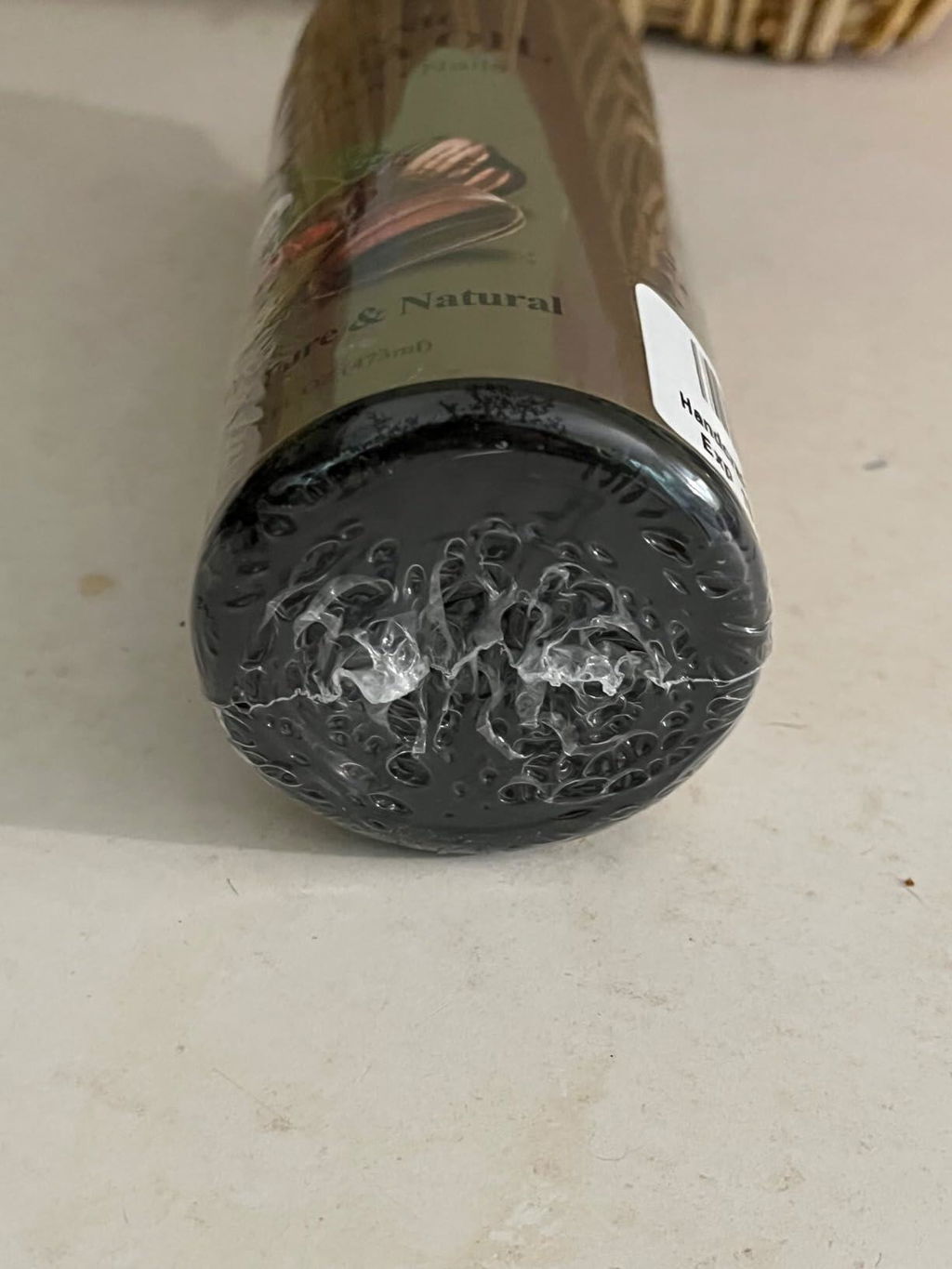
I've been using this for a little over 2 weeks and as u can see, my hair is growing. This is the only product that I'm using and I recently added fresh rosemary to my oil. It works! Sabrinaluxs on all platforms.
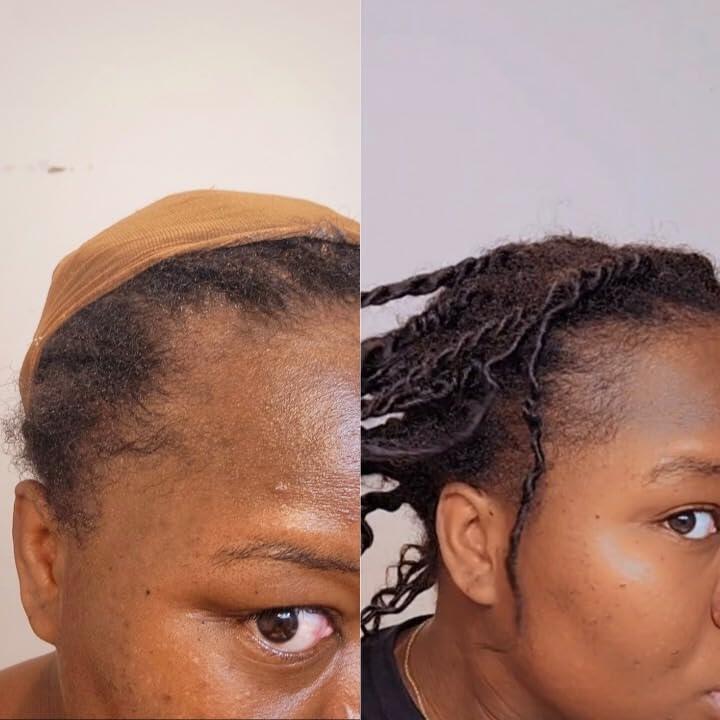
I like to make my own skin products. This is the best jojoba oil I have gotten so far. I like the consistency, the odor is very soft and how it blends with other oils and products I use. I definitely will continue buying it.
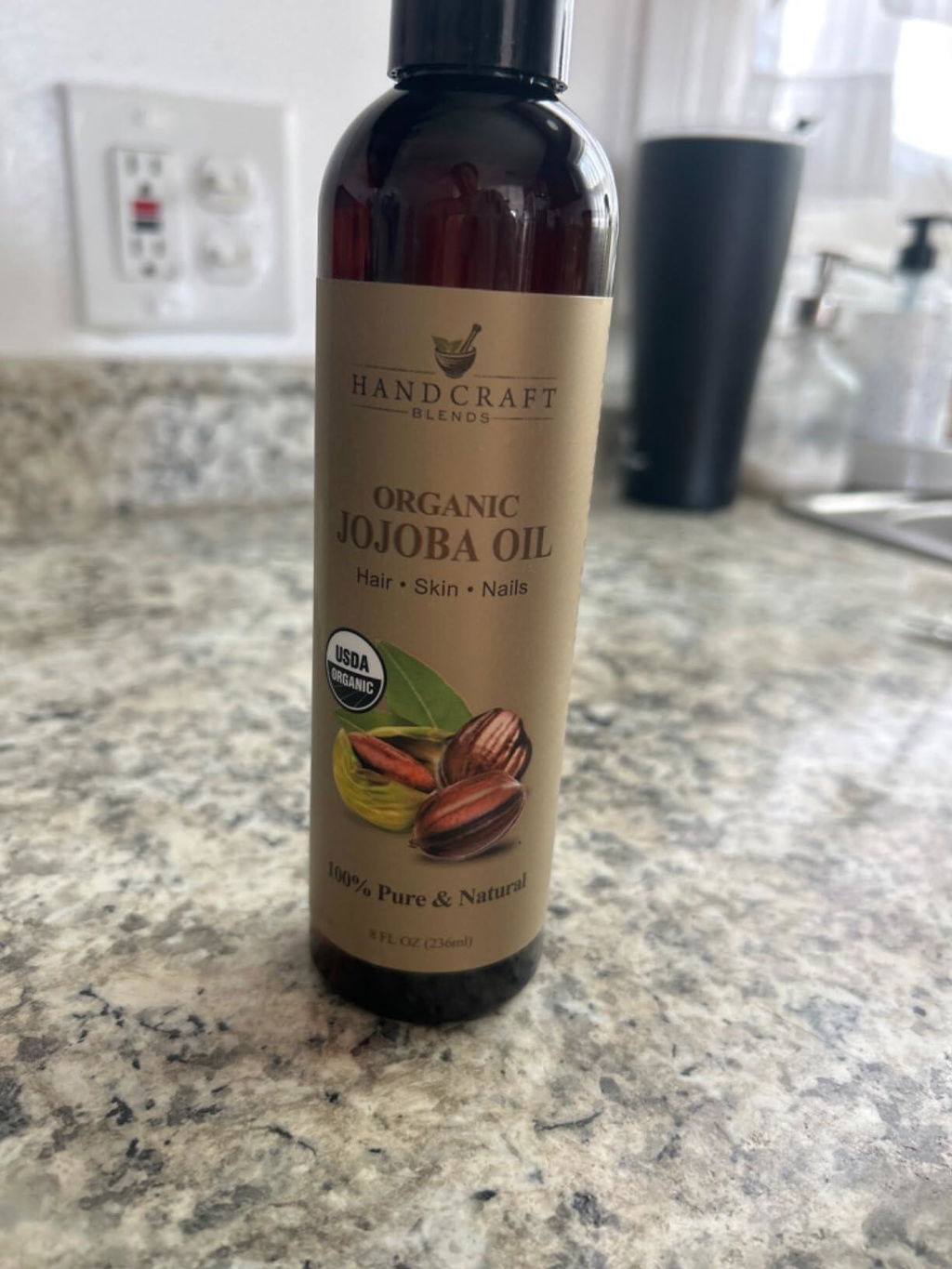
ORIGINAL REVIEW: But was open and the oil spilled out. Will be asking for a replacement. This is a good product but deducting 3 stars for the shipping spillage. One I receive full replacement bottle I will update my review. UPDATED REVIEW 7082024 Received my replacement bottle of this product and it came unopened. I have bought this product from this seller multiple times and it is always good quality and good value for the money. I use it as a skin and hair product. I am now changing my stars to 5 stars because the product does what it says.
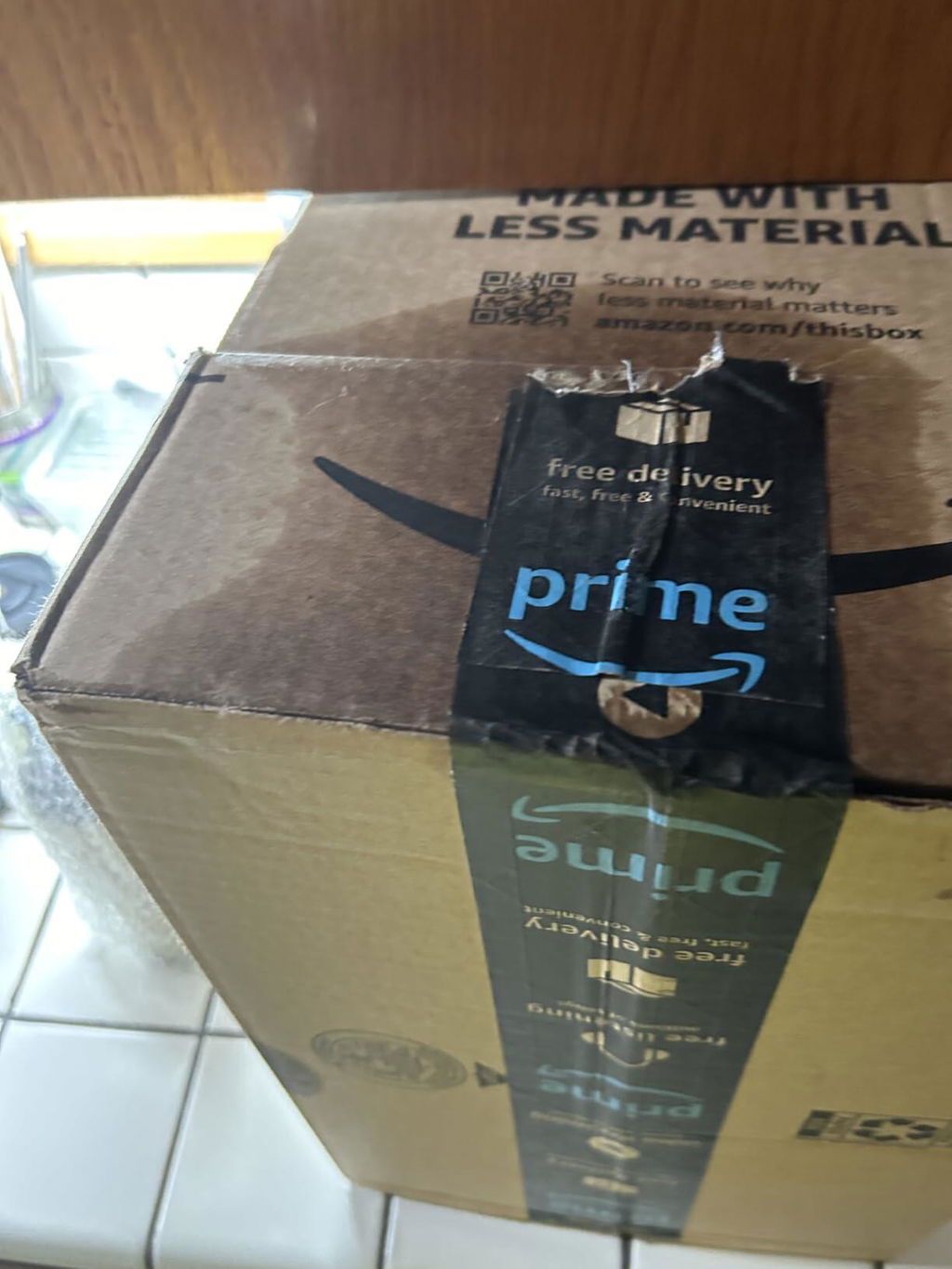
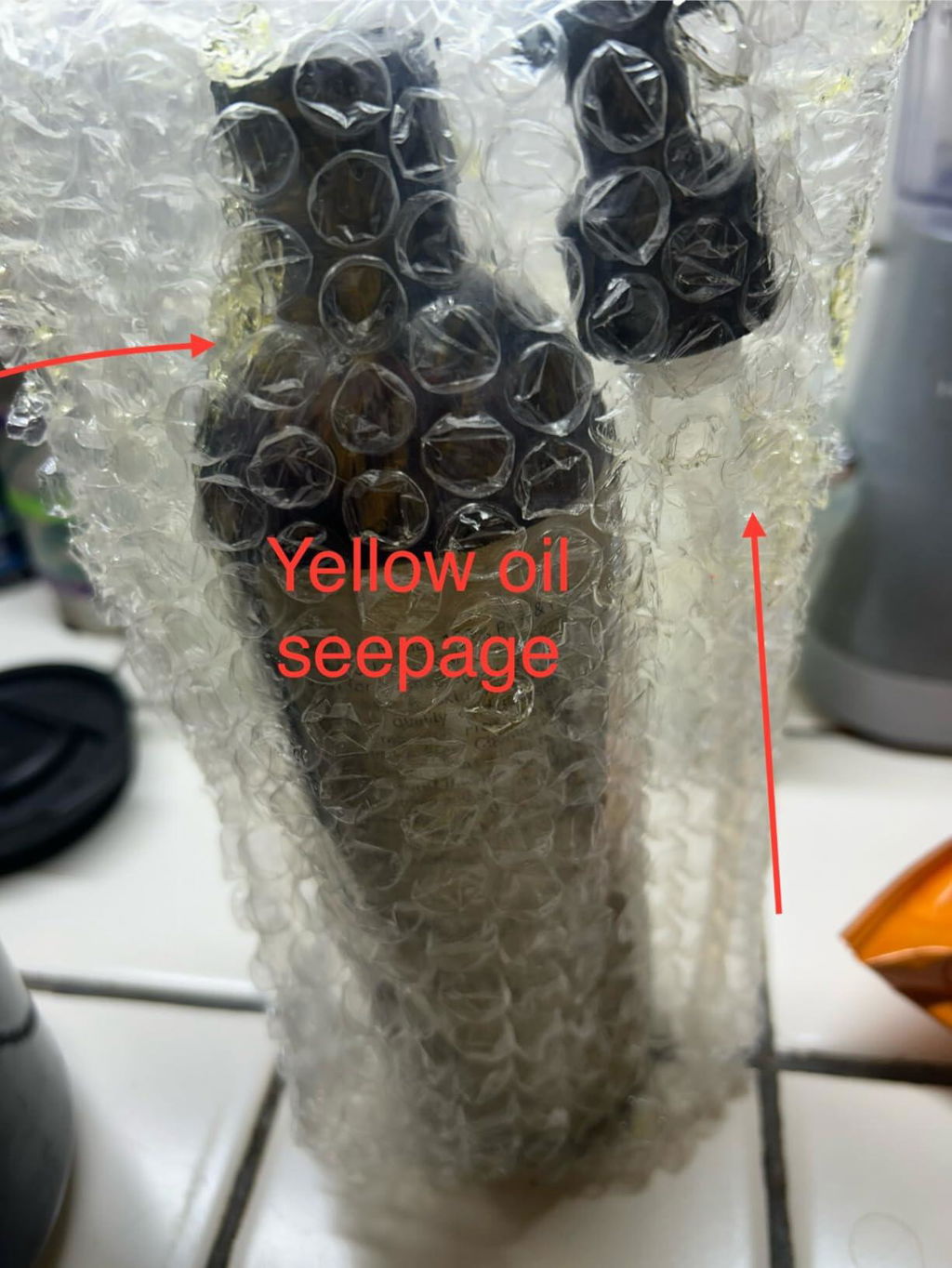
I bought this to use in some mustache wax I'm making my Husband since he preferred Jojoba Oil over coconut oil. It arrived today, it was wrapped in plastic and the bottles tamper proof seal was intact, but it still managed to leak in the box it was in . Now it doesn't look like it leaked too much out of the bottle , but still not happy about it... its a good thing the other items In the box weren't something that could be damaged by it . Other than that issue I'm still happy with the oil itself ...what got on my hands while opening the packaging smelt nice and now my hands are kinda smooth as well . However I'm not sure I will order another bottle from this company since it clearly has a leaking issue!