CERTIFICATE OF ANALYSIS - GC PROFILING (COA & GC/MS)
Independent lab testing on file for this product.
View report (PDF)

Exotic floral aroma with sweet tropical notes, a beautiful scent for relaxing diffuser blends, and a favorite for perfumes, candles & DIY body care.
Couldn't load pickup availability
 Free delivery on orders over $25
 30 days money-back guarantee


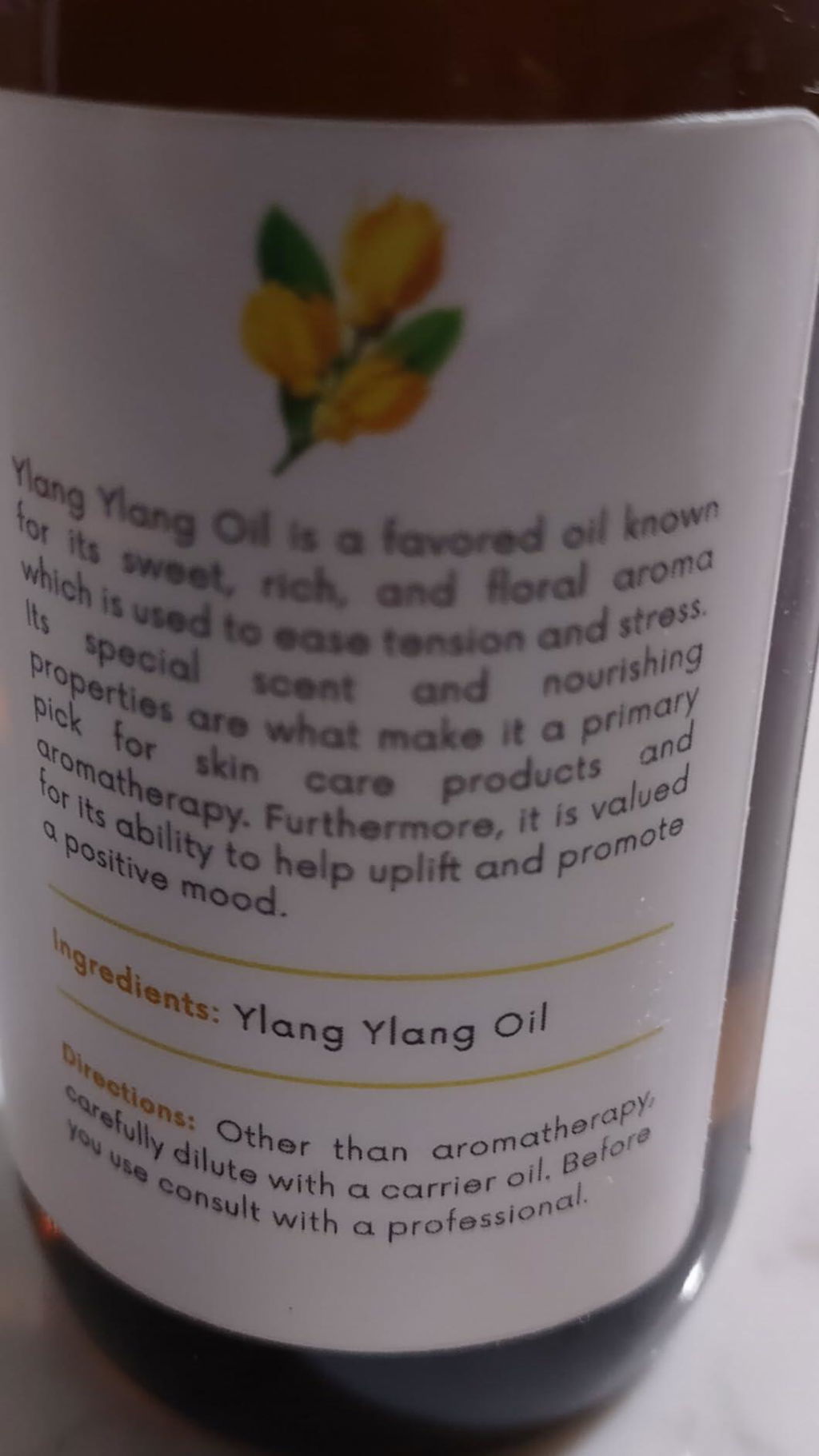
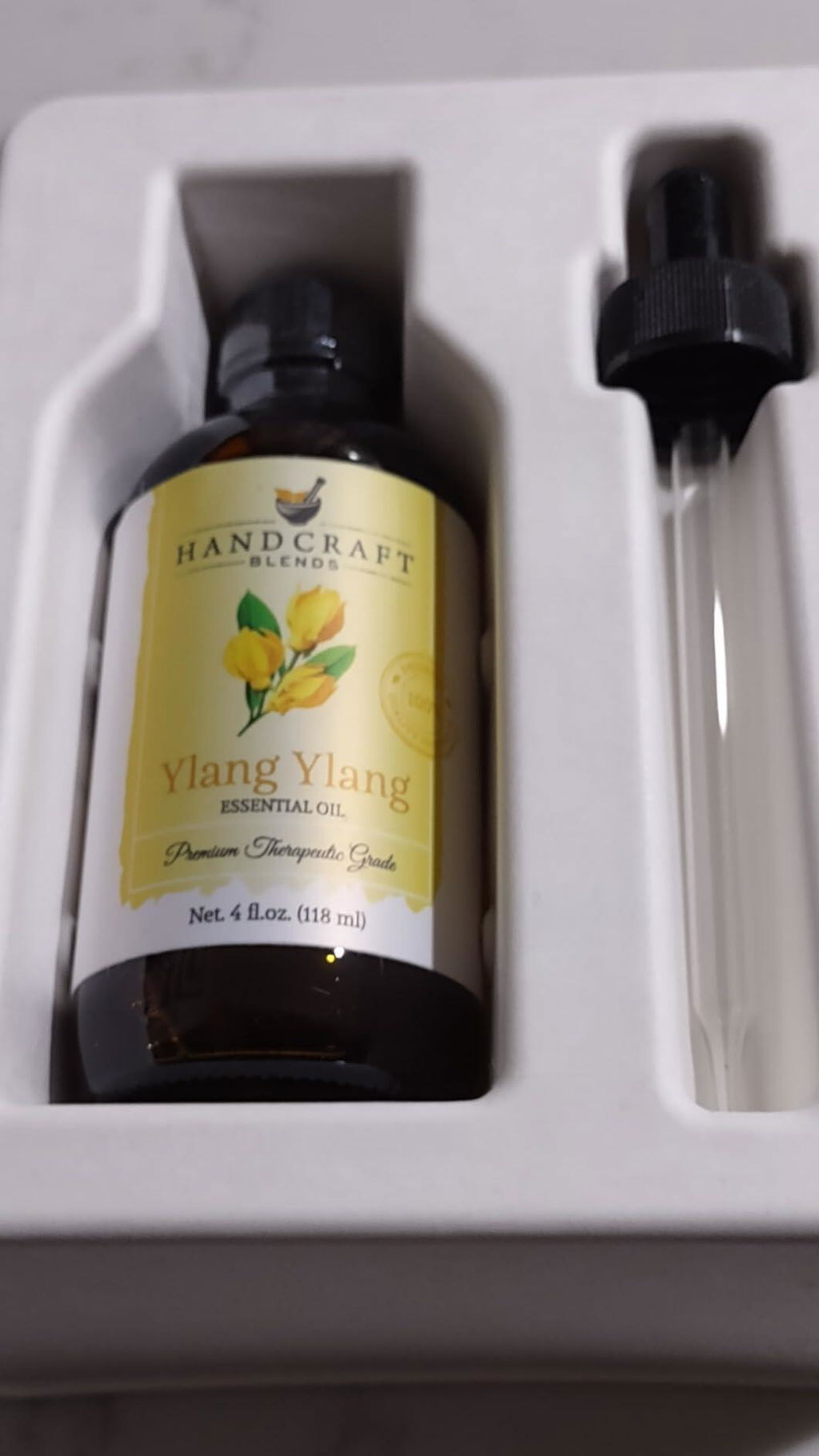
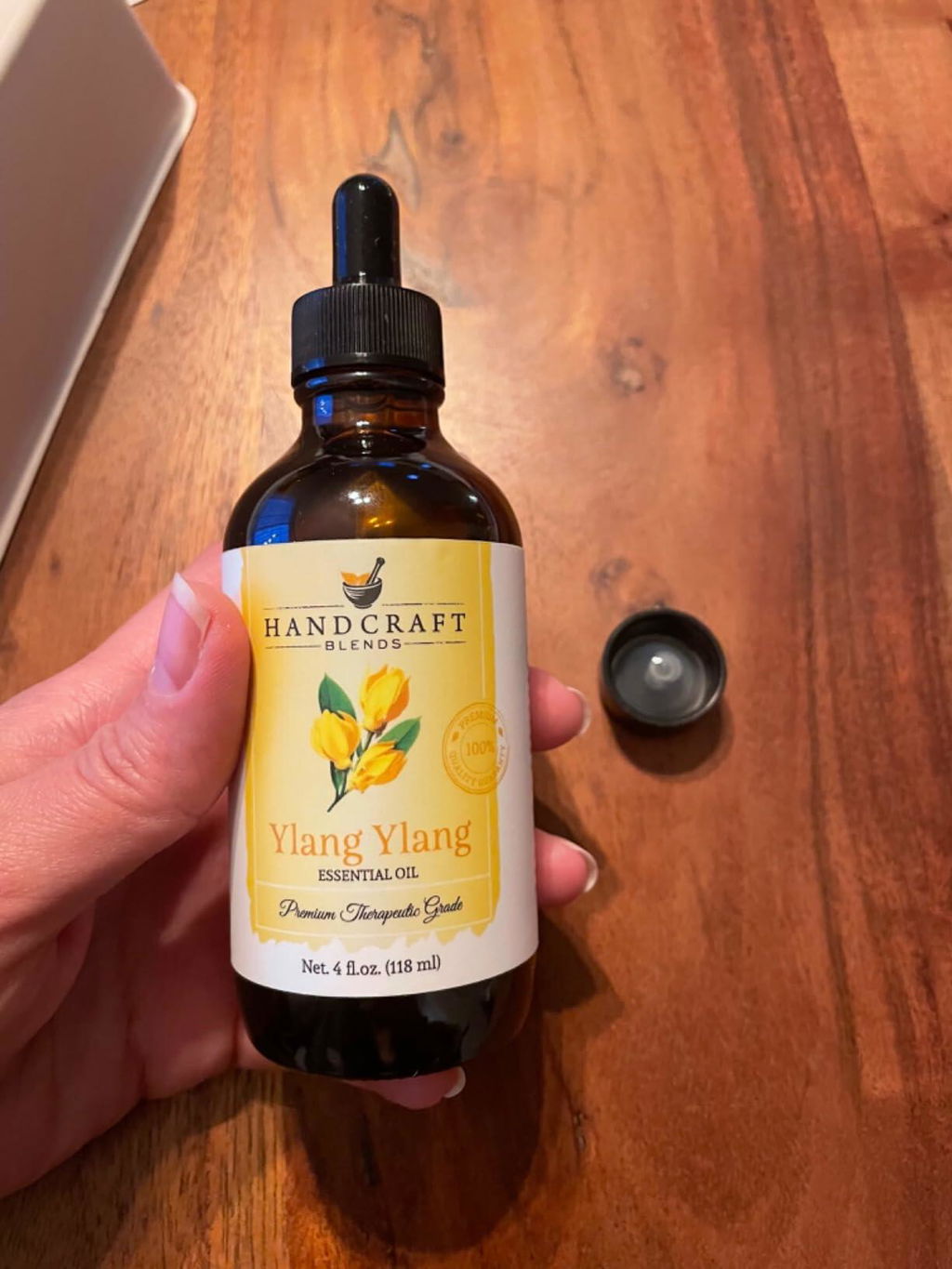
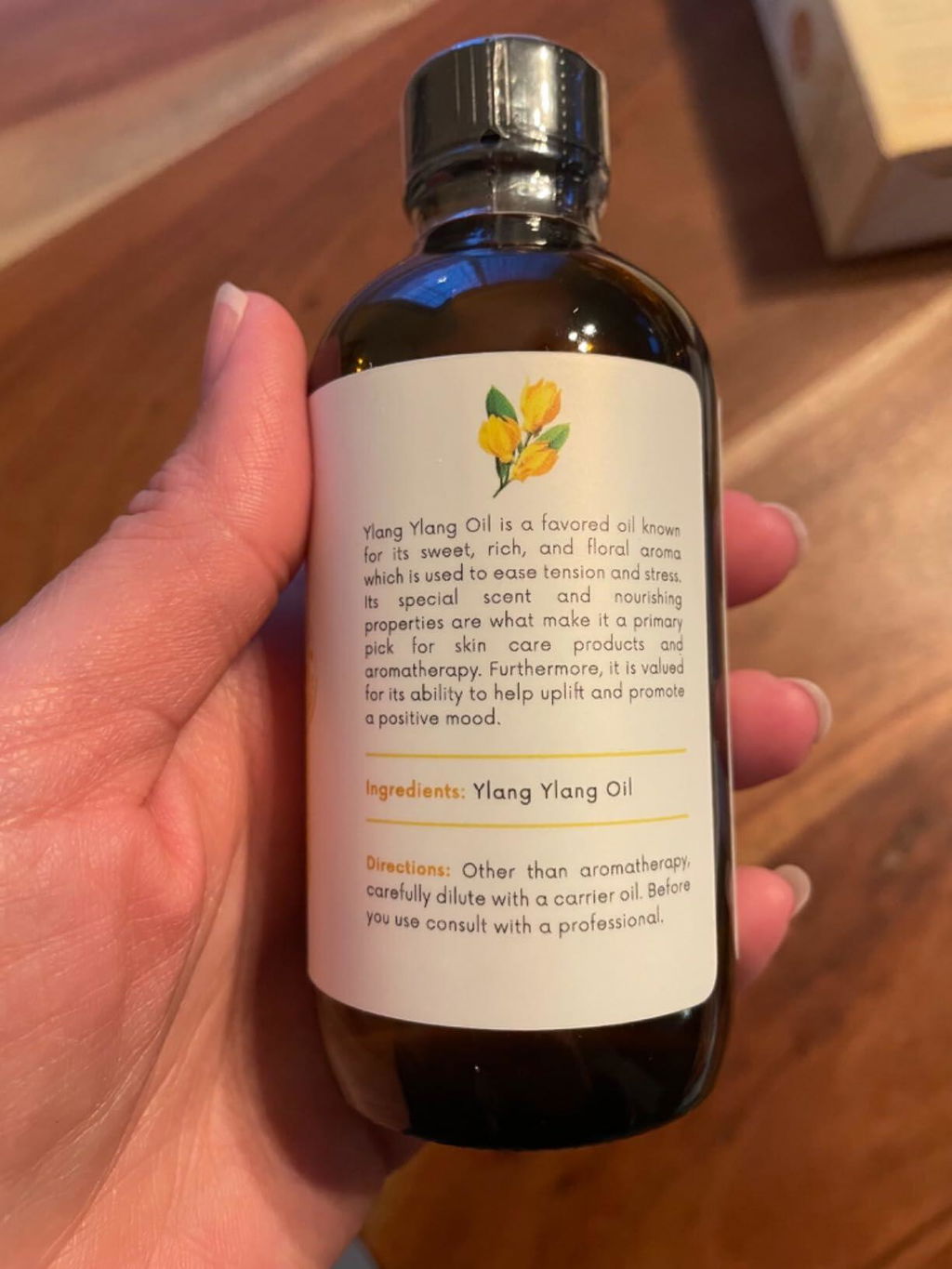
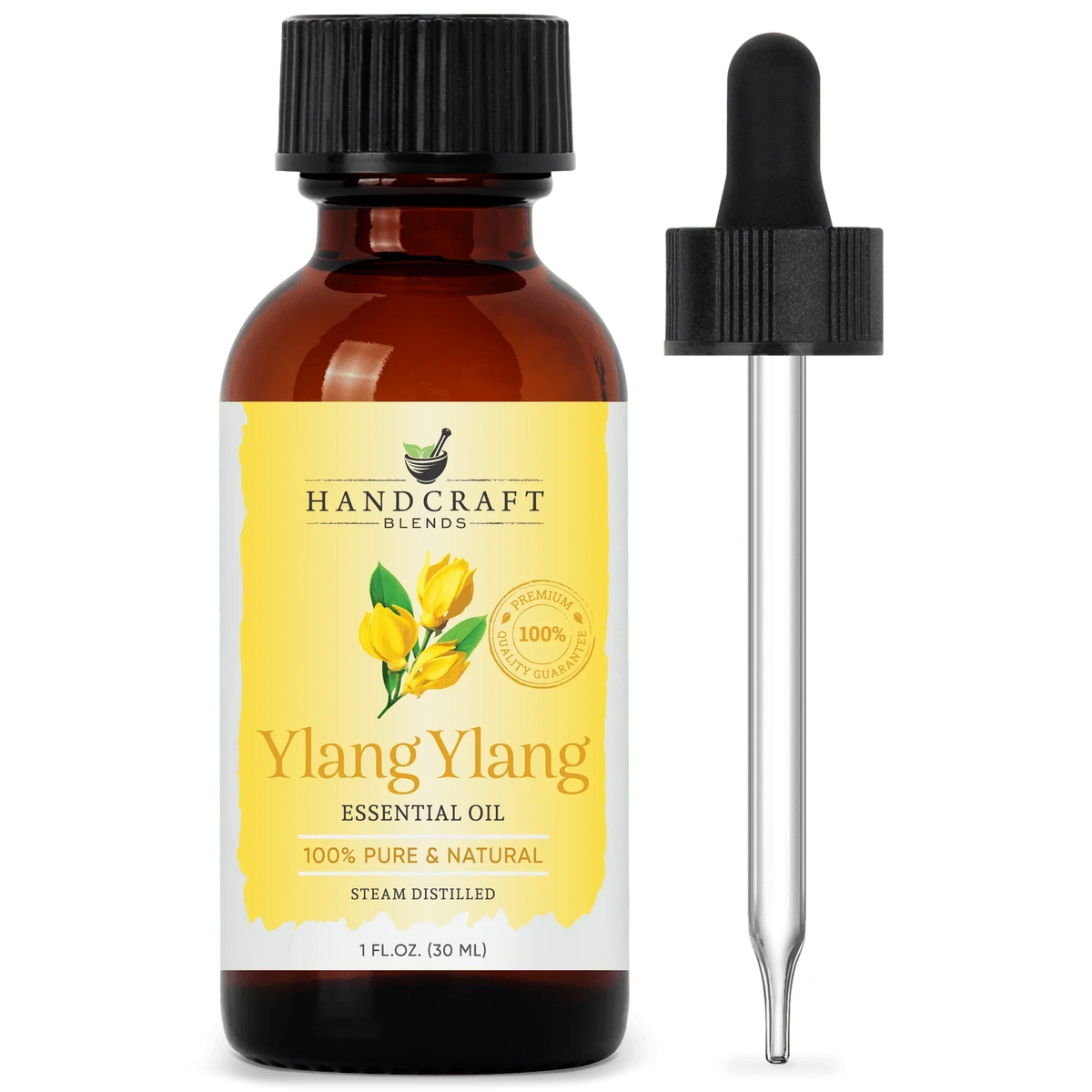
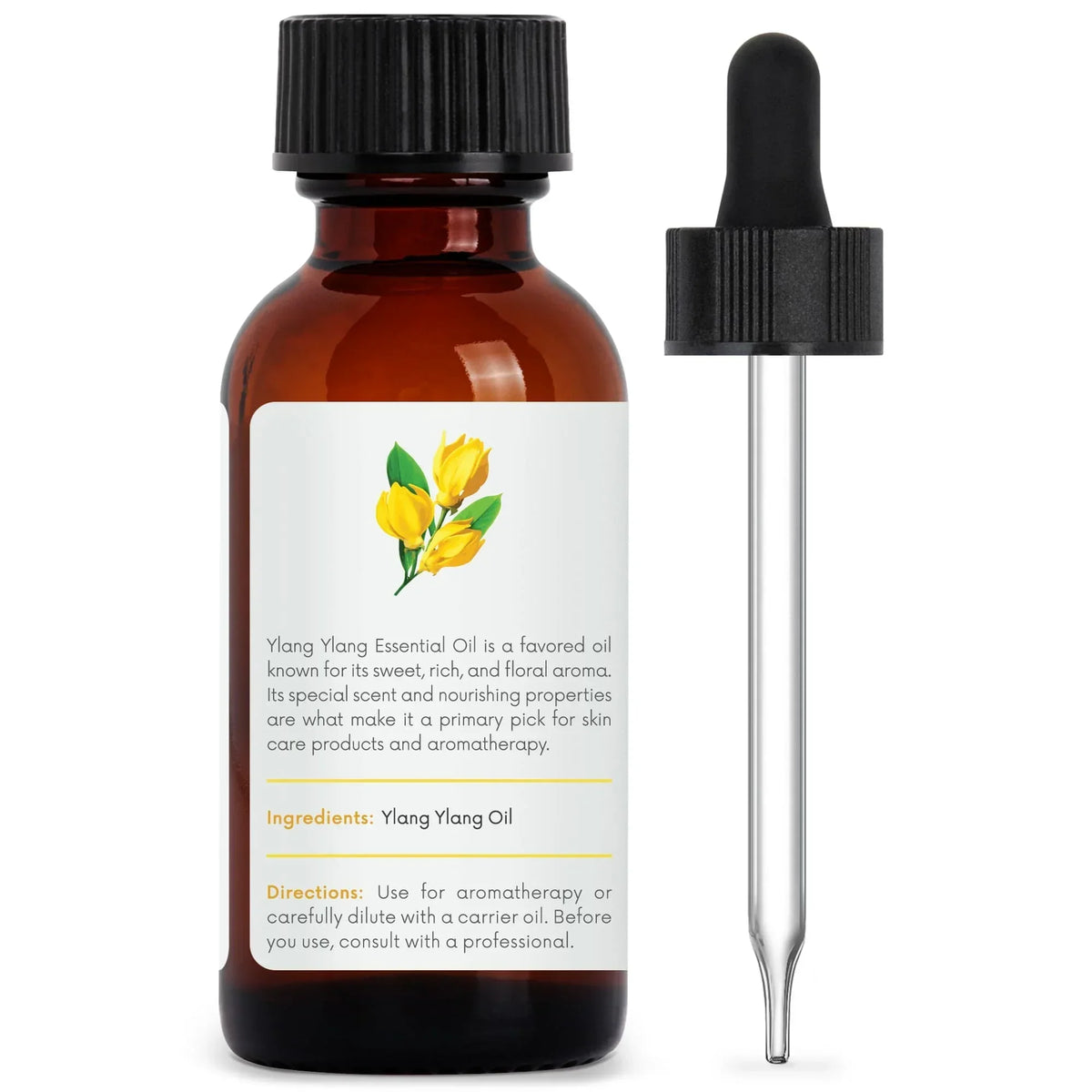
Handcraft Blends Ylang Ylang Essential Oil is a 100% pure and natural, steam-distilled oil with a rich tropical-floral aroma. Made from Cananga odorata sourced from Madagascar, it combines creamy sweetness with fruity, green, and woody nuances for diffusers, perfume accords, soaps, candles, and compatible cosmetic formulas.
Ylang ylang has a full-bodied floral scent that is sweeter and richer than delicate florals such as lavender. It opens with lush blossom and ripe-fruit notes, develops a smooth creamy character, and leaves a softly warm floral impression.
The aroma is concentrated and persistent, so begin with the lowest practical amount and add more only after the fragrance has dispersed.
Follow the instructions supplied with the diffuser. Handcraft Blends recommends approximately 3–5 drops per 100 mL of water. For a softer result, begin below the upper end of that range and allow the fragrance to disperse before adding more.
Ylang ylang can become dominant when overused. Use in a well-ventilated area, stop if the aroma causes discomfort, and keep the bottle and device away from children and pets.
Handcraft Blends lists Bergamot, Cedarwood, Clary Sage, Geranium, Lavender, Lemon, Neroli, Patchouli, Rose, Rosemary, Sandalwood, and Vetiver among its suggested pairings.
Bergamot and Lemon add brightness; Cedarwood, Sandalwood, Patchouli, and Vetiver create a drier base; and Lavender, Geranium, Rose, and Neroli build a layered floral accord. Introduce ylang ylang gradually and record the formula.
Ylang ylang works well as a floral heart note, connecting bright top notes with deeper wood or resin notes. Test it at a low level so it supports rather than overwhelms the composition.
Before adding it to soap, wax, or another base, check compatibility and follow the supplier’s usage-rate and temperature guidance. Make a trial batch because heat, curing, and base composition can alter the fragrance.
Ylang ylang is covered by an IFRA restriction based on dermal sensitization, and the permitted concentration varies substantially by finished-product category. A single general dilution is therefore not suitable for every hair, massage, body, facial, or perfume application.
Do not add the oil directly to shampoo, conditioner, lotion, or a carrier oil using an estimated number of drops. Consult the current SDS, batch-specific analytical data, applicable IFRA category limit, and a qualified formulation professional. Patch test only a correctly formulated finished product.
Ylang ylang is richer, creamier, and more fruit-forward than lavender. Geranium has a greener rosy character, while palmarosa is lighter and fresher with a rose-like note. Choose ylang ylang when a fragrance needs a substantial tropical-floral heart rather than a light floral accent.
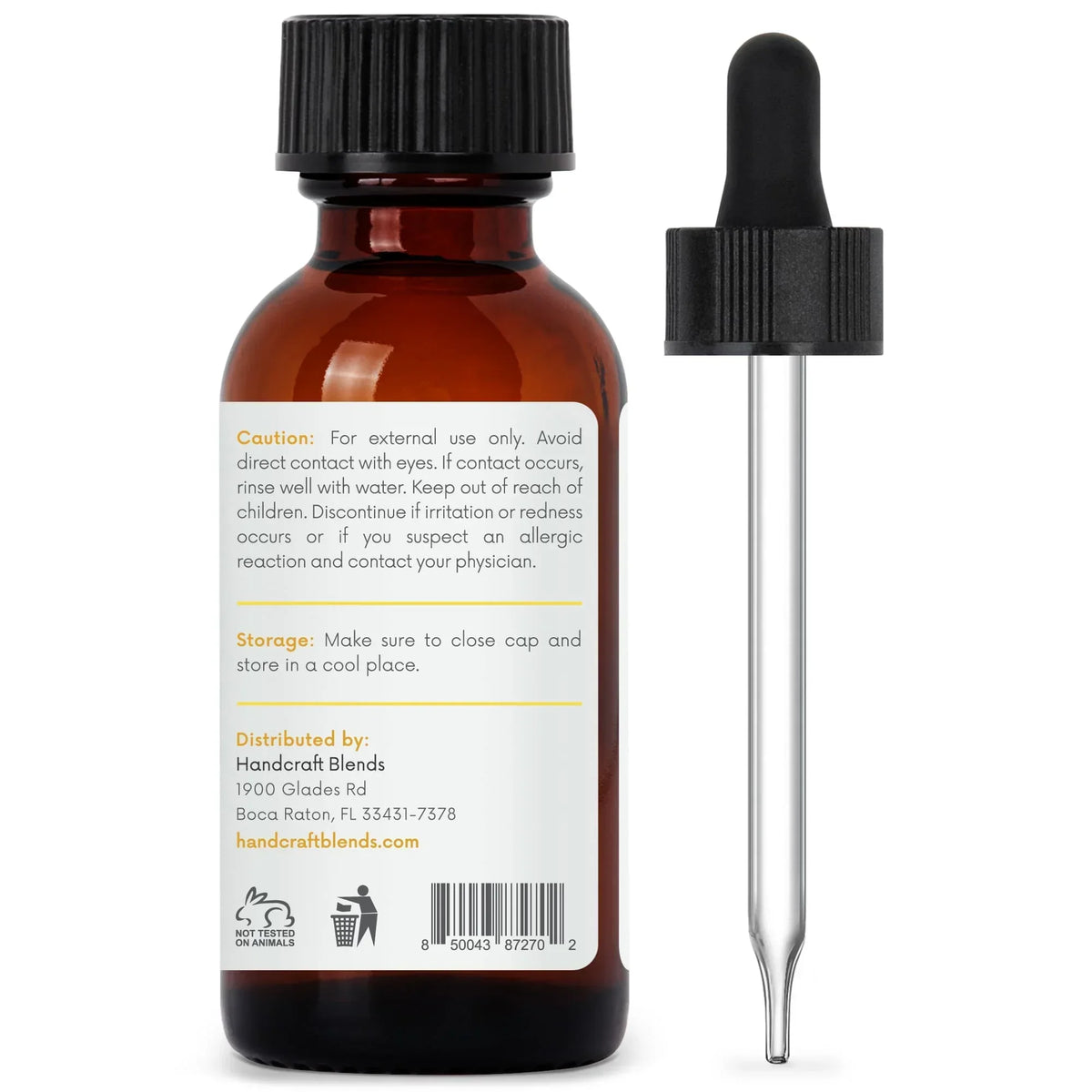
Warning: For external use only. Do not ingest or apply undiluted. Avoid contact with eyes, mucous membranes, sensitive areas, and damaged skin. Use in topical products only within the applicable category-specific limit. Keep out of reach of children and pets. Discontinue use if discomfort occurs.


Everything that goes into this bottle — and nothing else.
Cananga odorata
Ylang Ylang
Steam Distilled
Floral and Fruity
Relax, Massage, Hair, and Sleep
Madgascar
Every batch of Handcraft Blends oils is tested by a third-party lab before it ships. These are the reports on file for this product.
Independent lab testing on file for this product.
View report (PDF)Independent lab testing on file for this product.
View report (PDF)Independent lab testing on file for this product.
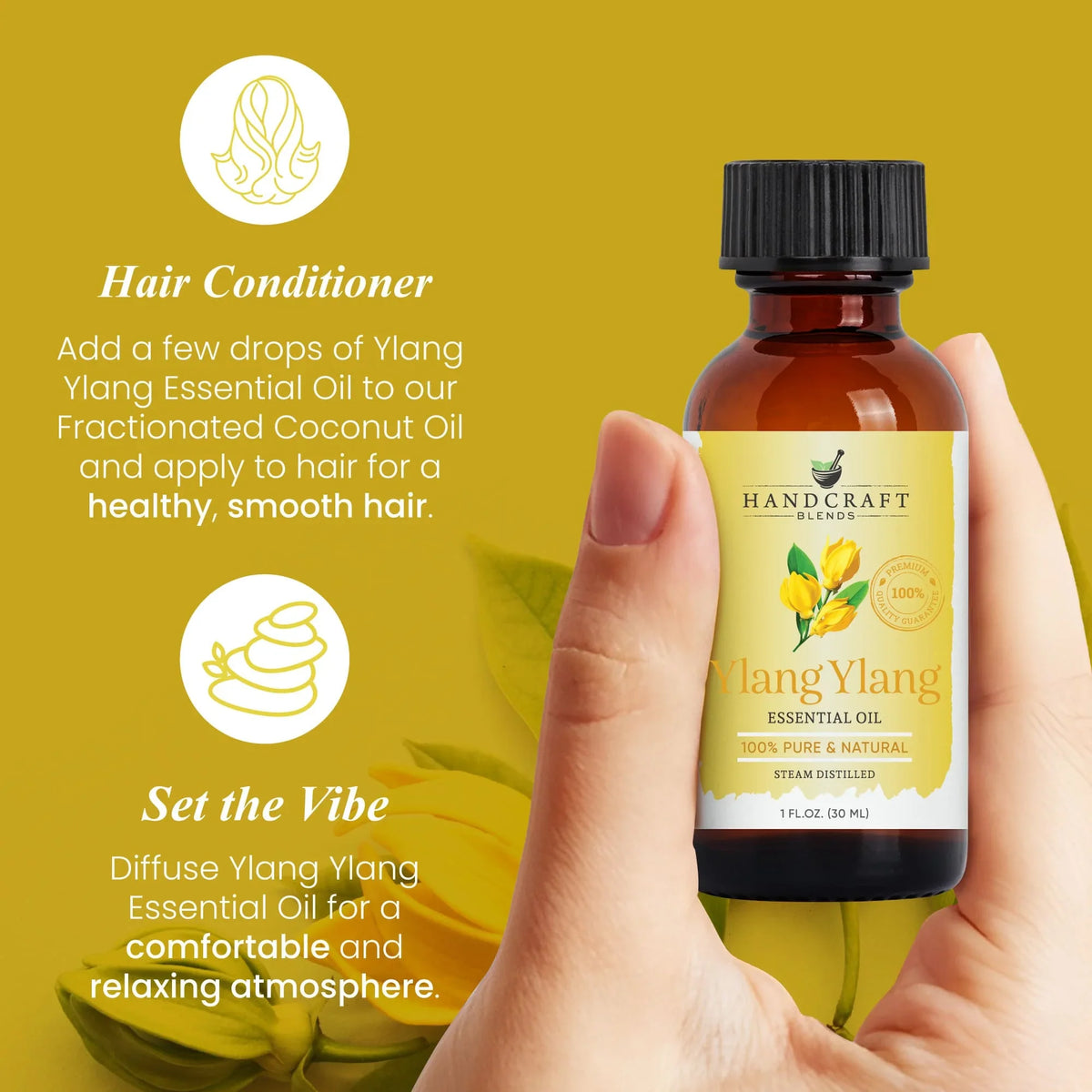
View report (PDF)Ylang Ylang Essential Oil has a rich, exotic floral aroma that’s perfect for creating a comfortable and relaxing atmosphere. Its scent works beautifully when diffused and, when properly diluted in a carrier oil, can be part of hair conditioning and self-care routines that help hair feel smooth and nourished.
Diffuse ylang ylang essential oil using about 3–5 drops per 100 mL of water in your favorite diffuser to fill your space with a warm, floral aroma. Its soothing scent helps create a calm, inviting environment for relaxing moments at home.
For hair conditioning, dilute ylang ylang essential oil in a carrier oil such as fractionated coconut oil. A typical dilution is up to 1–2% — roughly 6–12 drops of ylang ylang oil per ounce (30 mL) of carrier. Apply the diluted blend to the mid-lengths and ends of your hair to help smooth and nourish strands.
Good to know
Warning: For external use only. Ylang ylang essential oil must be diluted before applying to the skin or hair. Avoid contact with eyes and sensitive areas. Perform a patch test before first use and discontinue if irritation occurs. Keep out of reach of children and pets.
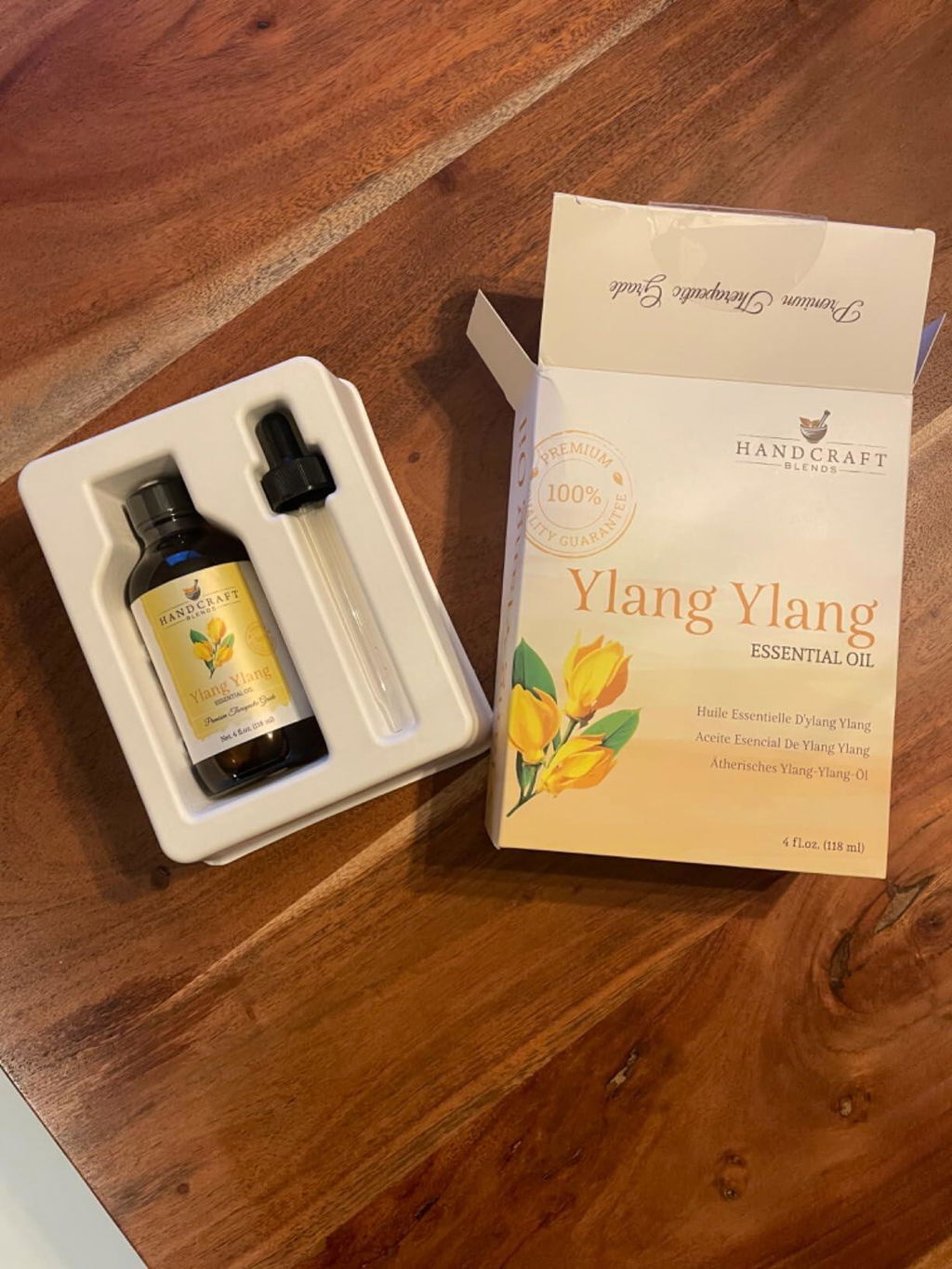
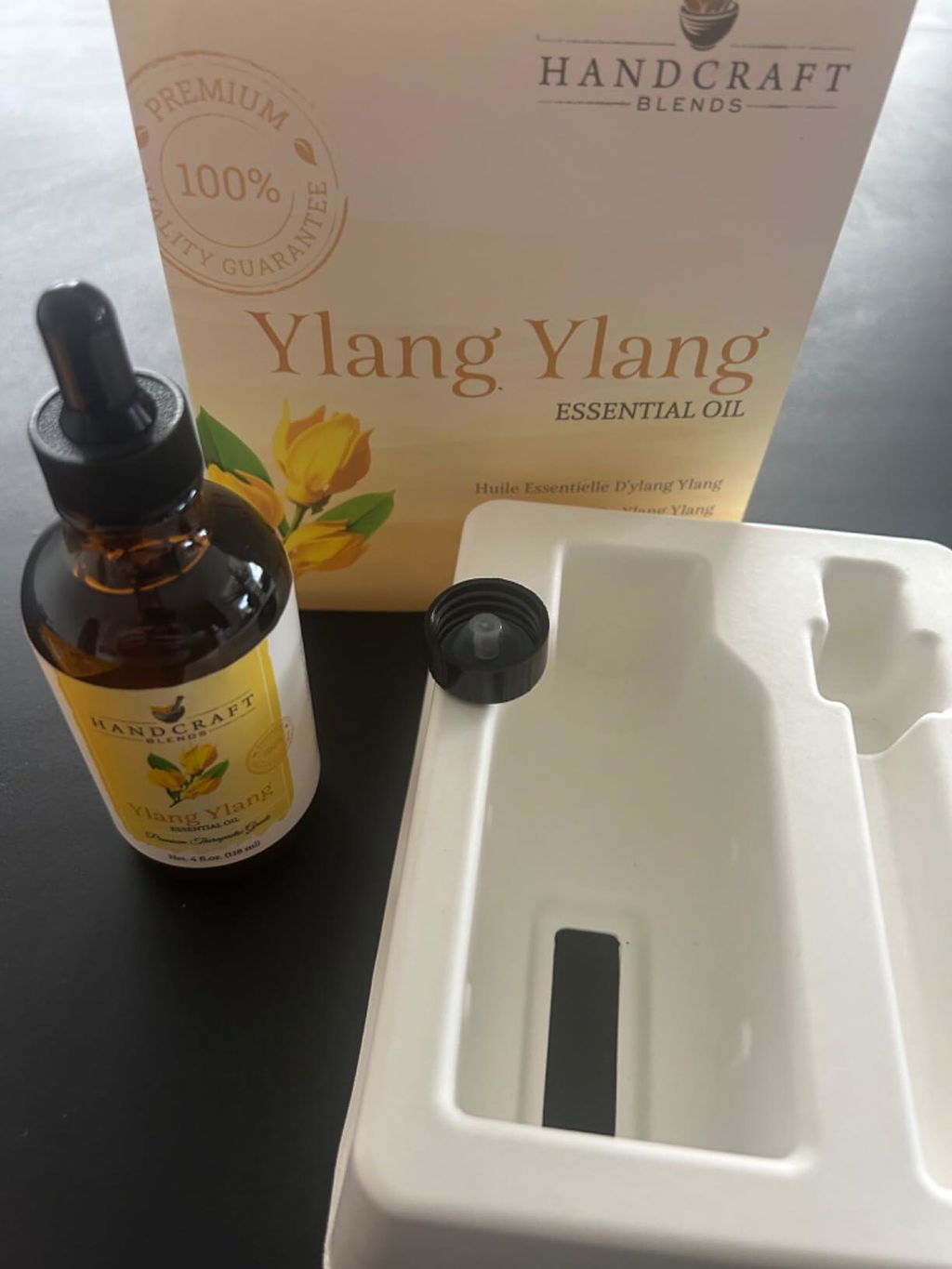
Customers praised this essential oil for its authentic, strong floral scent, describing it as "long-lasting" and "divine." Many appreciated the generous 4oz bottle size and included dropper. While most loved the fragrance for diffusers and DIY products, some found the scent overpowering or distasteful. A few noted packaging issues with loose lids causing leakage.
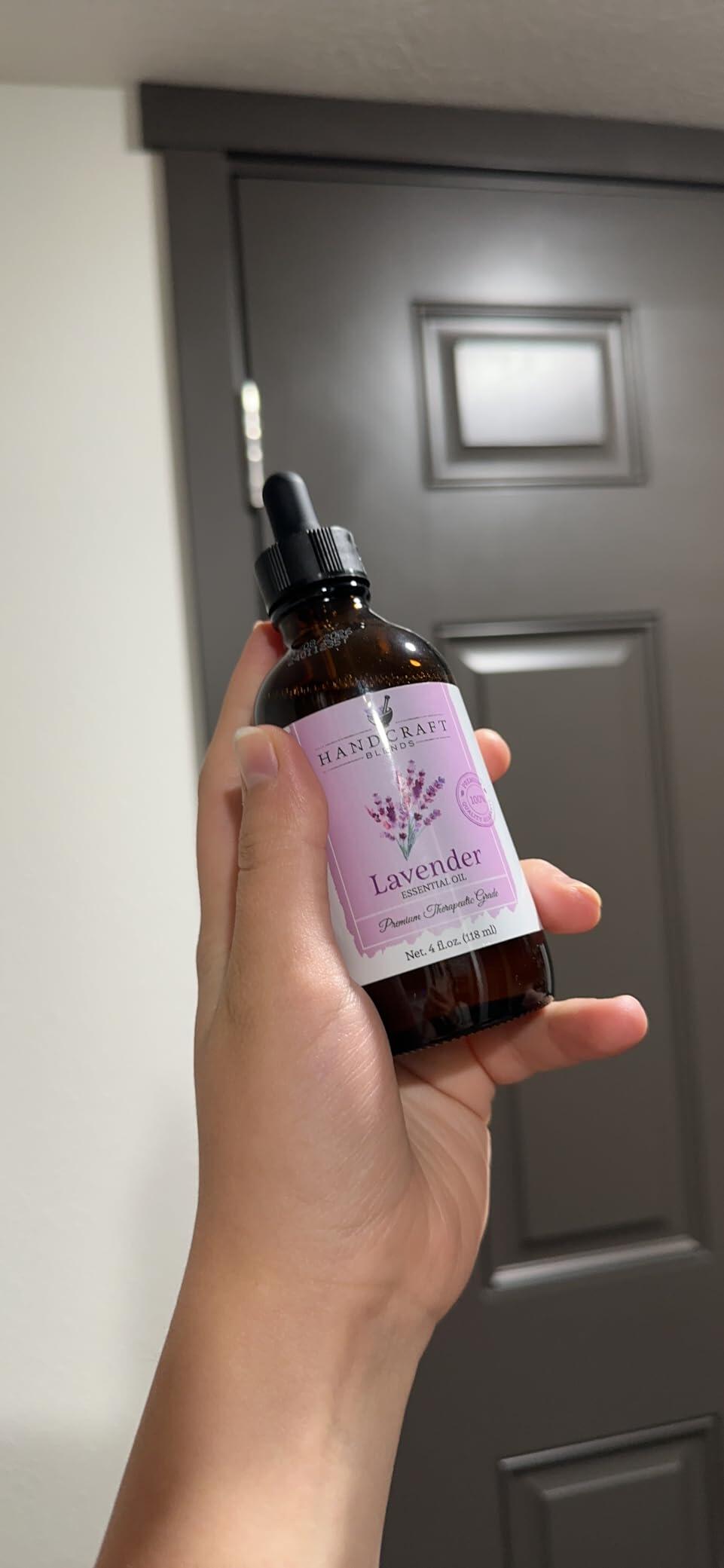
It smelled weird, but I returned it with no complications and I ended up ordering their lavender, which is amazing especially for the size and price thats why Im leaving a five star
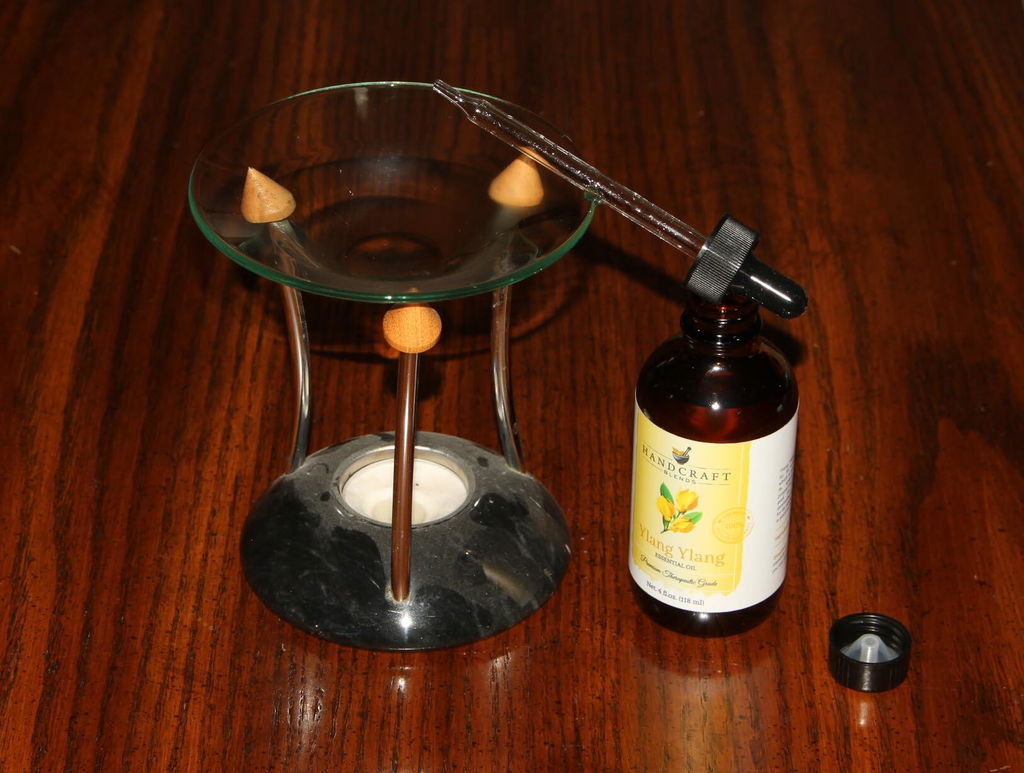
Handcraft Ylang Ylang Essential Oil This is a high quality essential oil. It comes it a nice glass bottle and with an optional glass dropper top. The oil worked well in our burner and produced a very strong floral scent. The oil is said to have aphrodisiac properties, I was hoping to capitalize on this, however my partner disliked the scent. The oil is of high quality, the scent is a very popular with most, and the bottle contains a generous amount of the oil, so, while it won't be use as I had originally planned, perhaps we will use it in making our soaps and candles to sell interested customers. 4 stars! Explaining my rating system: 5 - a superior product - I would recommend 4 - above average a great choice 3 - average what one might generally expect 2 - below average I would advise seeking an alternative 1- Horrible a waste of your valuable money - avoid if at all possible
If you're like us and enjoy using oil diffusers around your home, you will love this deal. It's a huge 4oz. bottle of essential oil, and the scent is Ylang Ylang. If you've never experienced this scent you're in for a treat. Ylang Ylang is unlike any other scent, and truly defies description. You need to smell, and appreciate it. Both my wife I have found that Ylang Ylang is true aroma therapy at it's best. It's so calming, and relaxing. At first we used it in one room only. Ultimately we felt compelled to put it all over our home. You can't go wrong with this bottle of Ylang Ylang. Four ounces of essential oil is a great deal, and this will last for some time. I highly recommend it.
This bottle came in a well packaged box which protected the glass dropper and bottle. I never used Ylang Ylang before so I wasnt sure what to expect. When I sniffed the bottle I was grossed out. It smelled like stinky diaper rash cream. It was so strong. I almost didnt try it in my diffuser because I thought it would make my house smell like medicated cream. I was wrong. I added it with some water into my diffuser and was shocked at how pleasant of a floral scent it put out. Put me in the mood for spring. It has a similar scent to a Jasmine flower so if thats something you like, youll like this too. One full pump of the dropper is roughly 30 drops. Its very potent so a little goes a long way. Add a little at a time till you find the perfect scent strength.
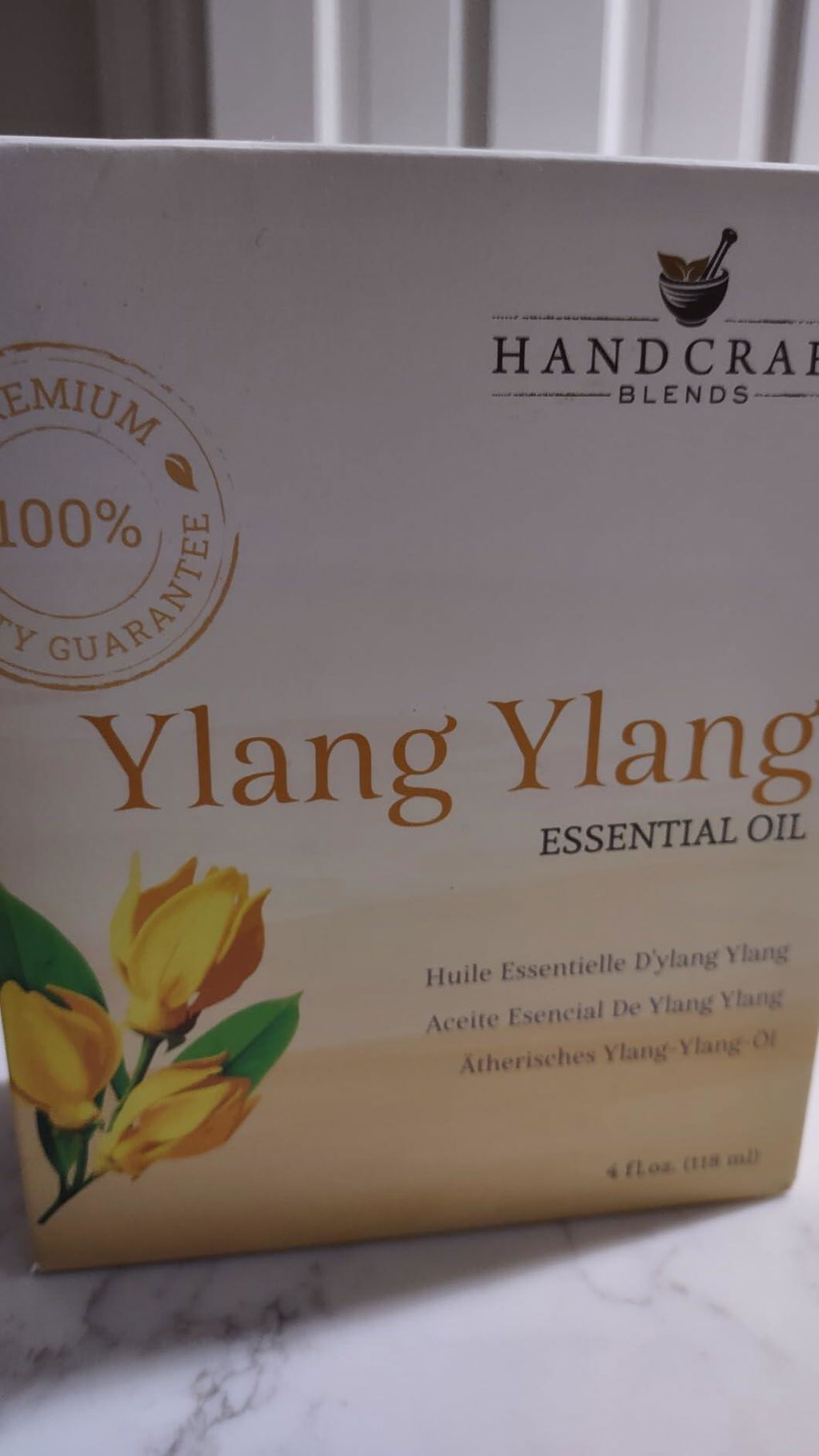
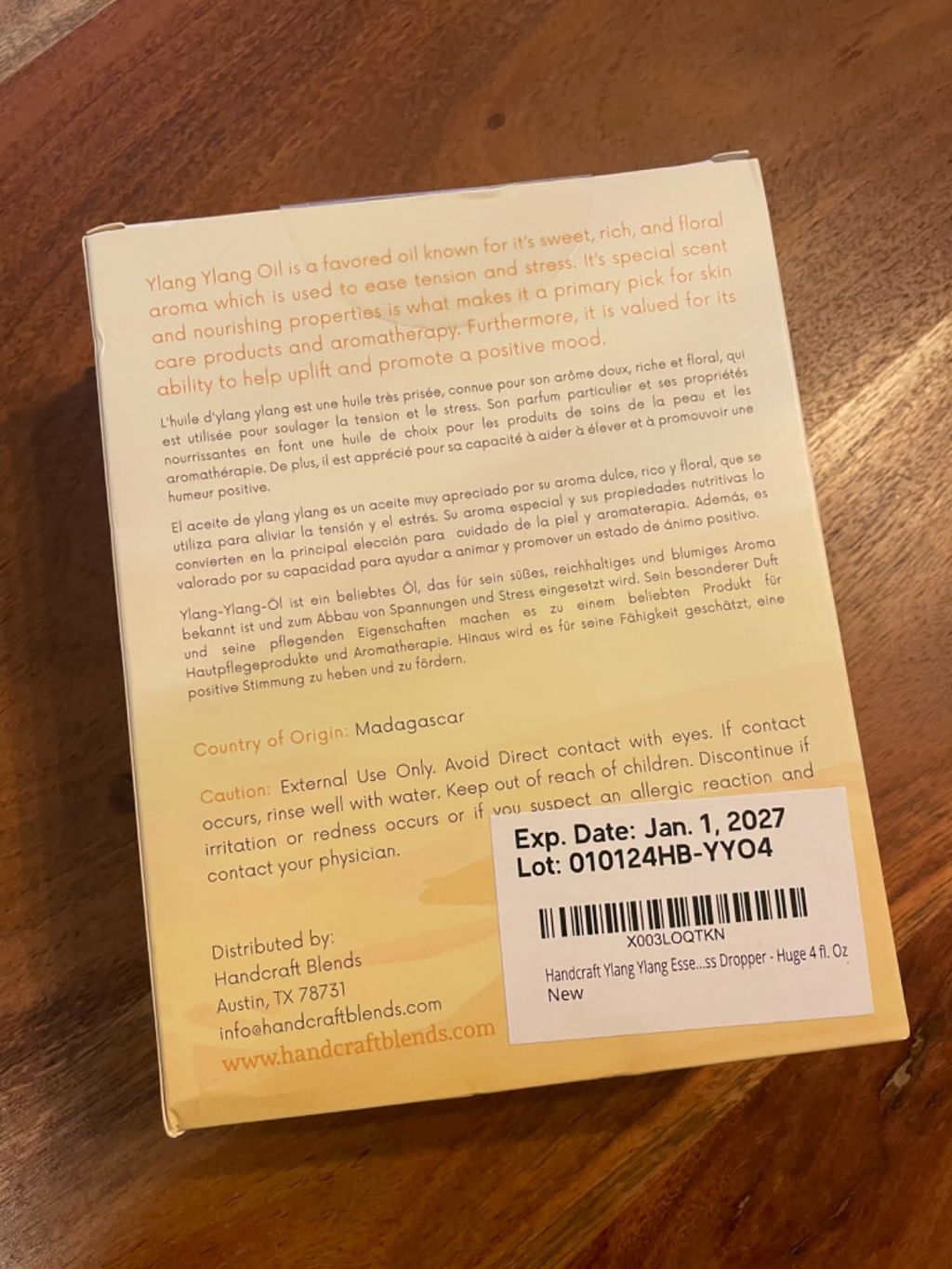
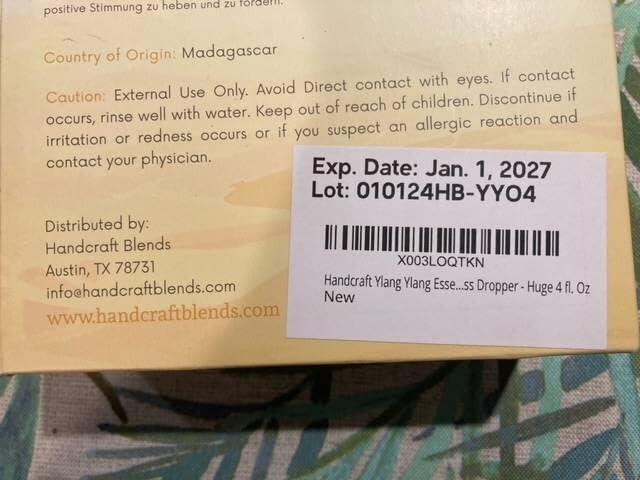
This is a really BIG bottle of Ylang Ylang. The scent is a heavy floral both intoxicating and relaxing. This scent usually doesnt require a large percentage in a blend so the bottle should last for years. I like seeing the product includes the expiration date on the box and Ill just need to transfer to the bottle. Generally Ylang Ylang has a shelf life of approximately 5 years, sometimes longer depending on storage, so Im very pleased with the dating of the lot I received. There is a lingering note in the background Im not use to smelling in Ylang Ylang. Not sure if its from processing. I made a couple of scents blends that had 30 of Ylang Ylang to see if the note is still lingering or if it dropped to the back and wouldnt be noticeable. When combined with 40 of another EO that is a top-middle note the lingering note from the Ylang Ylang was still there but pushed further back. When combined with 30 of another EO that was a middle note only I didnt notice the lingering note at all. Most of the scent blends I make dont use such a high percentage of Ylang Ylang so in my regular blends with a lower percentage Im not expecting the lingering note to be noticeable. The packaging was excellent and arrived in perfect condition. A glass dropper is included which is appreciated because little dropper caps drive me nuts. The distributor also includes an instruction card to sign up for a future discount, discounts and some DIY recipes. All in all a great value.
I love the scent of this essential oil. It is one of my favorites. It is floral in a good way. And it goes well with lavender. And this is a big bottle so it will last a while. It comes with a dropper for easy dispensing and it works great in my diffuser. I like the scent of this oil so much that I am going to make some massage oil with it. And maybe some lotion bars too.
Best essential oil. The lemongrass scent is everything! On my second bottle.
Excelente , huele delicioso
Love the quality. Mix one drop with another carries, rise hip oil.
This brand was great.
Good.
My mom loved it! It smelled exactly like her previous bottles from a different compay.
Smells good , I love it .
Very nice scent. Long lasting.
Awesome product and great smell. Every single one should try this product
Smells amazing
Nice deal, you get quite a bit for a decent price. I love that it comes with a lid but also a few droppers as well. I like to use this to cover up the castor oil smell in my homemade hair oil blend and this oil is definitely 100 ylang Ylang, it smells so strongly of it that I have to be careful how much I use or else the smell quickly becomes overwhelming.
This oil works great in my diffuser. The scent is good to relieve tension and stress.
This is the main scent in my mixed oil diffuser. Love it.
I like the Ylang Ylang scent, which is floral but delicate and interesting. I've only use it in a diffuser but wouldn't hesitate to add to another carrier oil for cosmetic purposes. Essential oils are new to me, as I've never used aromatherapy or oils for therapeutic purposes, but I'm curious to learn more and try other scents from this producer. The quality seems good, and I appreciate having the product independently tested and bottled in the USA.
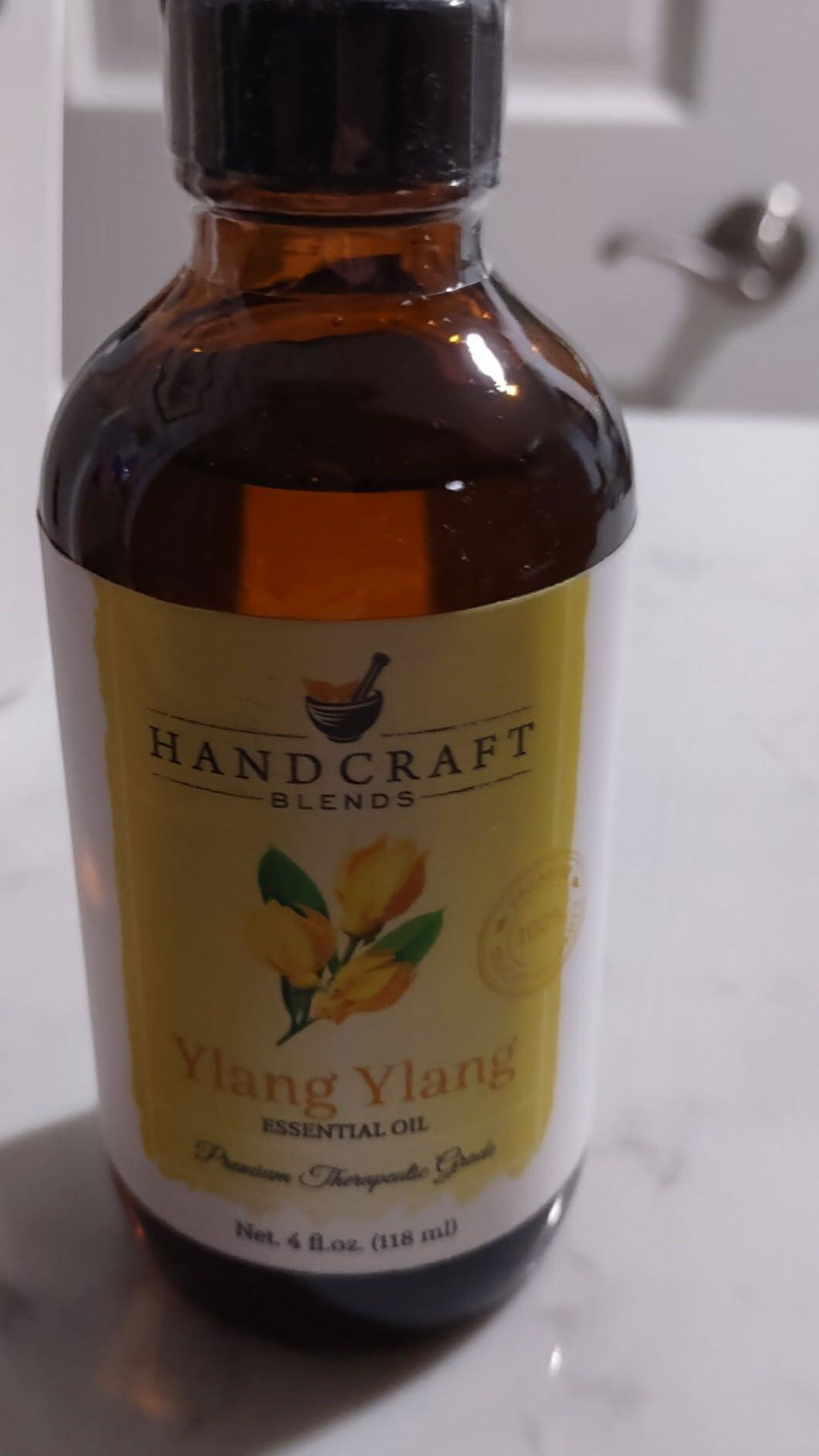
I have always loved the fragrance of Ylang Ylang, it appears as a base note in several of my favorite perfumes. This essential oil is sourced directly from Madagascar. The generously sized 4-ounce glass bottle with an eye dropper dispenser arrived securely packaged and bears an expiration date of January 2027. I have been using it this winter in my hand and body lotion, the fragrance is very long-lasting. This is a high-end, quality product and am happy to be able to recommend!
We found the Ylang Ylang smell to be distasteful. It may be more to your liking. The quality of the oil seems fine. It doesn't have a cheap presentation or lack in quality.
My family and I love using ylang ylang for making perfumes and skin products and are glad we stumbled upon this marvelous brand! The oil we tried came in an enormous bottle that caame with an easy-use dropper, with the bottle itself tinted dark to keep the oil from oxidizing and going stale. The oil quality was high and the aroma was exactly as high quality, authentic ylang ylang should be! PROS: Quality Bottle: The glass bottle on our 4 oz product was thick and durable, not flimsy at all, and darkly tinted for optimum storage life. The bottle was well packed in a box with plenty of cushioning board and did not leak during transit. The bottle also came with a dropper that made mesuring easy; the dropper fit well with the bottle and was equally of a dark tint. There was no air leakage or dribbling. Genuine Top Notch Product: This ylang ylang essential oil was 100 genuine and at a fantastic price. Real ylang ylang smells like a cross of heady night flowers on a field of slightly molten rubber. Most fake product emphasize the boldness of the floral smell while downplaying the natrual rubbery scent of natrual ylang ylang, a surefire way to know when a product is fake. Real ylang ylang is floral-rubbery, sweet on the nose, warm in scent, and very strong. A few drops is enough when added to a carrier oil or other base. More and the rubbery scent will be overpowering. CONS: - Bold Fragrance: Not much a con, but a warning to those new to using ylang ylang. This oil is strong and is the real deal! It is easy to add too much and have the fragrance be overpowering, causing your end product to smell like a put of burning rubber. A little goes a long way.
Good quality oil smells so good I use a little in my diffuser or a little on a cotton ball and place it in the vents of my AC. I like to mix my oils and have my house smelling nice this is going to last me a long time, its summer and spring scent that my family really likes.
I use a lot of oil and usually buy base oil in bulk and mix my own scented oil in small bottles. Floral or fruity scent are my favorite. This Ylang Ylang oil smells divine even after diluted. I only use a few droppers for my small bottle mix because I don't use strong scented oil. So this large bottle will last a while. A great oil that's pure and natural. I really like it.