


Bergamot essential oil is one of those scents that people recognize emotionally before they can name it. It’s citrus, but not the bright “lemon zest” kind—bergamot feels smoother, more elegant, and slightly mysterious. If you’ve ever noticed that distinctive aroma in Earl Grey tea, you already know the vibe: fresh and uplifting, yet softly complex, with a gentle floral edge that makes it feel instantly elevated.
What makes bergamot so addictive is that it doesn’t sit in one lane. It can feel bright and clean, but also warm and cozy depending on the context—like a scent that can dress up or dress down. There’s a refined, almost airy sweetness that keeps it from feeling too sharp, and a subtle depth that makes you want to keep smelling it. If you’re building a collection that feels “grown-up” without being heavy, bergamot is often the oil that quietly becomes the favorite.
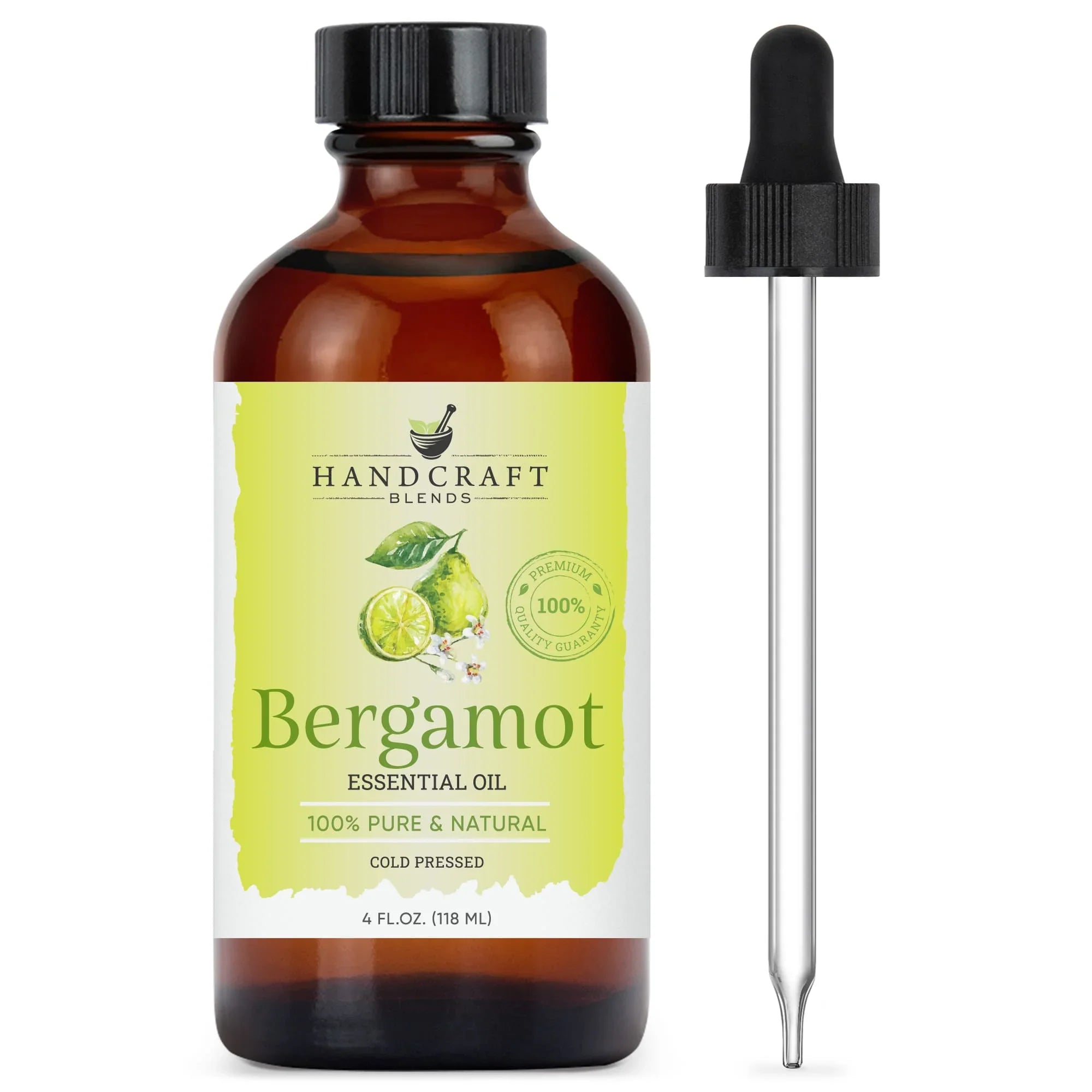
Bergamot is also famous for how easily it layers with other aromas. It can brighten florals, soften sharper citruses, and make herbal or woodsy notes feel more polished. That’s why it’s such a staple in fragrance culture—bergamot has a way of making blends feel more “finished,” like the difference between a simple scent and a signature scent. Even on its own, it can create a clean, refined atmosphere that feels both modern and timeless.
If you’re shopping for a citrus that feels less obvious and more sophisticated, bergamot is a great place to start. It’s the kind of oil that works across seasons, spaces, and moods—fresh enough for daytime, soft enough for evenings, and always a little bit special. Explore Bergamot Essential Oil to experience that signature “Earl Grey” note and see why so many people consider it one of the most irresistibly re-smellable citrus oils.


